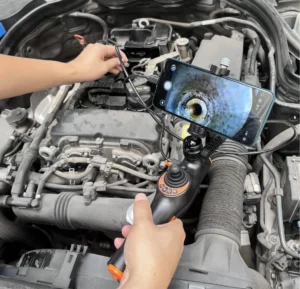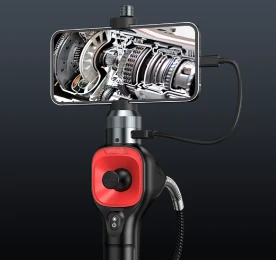

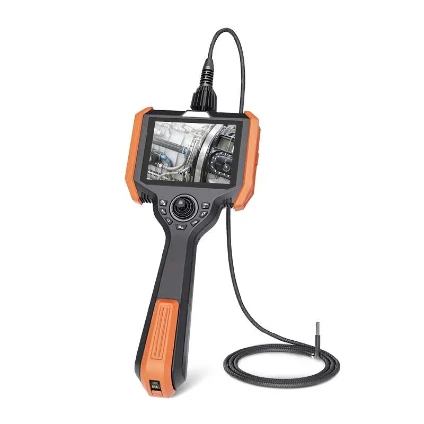
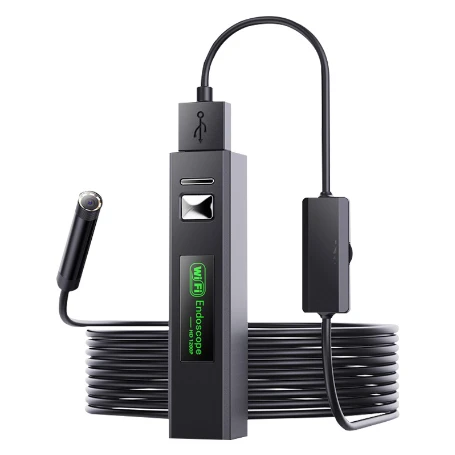
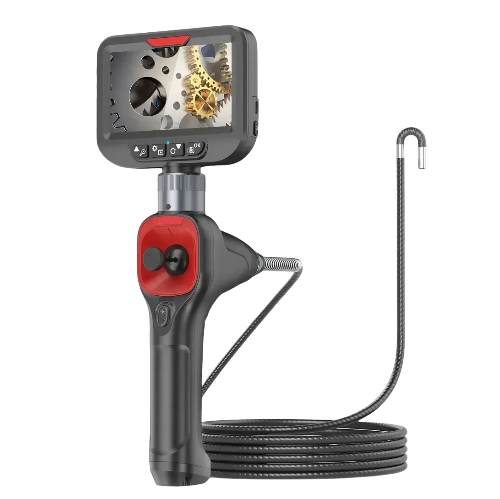
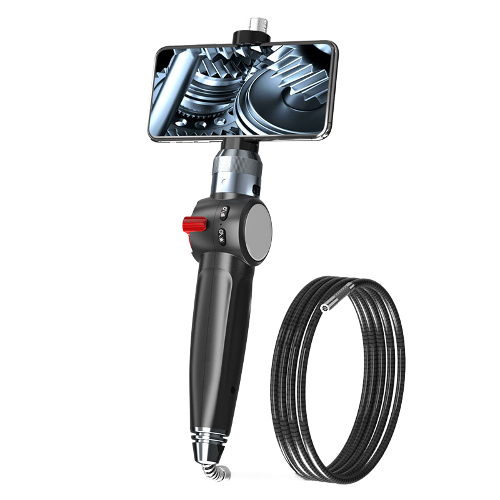
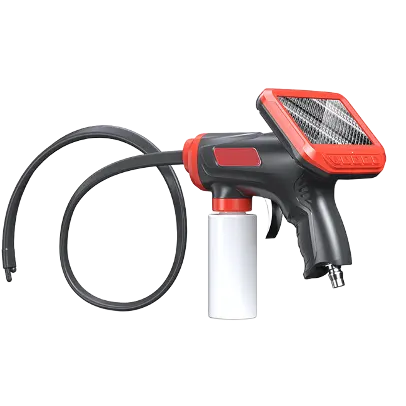
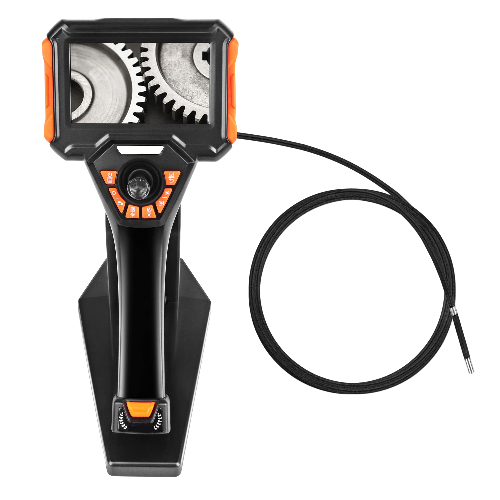
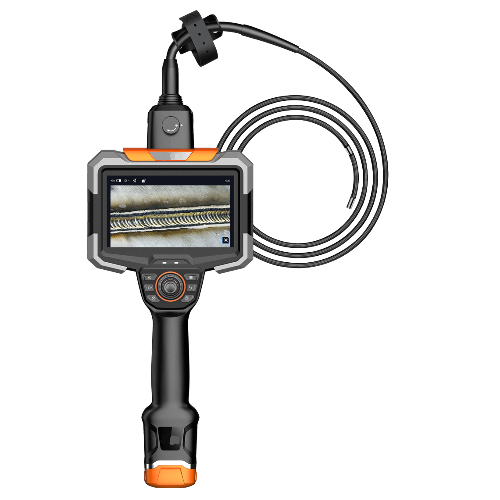
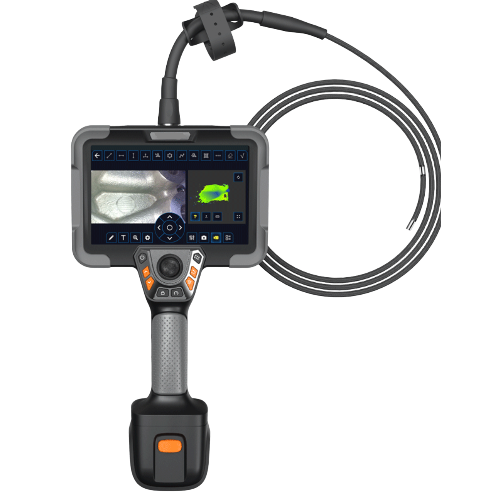
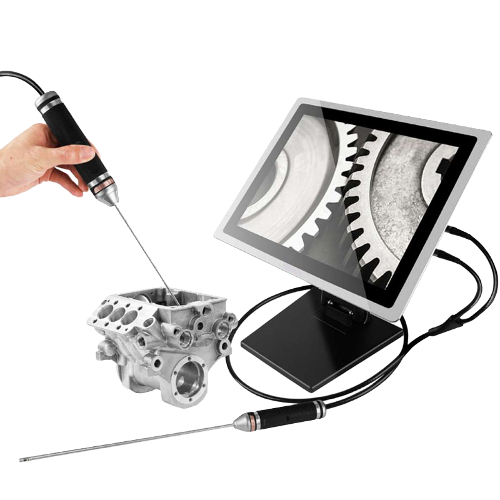
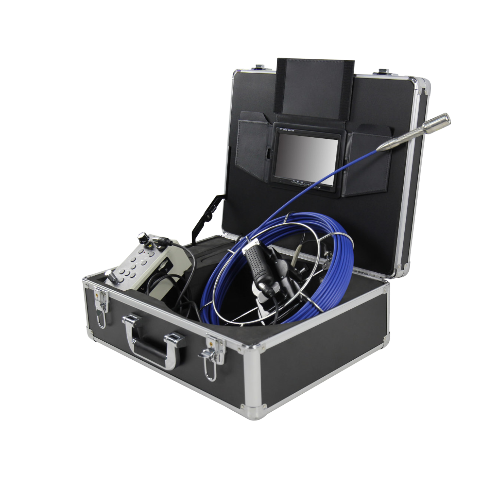
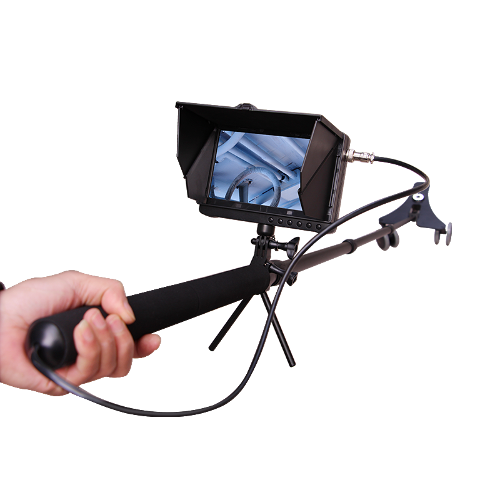
Rigid borescopes are core precision non-destructive testing equipment for high-end manufacturing. Driven by the booming development of aerospace, semiconductors, hydrogen energy and other precision industries, their technical iteration speed keeps accelerating. The whole industry is advancing along five major directions: ultra-high-definition imaging, AI intelligent inspection, miniaturized long rigid shafts, universal modular architecture, and innovative “Hardware + Service + Data” business mode, stepping into a brand-new phase of high-quality industrial development.
Upgrade to Ultra-High-Definition Imaging Technology
p>High-end manufacturing sectors including aerospace, semiconductor and hydrogen energy continuously raise stricter standards for inspection imaging precision, making ultra-high-resolution imaging a top priority technical trend. Though conventional rigid borescopes deliver relatively clear pictures, they still have obvious limits in capturing micro-scale subtle defects. In the future, 4K and even 8K miniature image sensors will be widely embedded into rigid probe tips. Combined with high-brightness adjustable LED cold light sources and self-adaptive image enhancement algorithms, the equipment can distinctly display tiny internal flaws such as micro-cracks, machining burrs and corrosion pits, greatly boosting the accuracy of microscopic defect identification.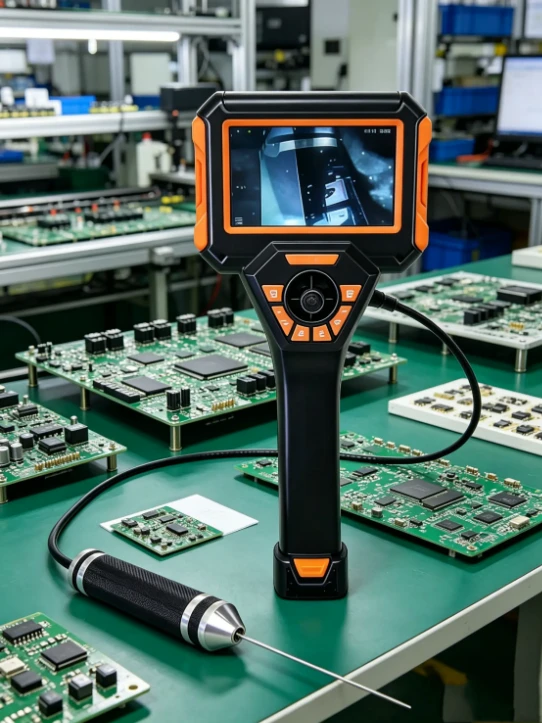
Deep AI Integration to Realize Fully Intelligent Inspection
Artificial intelligence technology is comprehensively penetrating all links of industrial visual inspection, including rigid borescope systems. The mainstream evolution direction is embedding lightweight AI reasoning models into inspection mainframes or edge computing modules, supporting real-time automatic defect classification, intelligent dimensional quantification and abnormal risk alarm during on-site detection. Especially for mass repetitive batch inspection workflows, AI functions effectively eliminate subjective judgment errors caused by human fatigue, unify inspection standards and drastically lift overall inspection consistency and working efficiency.
Dual Iteration: Miniaturized Diameter & Extended Rigid Shaft Length
As the internal structure of precision components becomes more compact and intricate, the outer diameter of rigid borescope shafts will keep shrinking. Ultra-fine rigid shafts below 2mm can smoothly access ultra-narrow confined spaces such as semiconductor wafer micro-grooves, hydrogen fuel cell bipolar plate flow channels and tiny gaps of aero-engine turbine blades, breaking the access limits of traditional standard-diameter rigid borescopes. Meanwhile, for deep-hole inspection scenarios, over-1-meter stainless steel long rigid shafts will receive continuous structural optimization design, expanding maximum detectable depth while maintaining stable rigidity and consistent high-definition imaging quality.
Universal Modular Design to Boost Cross-Scenario Adaptability
To match diversified and changeable industrial inspection demands, rigid borescopes will fully adopt standardized modular architecture. Users can quickly replace rigid shafts of different diameters and lengths according to on-site working conditions, and the main control system achieves seamless compatibility with portable handheld displays and large desktop industrial monitors. This modular scheme not only cuts enterprise one-time equipment procurement cost, but also remarkably improves the equipment’s versatility across multiple inspection scenes, reducing the total number of devices enterprises need to deploy.
Business Model Transformation to “Hardware + Service + Data” Ecosystem
Under the background of industrial inspection digital and intelligent transformation, the profit logic of rigid borescope manufacturers is undergoing fundamental reconstruction. The single traditional hardware sales model is gradually declining, while innovative service-oriented modes represented by IaaS (Inspection as a Service) and EaaS (Equipment as a Service) centered on integrated hardware, technical service and data operation are developing rapidly and becoming new core profit growth engines for the industry.
Future Outlook
In the long run, rigid borescopes will evolve from simple visual observation tools into all-in-one intelligent inspection terminals with built-in AI analysis and full-lifecycle data service capacity. With the large-scale industrial application of ultra-high-definition optical imaging, edge computing and modular interchangeable hardware, their adaptability to high-precision and complex detection environments will keep improving continuously. At the same time, the popularization of IaaS and EaaS service modes will shift industrial inspection from one-off equipment procurement to long-term sustainable value co-creation, injecting efficient digital driving force into the full-process quality assurance system of all manufacturing industries.