
Overview
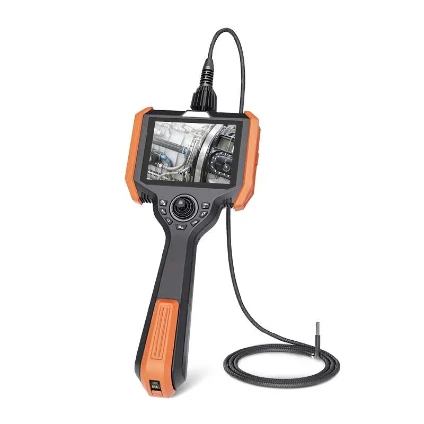
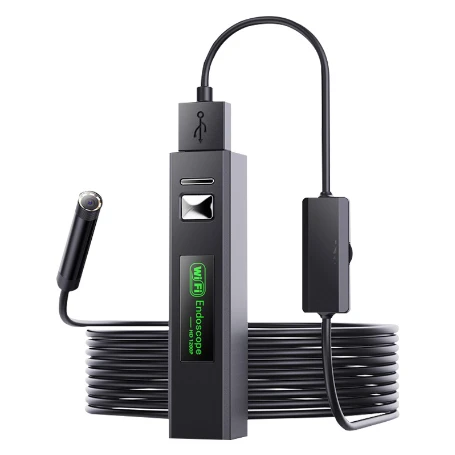
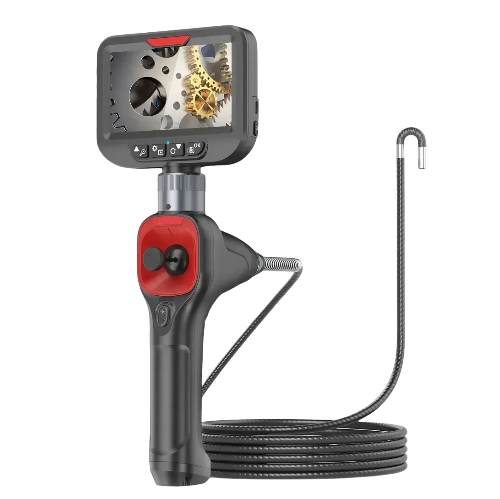
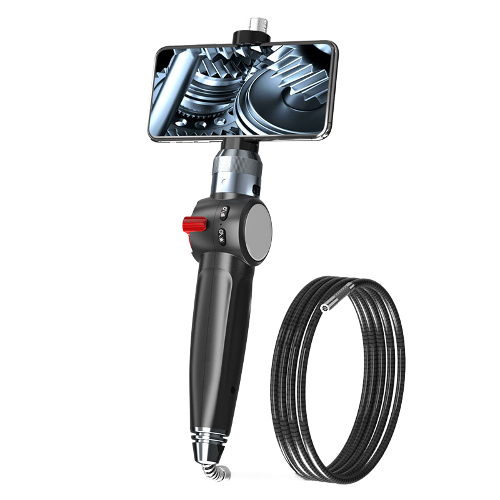
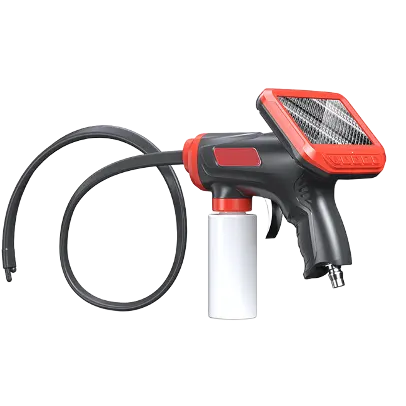
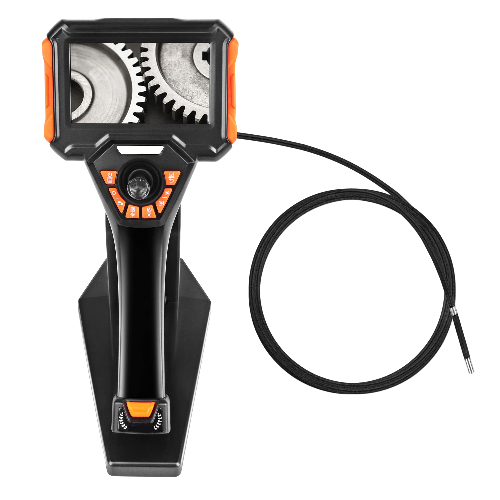
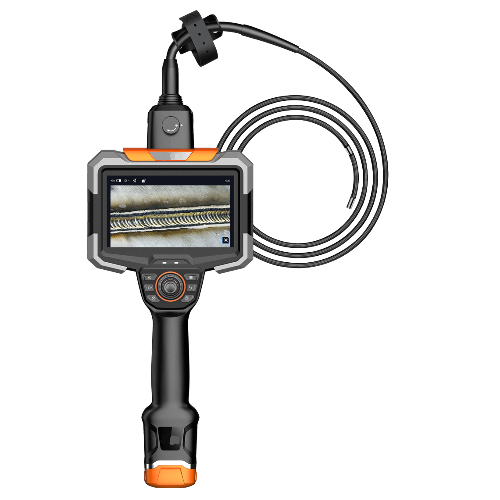
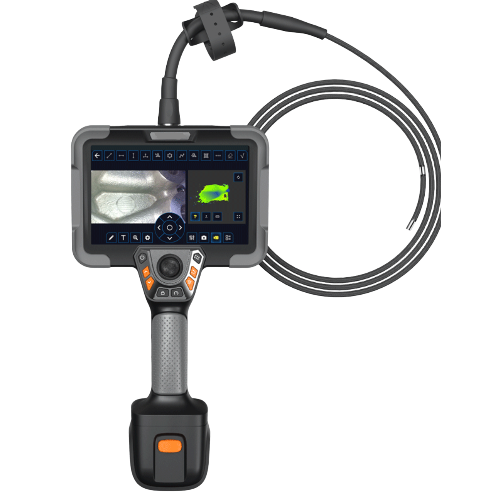
As advanced non-destructive testing equipment, electrically controlled 3D measurement endoscopes break the limitation of simple visual check of traditional HD borescopes. They realize accurate quantitative measurement on crack length, corrosion area, wear depth and other defect parameters. Supported by 3D modeling and high-precision measurement algorithms, the equipment provides reliable data basis for quality inspection, equipment condition evaluation and maintenance decision-making across multiple industries, and has become indispensable inspection equipment for modern industrial systems.
Aerospace Industry: Guarantee Flight Safety & Operational Reliability
Aerospace products require ultra-high inspection precision closely linked to flight safety, where motorized 3D measurement endoscopes are widely deployed:
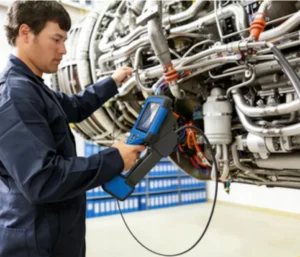
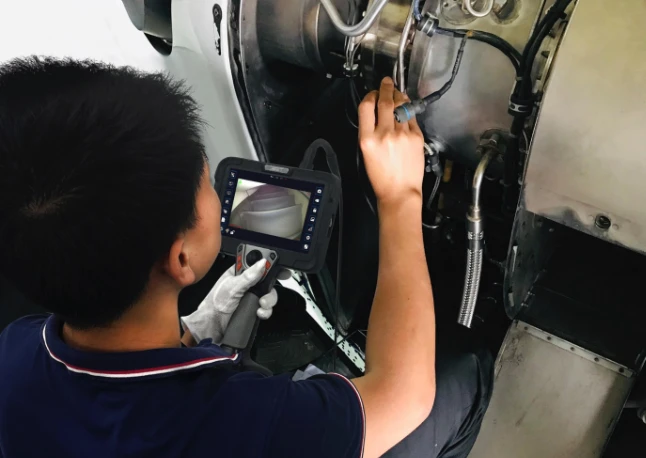
Aero-engine Inspection: Complete micron-level quantitative detection on high-pressure turbine blade crack depth, blade abrasion, coating thickness and internal assembly clearance, supplying quantified data for damage evaluation and targeted overhaul. A typical case: one aviation maintenance team applied 3D modeling to locate a turbine blade crack with 1.2mm depth and 4.8mm length; targeted repair replaced full blade replacement, saving over 100,000 RMB per piece and cutting repair period by three days.
Airframe Maintenance: Carry out 3D size measurement and defect analysis on fuselage inner structure, welding seams and hydraulic pipelines to discover fatigue crack, corrosion and assembly offset in advance for flight safety guarantee.
Energy & Power Industry: Realize Precise Operation and Full Lifecycle Management
Facilities in oil & gas and power sectors run under high-temperature, high-pressure and corrosive harsh environments; regular precise inspection effectively avoids safety accidents and extends service life.
Turbine & Generator Inspection: 3D quantitative analysis on steam turbine blade wear and rotor deformation helps realize scientific maintenance and avoids excessive or insufficient maintenance.
Pipeline & Storage Tank Inspection: Measure corrosion pit depth and area on inner pipe wall, verify weld quality and deformation, early warn leakage risk and support repair or replacement plan formulation.
Nuclear & New-energy Equipment: High-precision measurement inside confined space of nuclear piping and wind turbine gearbox ensures safe running of core energy equipment.
Defense & High-end Equipment Manufacturing: Strict Incoming & Process Quality Control
Military products and high-end mechanical equipment have strict standards for machining dimension and assembly precision, with 3D measuring endoscopes serving core QC and acceptance work.
Military Production QC: Measure weld size of missile shell, analyze naval pipeline deformation and check machining error of armored components to finish precise dimensional acceptance of weapon parts.
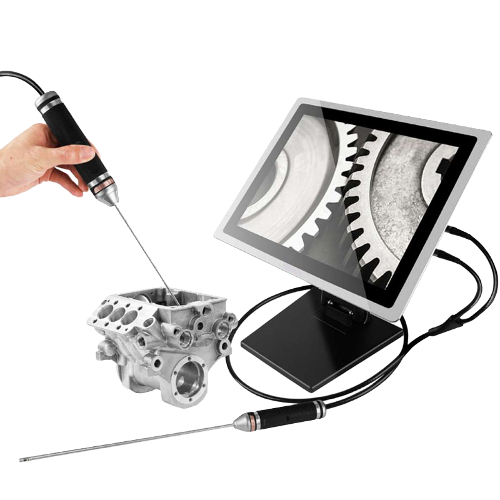
High-end Equipment Acceptance: Detect gear meshing clearance, valve runner dimension and pump impeller eccentricity to control assembly precision and stable performance of precision machinery.
Automotive Manufacturing: Upgrade Product Quality & Production Efficiency
Tiny hidden defects of auto components will affect vehicle safety and driving performance.
Powertrain Inspection: Quantify cylinder liner wear, piston crack depth and transmission gear tooth abrasion, with measurable accuracy up to 0.3mm to trace batch production defects. An auto manufacturer found 0.3mm gear wear via 3D measurement, located abnormal machining equipment and avoided over 2 million RMB mass production loss.
Exhaust & Fuel System: Check weld crack and corrosion of exhaust pipe and test tightness of fuel pipelines.
Body & Chassis: Internal dimension measurement and assembly status check for complex structural parts to guarantee processing precision and vehicle safety.
Precision Machinery, Electronic & Medical Device Industry: Micron-level Quality Control
For mold processing, precision component, electronic and medical industries, microscopic defects invisible to naked eyes can be captured by 3D measuring endoscopes.
Mold & Precision Parts: Measure micro-crack on mold surface and check assembly clearance & geometric tolerance of finished parts.
Electronic Components: Detect solder joint quality and micro connection integrity of circuit boards.
Medical Device Production: Dimension verification and surface defect inspection for implant and endoscope inner structure to meet medical industry compliance standards.
General Industrial Equipment Maintenance: Rapid Fault Diagnosis & Predictive Maintenance
Widely used in heavy industry, construction machinery and rail transit maintenance for fast fault localization.
Rotating Key Parts: Quantitative detection of internal crack and wear of bearing, gear and transmission shaft.
Closed Equipment Inspection: Access interior of compressor, pump, valve and heat exchanger to evaluate corrosion, scaling and mechanical damage, supporting predictive maintenance formulation.
Conclusion
Benefiting from 3D visualization, high-precision measurement and non-destructive detection features, electrically controlled 3D measurement endoscopes become core industrial inspection instruments. Quantitative measured data improves defect identification accuracy and provides data support for quality control, maintenance decision and full-lifecycle management, helping enterprises cut cost, boost efficiency and eliminate potential safety hazards. With continuous development of intelligent manufacturing, its application fields and depth will keep expanding and lay solid technical support for high-quality development of modern industry.