
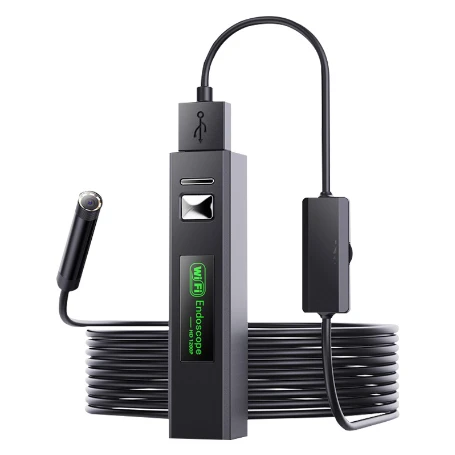
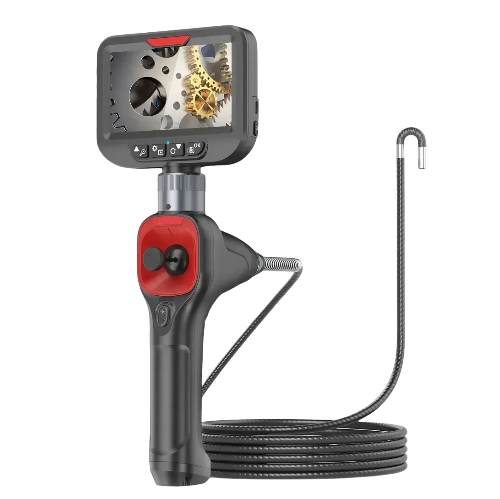
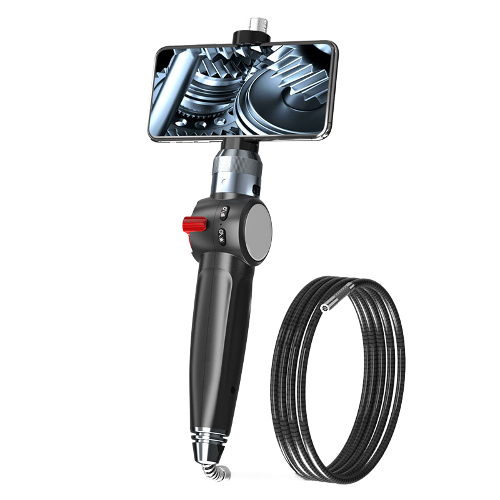
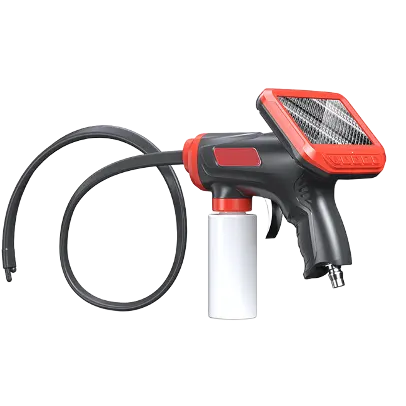
What is a Telescopic Camera?
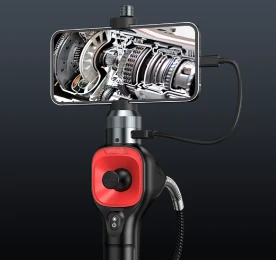
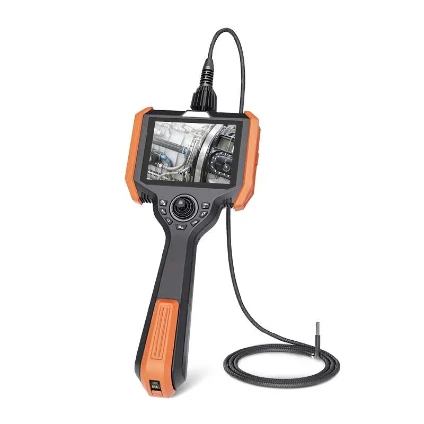
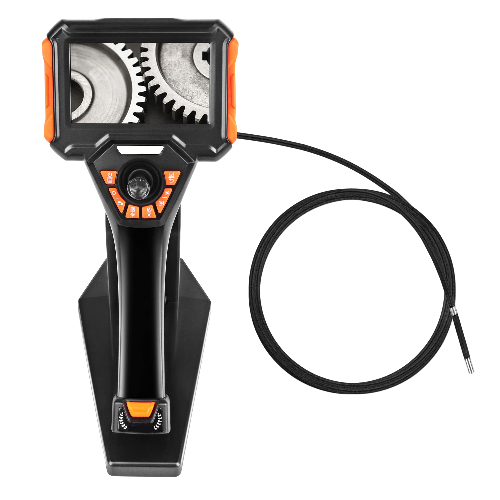
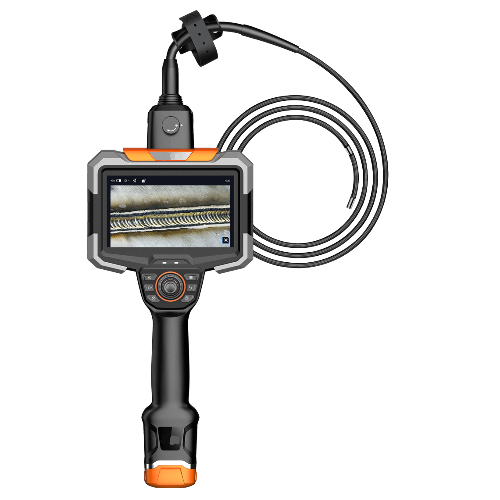
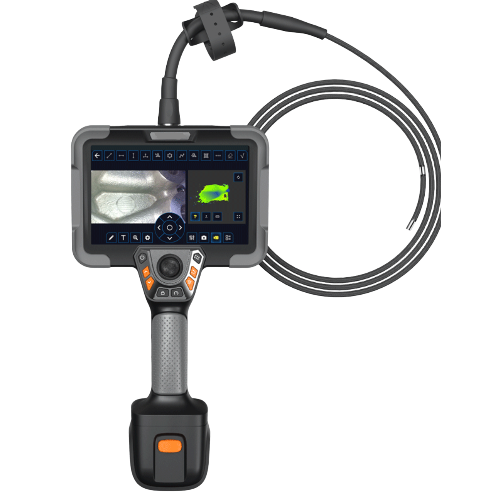
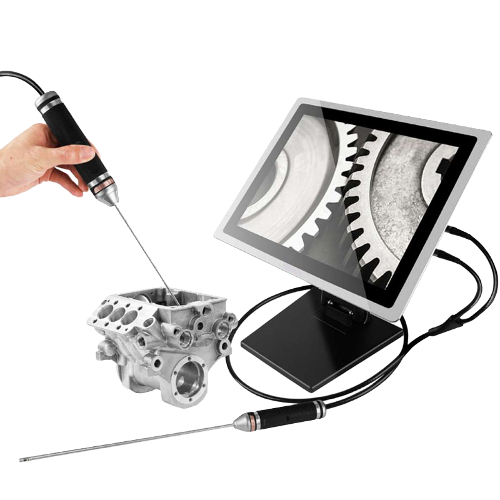
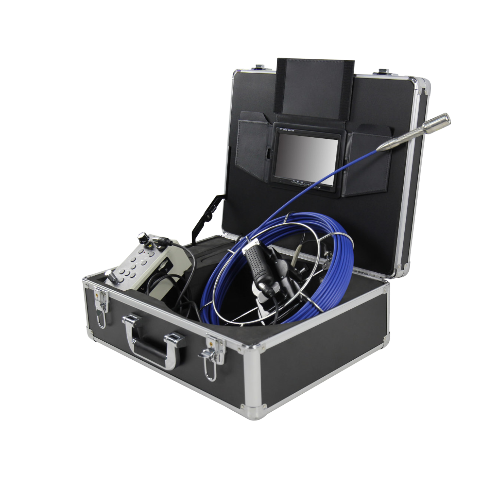
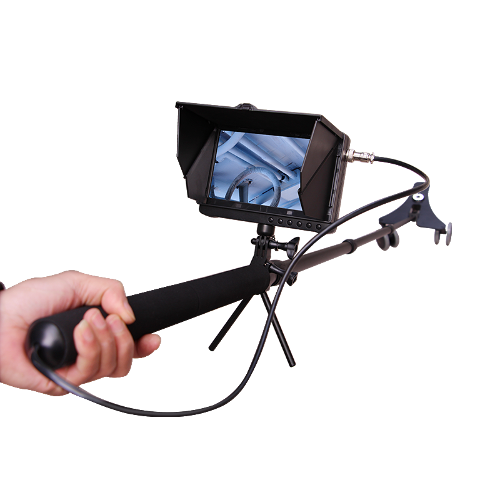
A telescopic camera (also commonly referred to in the industry as a telescopic tank scope or a multi-angle folding inspection mirror) is a vital member of the industrial borescope family. Simply put, it is a portable visual inspection tool that integrates a high-definition camera, an extendable support pole, and a real-time display screen.
Its primary purpose is to act as a “vision extension” for maintenance personnel. By adjusting the pole length and the camera angle, it allows you to easily observe hidden areas that are impossible to see with the naked eye, such as high-ceiling interiors, deep pipelines, or narrow gaps in a vehicle’s undercarriage.
Key Components of a Telescopic Camera
The telescopic camera features a modular design for a clear structure and rapid assembly or disassembly:
Lightweight Telescopic Pole
Usually made of aluminum alloy or carbon fiber, these poles typically range from 10 to 16 feet (3–5 meters). They are compact when retracted for easy portability and versatile when extended for various distance requirements.
HD Imaging Probe
Equipped with high-resolution sensors, the probe supports wide-angle shots of 120° or more. These probes often feature motorized rotation (360° horizontal / 270° vertical), with options for infrared thermal imaging or two-way audio lenses.
Smart Lighting System
High-brightness LED fill lights ensure clear imaging even in pitch-black environments. Some models also support infrared auxiliary lighting.
Main Console & Interface
Industrial-grade devices typically feature 7 to 10-inch widescreen displays with image processing, photo, and video recording capabilities. They also include HDMI ports for connecting to larger external monitors.
Battery Life & Accessories
Built-in high-capacity lithium batteries support long hours of continuous operation. For security needs, the base is often equipped with swivel casters for easy maneuvering.
Core Advantages of a Telescopic Camera
Often called an “inspection miracle tool,” this device solves several major challenges found in traditional inspections:
Overcoming Space Constraints: For “small entry, large interior” spaces where humans cannot enter, the probe can easily navigate deep inside.
Long-Distance Reach: With a lightweight, extra-long pole camera, you can achieve precision detection at great heights or depths without the need for scaffolding or ladders.
Zero Blind Spots: Combining zoom lenses with a flexible rotating probe ensures that even micron-level cracks and corrosion have nowhere to hide.
Safe and Efficient: There is no need to disassemble equipment or send personnel into hazardous areas, significantly increasing inspection efficiency while reducing operational risks.
Application Scenarios
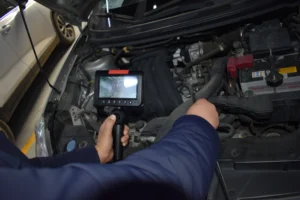
Vehicle Maintenance & Security: Quickly inspect vehicle chassis, suspension systems, and EV battery packs. In security sectors, it is used to check vehicles for contraband.
Industrial Boilers & Containers: Access narrow inspection ports to check for weld seams, corrosion, or foreign objects inside boiler walls.
Construction & Municipal Engineering: Locate leaks in drop ceilings, inspect HVAC ductwork, or detect wear and blockages in bridge bearings and tunnel drainage pipes.
Warehouse & Logistics: Monitor the status of goods deep inside or high up in shipping containers without having to unload.
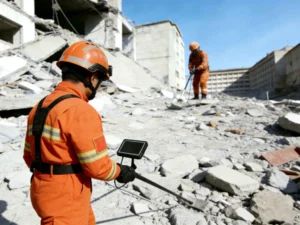
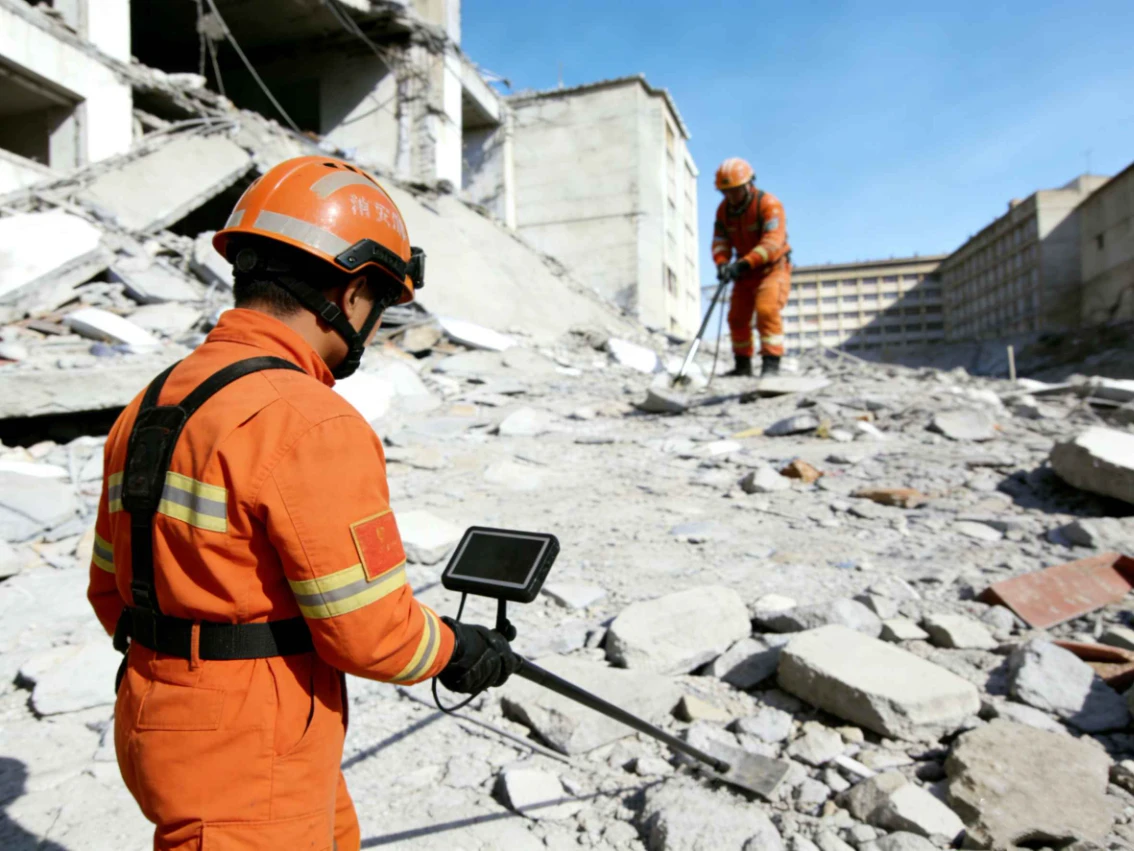
Emergency Search & Rescue: Search for signs of life in earthquake ruins while assessing structural safety; also used for covert “around-the-corner” observation in tactical counter-terrorism missions.
Added Value: Real-World Performance Boosts
Ensuring Operational Safety: By eliminating the need for personnel to enter oxygen-deficient, high-altitude, or high-voltage environments, it achieves true “contactless” inspection.
Reducing Total Costs: It cuts expenses on auxiliary equipment like scaffolding or lifts. A single operator can complete the task, shortening equipment downtime.
Ensuring Data Accuracy: HD imagery provides objective, scientific evidence for equipment repair and risk assessment, preventing “over-repairing” or missed defects.
Versatility Across Industries: From agricultural pest detection to railway bridge inspections, its wide adaptability provides upgrade solutions for various sectors.
Buyer’s Guide: How to Choose the Right Equipment
When purchasing, parameter configurations should be decided based on your actual operating environment:
Pole Material: If you frequently need to extend beyond 13 feet (4 meters), choose carbon fiber (lighter and more stable). For routine inspections under 10 feet (3 meters), aluminum alloy is more cost-effective.
Imaging Performance: Look for an IP67 or higher waterproof rating and a 120° wide-angle lens. For low-light rescue operations, ensure the lens includes infrared capabilities.
User Interface: The screen should have a sunshade for clear viewing in outdoor sunlight. Features should include “one-touch” recording and photo buttons for simple operation.
Battery Capacity: Choose high-energy lithium batteries to ensure the device can run for several hours per mission, preventing power loss in the middle of a job.
Future Trends for Telescopic Cameras
As technology advances, the telescopic camera is evolving into a smart diagnostic system:
Lighter and Stronger: Advanced composite materials will make long-reach operations even more effortless.
AI Smart Diagnostics: Integrated AI algorithms will automatically identify defects like rust and cracks, providing real-time alerts to inspectors.
Multi-Sensor Integration: Future probes may integrate thickness gauges and gas sensors, creating an “all-in-one” detection tool.
Digital Management: Combined with 5G technology, live feeds can be streamed to the cloud, allowing experts to provide remote guidance from the home office.
Conclusion
A telescopic camera is more than just a visual extension tool—it is a core asset for precision maintenance in modern industry. By choosing the right equipment and using the right tools, you ensure that no hidden danger goes unnoticed.