
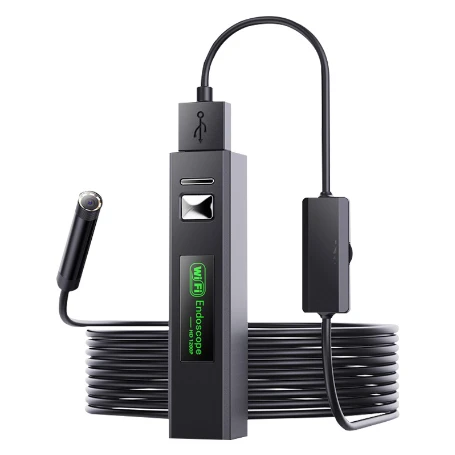
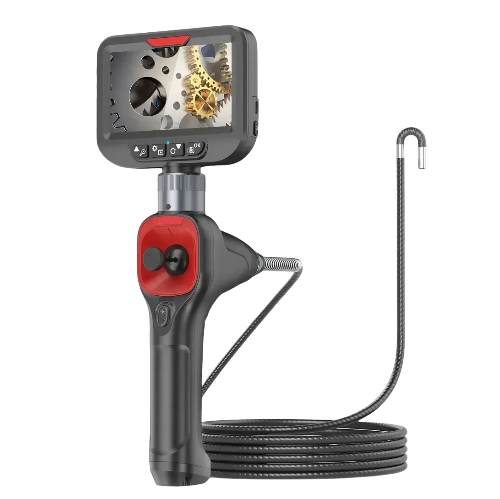
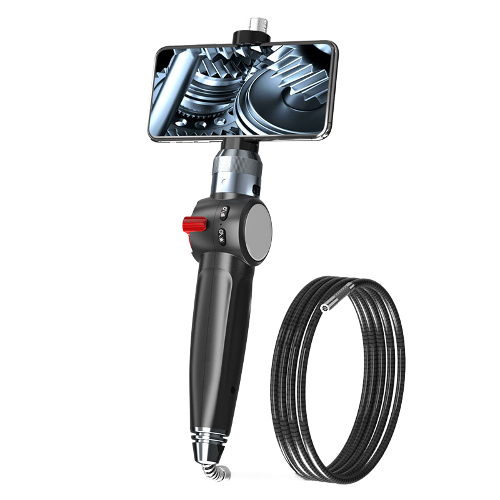
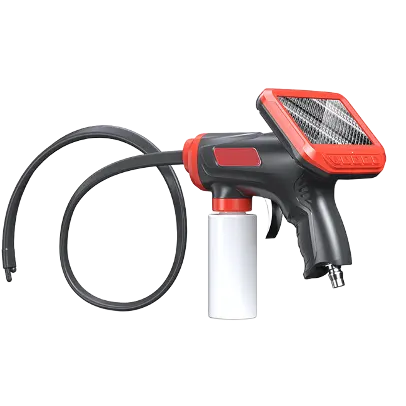
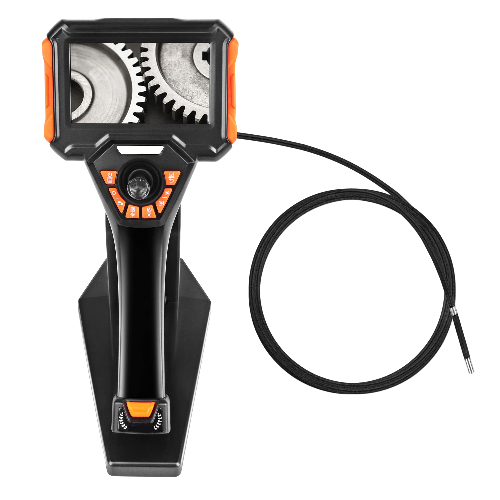
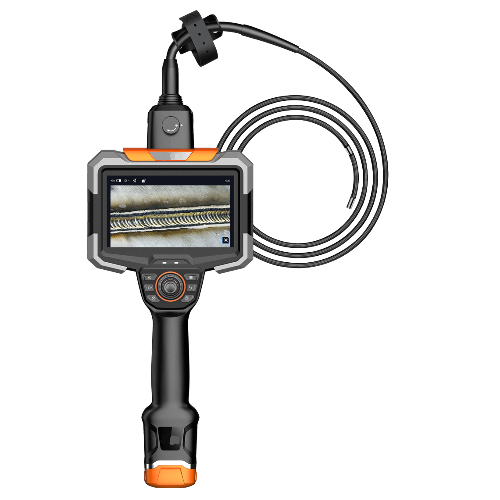
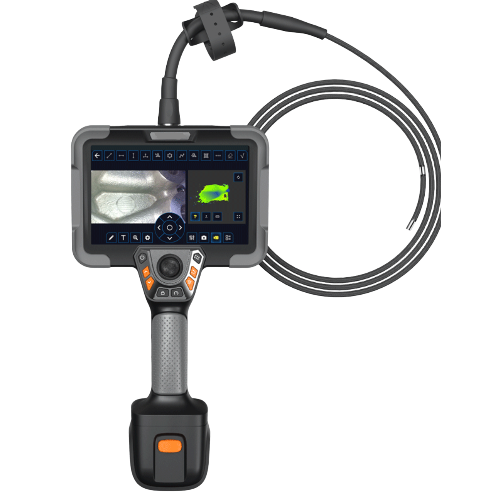
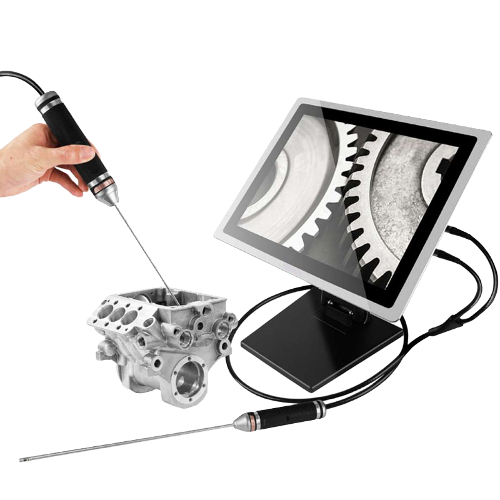
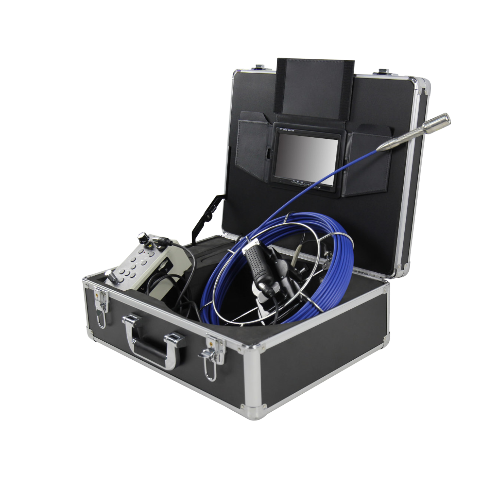
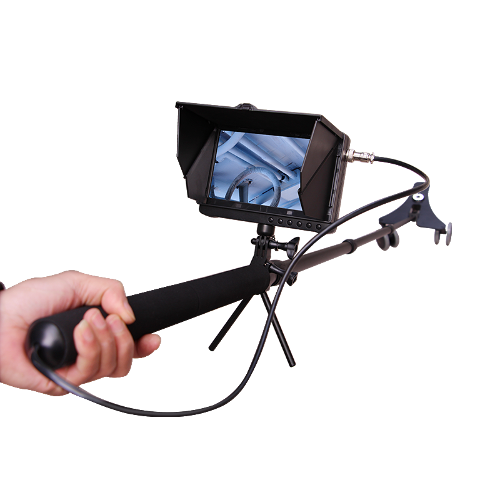
In the field of industrial inspection, telescopic inspection cameras are evolving from traditional auxiliary tools into intelligent diagnostic systems. Driven by advancements in materials, modular design, AI integration, and service model upgrades, this equipment not only enhances inspection accuracy and efficiency but is also increasingly becoming integrated into the digital ecosystem of various industries. This article focuses on four core trends, analyzing the development trajectory of telescopic inspection cameras.
Trend 1: Innovations in Material Science and Ergonomics
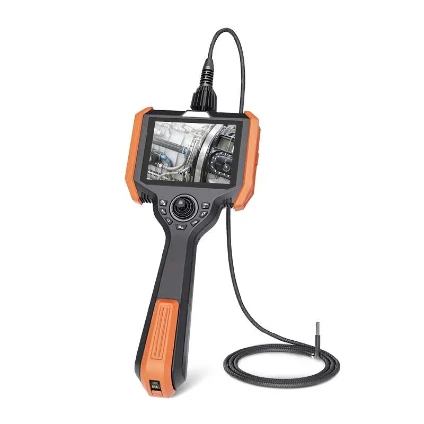
Material innovation forms the foundation for high-end development. Lightweight materials such as carbon fiber and high-strength aluminum alloys are gradually replacing traditional steel, driving the evolution of the camera’s pole materials to achieve an optimal balance between “long reach and low weight.” Ergonomics are also receiving unprecedented attention. Handle designs, anti-slip treatments, and weight distribution optimizations tailored for prolonged operation significantly reduce operator fatigue.
Trend 2: Modular Upgrades and Expansion of Application
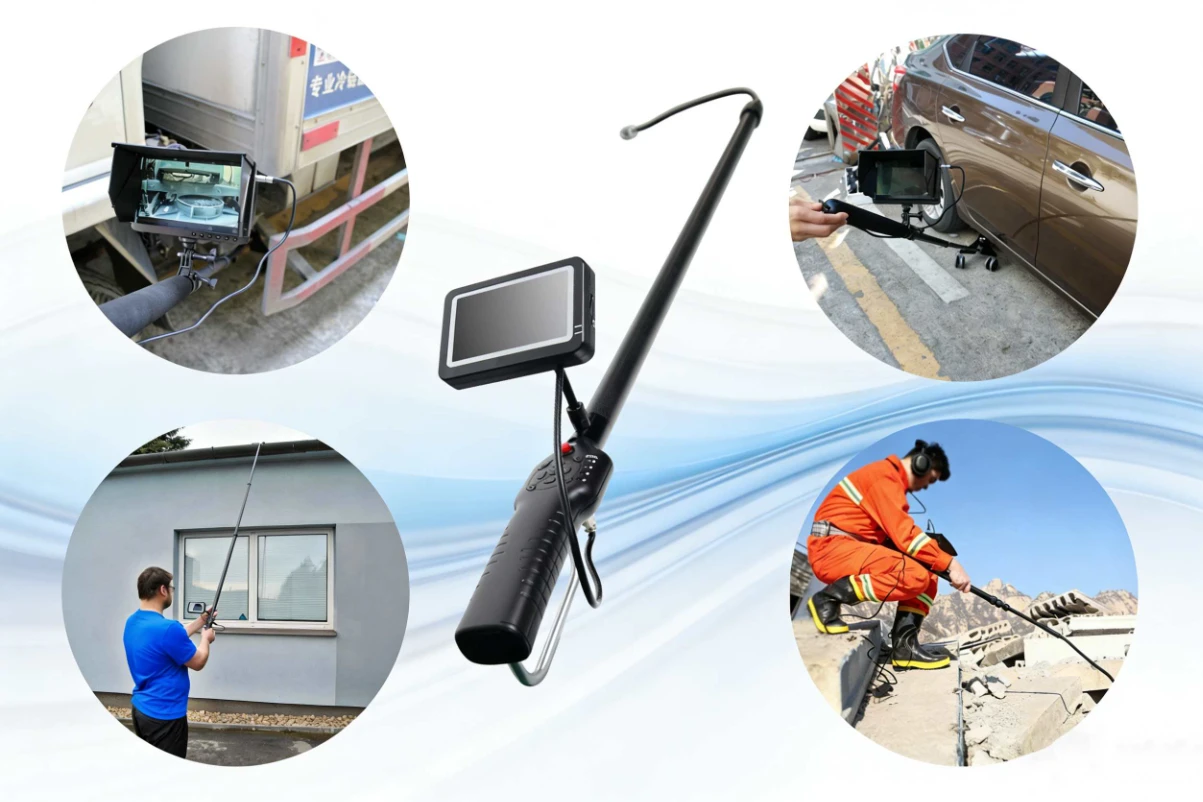
Enhanced environmental adaptability has broadened the application scope of telescopic cameras. High-end models with waterproof, dustproof, and high-low temperature resistance capabilities are constantly emerging, covering special scenarios such as deep-sea exploration and high-temperature industrial furnace inspection. Meanwhile, customized performance upgrades have become a trend: enterprises can customize telescopic stroke and probe types (infrared, ultraviolet, gas detection, etc.) according to customer needs to develop exclusive inspection solutions.
In the future, telescopic pole cameras will no longer be limited to a single visual inspection function but will integrate multiple detection modules as a platform: laser measurement modules for accurate 3D dimension measurement; ultrasonic probe accessories for thickness detection; and gas sensors for real-time environmental safety monitoring. This future-oriented “one machine for multiple purposes” design concept will significantly expand the functionality and application boundaries of telescopic cameras.
Trend 3: Deep Integration of Intelligence and AI
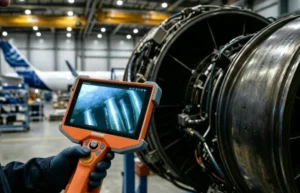
Intelligence is the core development line for telescopic cameras. The integrated application of AI visual recognition, 5G communication, and edge computing is transforming them from “visualization tools” to “intelligent inspection terminals.” Future telescopic cameras will integrate real-time defect identification, automatic measurement, and classification systems, capable of automatically marking common defects such as weld cracks, corrosion points, and foreign objects. Continuous optimization of deep learning models has enabled the system to achieve a recognition accuracy exceeding 95% in specific scenarios.
Trend 4: Service Upgrade from Standalone Equipment to End-to-End Solutions
Downstream inspection demand has shifted from equipment procurement to end-to-end support, prompting the pole camera industry to accelerate its ecological transformation towards “equipment + software + services.” Standalone suppliers are upgrading to solution providers, with profit margins 25% higher than those of pure sales-oriented enterprises. The core of this transformation lies in two dimensions: “software-hardware collaboration” and “equipment + value-added services.” In the future, cross-industry integration will see telescopic cameras embedded in multiple fields as a standard configuration for digital transformation.
Conclusion
The four major trends—material innovation, modular expansion, intelligent integration, and service upgrade—are jointly driving the telescopic camera industry towards high-quality development. In the future, with continuous technological iteration, telescopic cameras will unlock value in more professional fields, providing more efficient inspection support for industrial safety, infrastructure operation and maintenance, and other sectors, boasting broad development prospects.