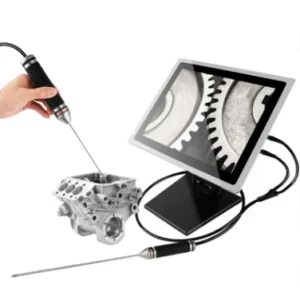

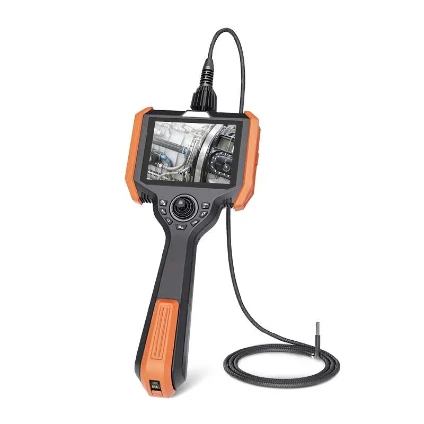
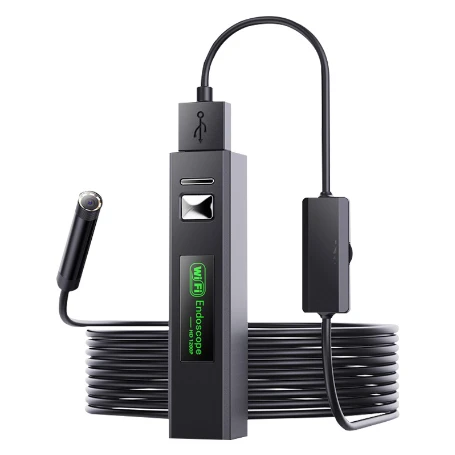
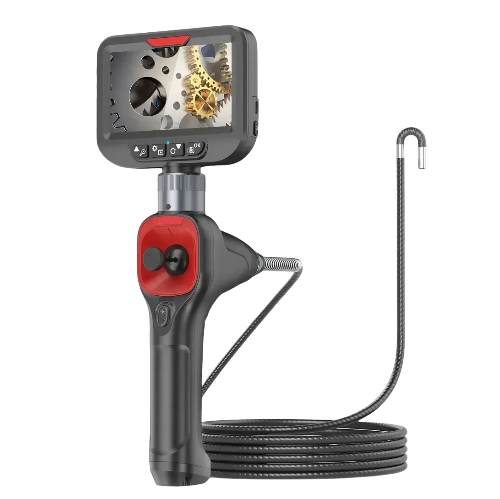
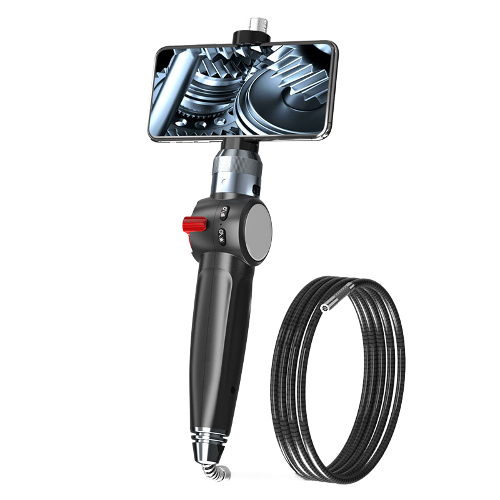
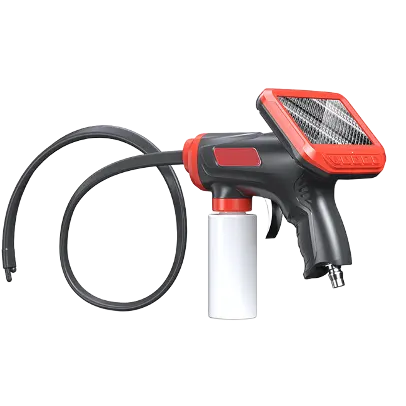
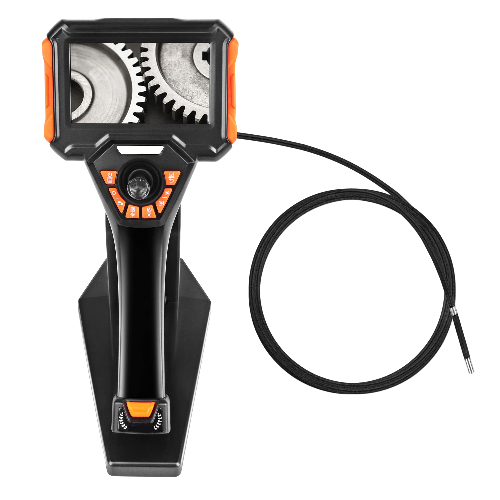
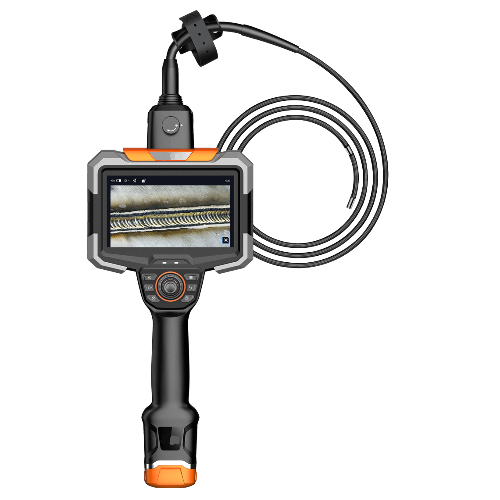
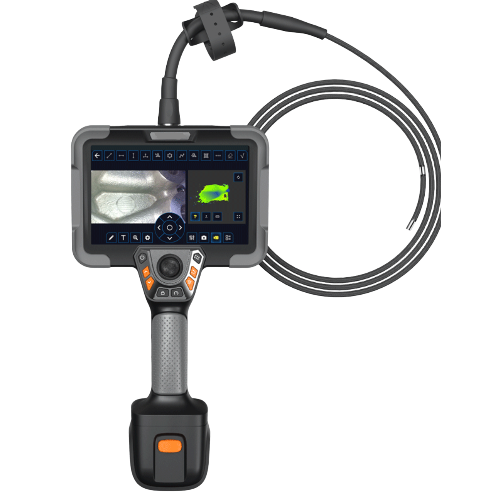
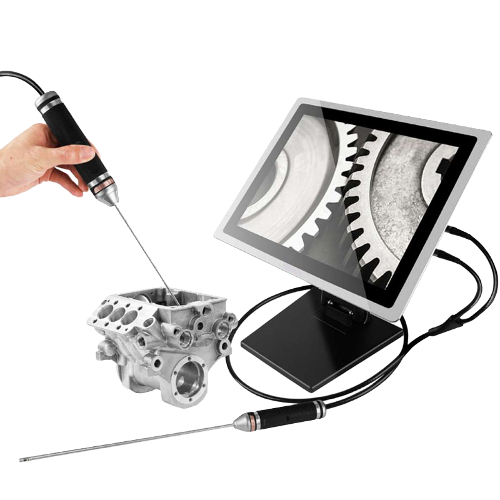
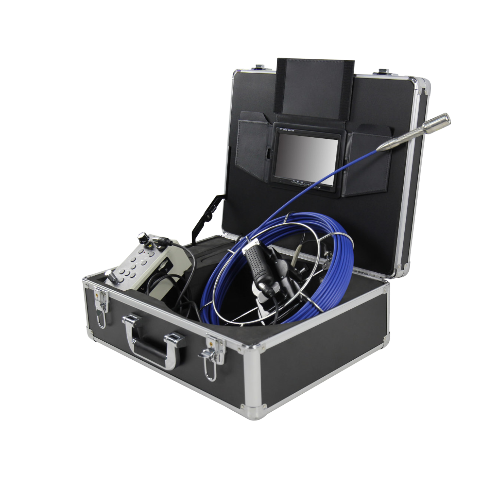
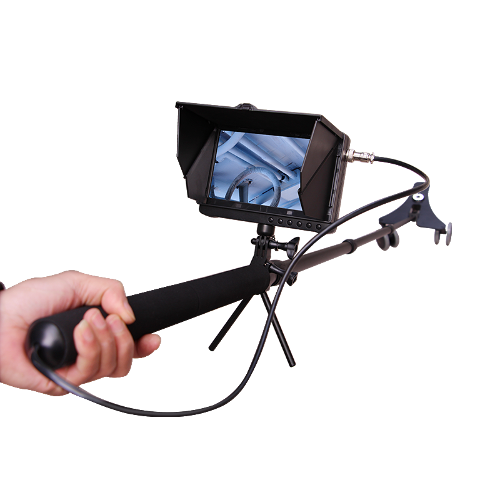
In industrial inspection and routine maintenance, we often hit a wall—literally. Whether it’s a spot you can see but can’t reach, or a space too tight for a person to enter, these “blind spots” are a major headache. The HD Telescopic Camera (often called a Telescopic Tank Camera or Articulating Inspection Mirror in the industry) is the perfect fix. By pairing HD imaging with a lightweight, extendable pole, it essentially acts as an extra set of eyes for your maintenance crew.
Key Advantages: Solving the “Small Entry, Big Space” Problem
Traditional inspections usually mean sending someone in or setting up bulky scaffolding—both of which are slow and risky. The telescopic tank camera offers a much better alternative:
Long-Range Reach: Using lightweight carbon fiber poles that extend several meters, you can easily inspect high ceilings or deep pits.
HD Zoom Vision: Equipped with high-optical zoom and bright LED lighting, these cameras catch micron-level cracks and corrosion, even in pitch-black environments.
Flexible Handling: With 360° rotation or multi-angle folding heads, you can eliminate blind spots entirely.
Four Main Use Cases
Vehicle Maintenance & Security Sweeps
The undercarriage is a high-risk area for safety issues, but it’s hard to get to.
Chassis Inspection: Check for loose suspension, oil leaks, or brake pad wear instantly, without needing a vehicle lift.
EV Battery Checks: For electric buses and logistics vans, it’s a lifesaver for checking the bottom of battery packs for impact damage.
Security Inspections: During annual safety checks or high-security sweeps, these tools let you quickly scan for foreign objects attached to the frame, making the process much faster.
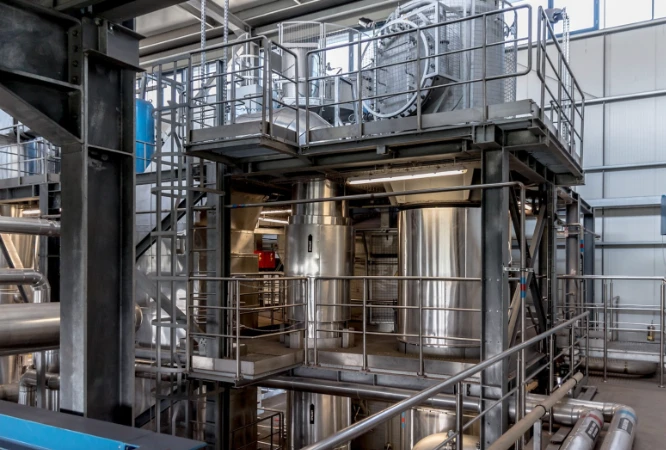
Power Plant & Chemical Boiler Inspections
Detecting corrosion inside a boiler is one of the toughest jobs in industrial maintenance.
Tight Entry Points: Boiler manways are often only 15–20 inches wide—too small for a person. A tank camera can slide right through a tiny 12-inch (DN300) opening.
Managing Complex Corrosion: High-res cameras provide a real-time feed to evaluate pitting, crevice corrosion, and weld cracks caused by high heat or acidic steam.
Real-World Example: In sulfuric acid plant HRS boilers, techs use the 10x zoom to pinpoint corrosion on tube sheets buried deep within complex piping.
Building & Infrastructure Inspections
In facility management, the most important components are often hidden behind ceilings or inside walls.
Ceiling Scans: Find the source of a leak or check HVAC ducting and wiring without tearing down half the drywall. Just pop a small access hole and see everything.
Bridges & Tunnels: Perfect for checking bridge bearings for displacement or inspecting tunnel drainage pipes for clogs to keep infrastructure safe.
Commercial Transport & Logistics
Cargo Monitoring: Truckers and warehouse managers can check the condition of goods at the back of a container—or high up on a rack—without unloading a single pallet. It’s great for spotting shifting loads or moisture damage.
Public Transit: Transit authorities use them for quick daily inspections of AC units on top of buses or inside tight compartments.
Disaster Rescue and Life Search
In the aftermath of sudden disasters such as earthquakes, landslides, or building collapses, rescue operations often take place in extreme environments where “every second counts” and “structures are highly unstable.” Thanks to its portability and long-range detection capabilities, the telescopic high-definition endoscope has become a “reconnaissance pioneer” for rescue teams.
• Life Detection in Narrow Crevices: In operational areas filled with debris and narrow gaps, rescuers do not need to dig blindly. By extending the HD camera into deep crevices via the telescopic pole, they can search for signs of life among trapped individuals in real-time.
• Spatial Environment Assessment: The probe’s built-in lighting system illuminates pitch-black underground spaces, helping rescuers observe whether the internal structure is stable. This allows them to assess the risk of secondary collapses and formulate safer rescue paths.
• Long-Distance Communication Bridge: Modern devices often integrate two-way audio systems. Once a survivor is located, rescuers can immediately provide verbal reassurance and inquire about their condition, offering psychological support and guiding them through simple self-rescue actions.
• Tactical Law Enforcement and Counter-Terrorism: During sudden public security incidents or counter-terrorism missions, tactical teams can use the telescopic pole to observe around corners, over windowsills, or above ceilings. This allows them to gain situational awareness of the interior without exposing themselves, ensuring the safety of law enforcement personnel.
The Bottom Line: Moving from Manual to Smart
From oil leaks under a truck to tiny cracks deep inside a boiler, the HD Telescopic Camera turns “guessing” into “knowing.” By focusing on High-Def, Reach, and Flexibility, it shifts maintenance from reactive to proactive. It doesn’t just keep your team out of dangerous, confined spaces—it provides the digital proof you need to make smart, data-driven repair decisions.