
Overview: The Active Safety Barrier for Aviation
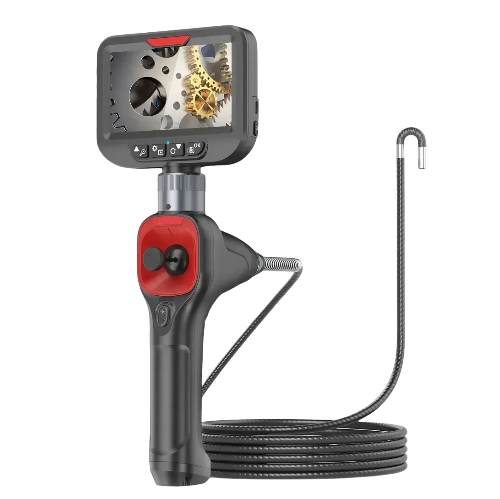
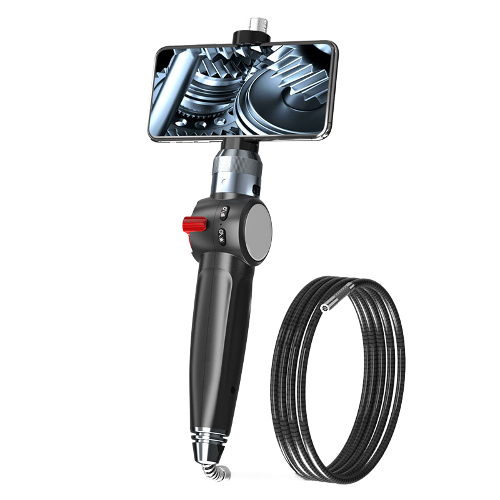
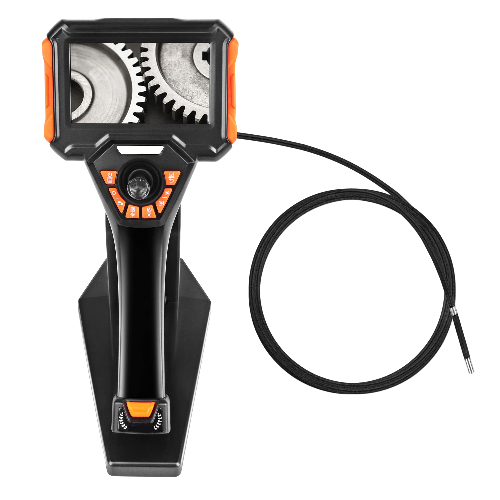
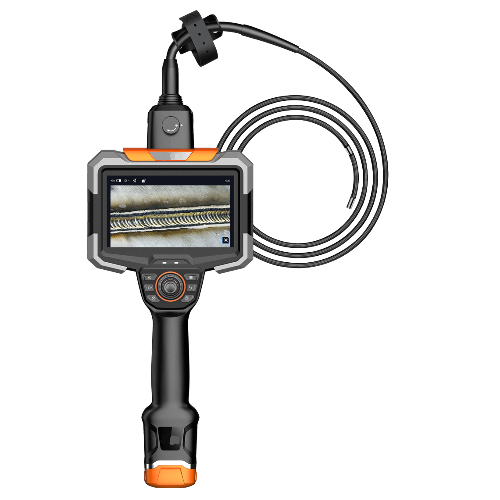
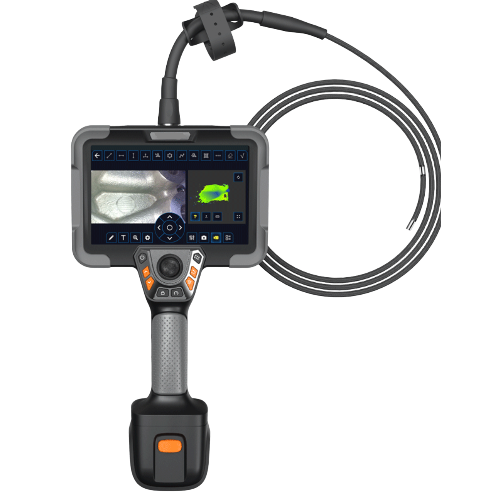
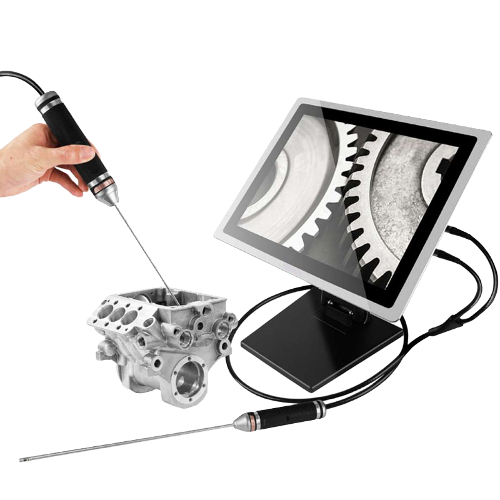
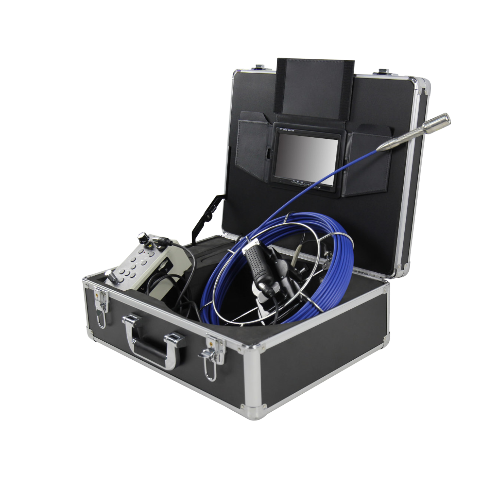
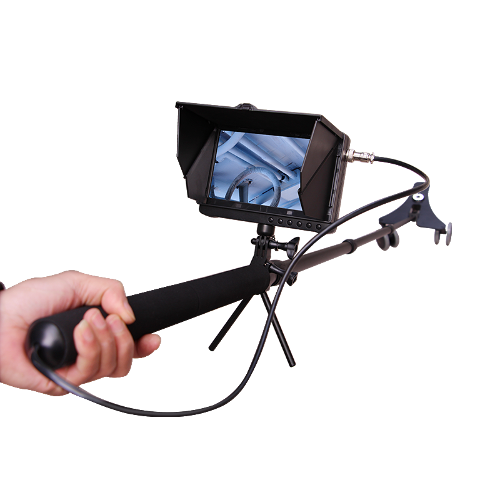
An aviation borescope—also called an endoscope—is a game-changer for aircraft inspections. You can peek inside engines and structures without taking anything apart, spotting cracks, corrosion, and other hidden issues with precision. It’s all about keeping flights safe and preventing surprises in the air.
Hardware: The Core Components of a Precision Tool
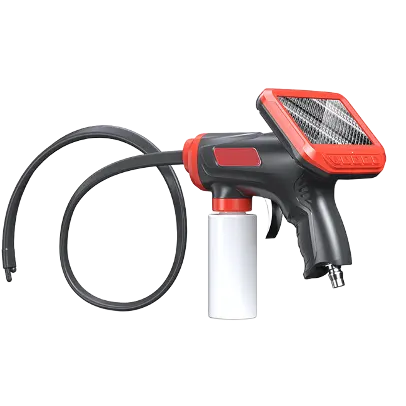
Aviation borescopes are essential non-destructive testing tools in aircraft manufacturing and maintenance. Here’s what makes them tick:
Optical Imaging System (Probe)
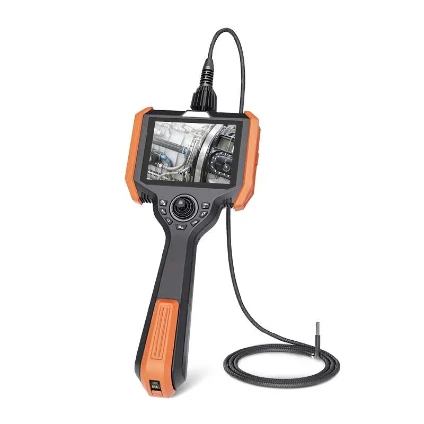
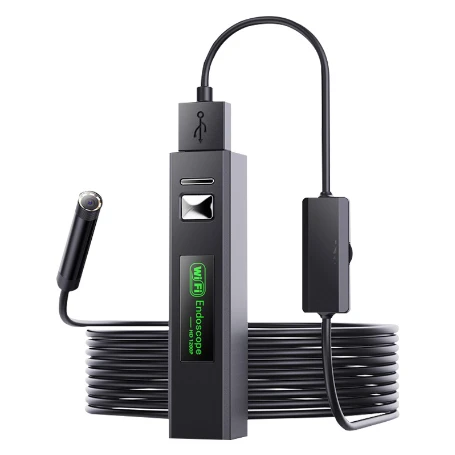
Packed with high-resolution image sensors, often housed in lightweight yet strong titanium alloy. Probes can rotate 360° and handle extreme temperatures. Diameters range from 1–8mm, adjustable depending on the inspection path.
Lighting System
Uses high-brightness, adjustable LED lights or fiber-optic lighting. This ensures even, accurate illumination in dark, confined spaces.
Cable System (Insertion Tube)
Transmits video signals while supporting probe movement. Usually wrapped in a tungsten wire braided layer for flexibility and durability. Lengths can be customized to match the depth of the area being inspected.
Processing Unit & Display
Built-in high-performance image processors deliver real-time, high-definition video for accurate defect assessment. Touchscreen monitors usually let you capture images or record video on the spot.
Control Unit
Adjusts probe angles and light intensity precisely. Besides electric joysticks, manual mechanical joysticks are common in aviation, providing tactile feedback for intuitive control.
Power Supply
Typically a high-capacity rechargeable lithium battery, giving technicians the freedom to work on-site for extended periods.
Use Cases: From Engines to Airframe Structures
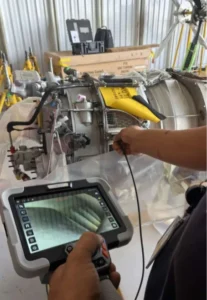
In the field, a borescope is like the technician’s “super eyes.” Stick the probe into an inspection port, and you’re watching a live HD feed inside the aircraft—no disassembly required. Hidden issues get spotted early, so they can be addressed before they become big problems.
Core Mission: Engine “Check-ups”
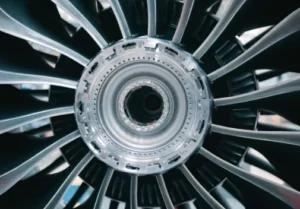
The engine is the plane’s heart and the main playground for borescopes.
Full-depth inspection: Scan the combustion chamber, turbine blades, compressor blades, and intake. Look for micro-cracks, metal wear, heat corrosion, and performance-affecting carbon buildup.
Different engines, different focus:
Gas turbine/jet engines: Compact, high-temp designs. Check for burnt-through combustion chambers, warped nozzles, and turbine blades that may have heat or centrifugal cracks.
Turbofan engines (commercial jets): Larger, multi-stage engines. Inspect core internals plus the front fan blades (look for bird strike or foreign object damage) and high- and low-pressure compressors for tip wear or structural deformation.
Aircraft Structures & Critical Systems
Structural checks: Inspect internal fuselage panels for hidden corrosion; peek inside honeycomb structures for water ingress or foreign objects; for composites, check for delamination or voids. Also verify welds and fasteners for fatigue cracks or looseness.
Systems checks:
Fuel system: Inspect narrow fuel lines for rust or debris to prevent blockages.
Electrical system: Check hidden wiring for wear, oxidized or burnt connectors.
Landing gear: Reach tight compartments to check hydraulic lines, pistons, and bearings for abnormal wear or leaks.
Specialized Tasks: More Than Just Seeing
Helicopters: High vibration means the main rotor’s suspension bearings are prone to fatigue cracks—regular targeted inspections are a must. Main gearbox gearing is also critical.
3D Measurements: Modern borescopes do more than capture images. Advanced units can measure crack length and pit depth, far more accurate than guessing.
Foreign Object Removal (FOD): If a screw or fuse drops inside an engine, specialized grabbing tools with a borescope can remove it—no teardown needed, saving hundreds of thousands in labor.
Value: Safety, Efficiency, Cost, and Technology
Safety: See hazards without disassembly
No “tear down” risk: Borescopes perform inspections without dismantling parts, avoiding wear or assembly errors.
Eagle-eyed precision: High-def, 360° probes reveal even hairline cracks, accurately locating hidden faults.
Efficiency: Cut inspection time from days to hours
Shorter downtime: Engine inspections that used to take days now take 1–2 hours through inspection ports.
Fewer hands, remote expertise: 1–2 technicians can operate on-site; complex cases can be shared with remote experts, boosting efficiency.
Cost Savings: Invest where it matters
Predictive Maintenance (PdM): Instead of “replace parts on schedule,” inspect and repair only as needed.
Early intervention: Small cracks or corrosion can be fixed before they grow, avoiding full-part replacements and massive costs.
Technology Upgrades: Make aircraft smarter
Design: Flexible micro-probes let designers create tighter, lighter, more efficient aircraft.
Manufacturing: Inspect welds and internal channels for “zero-defect” quality control.
Data-driven maintenance: Use inspection data to predict aircraft health, moving from reactive to digital, predictive maintenance.
Buying Guide: Picking the Right Tool
Professional borescopes are about practical performance, not just specs. Here’s what to look for:
Know the mission & environment: Engine internals vs. narrow airframe gaps; equipment must be rugged, oil-proof, waterproof, corrosion-resistant, and high-temp capable.
Resolution & brightness: 4K imaging preferred; screen ≥500 cd/m²; 3D measurement essential for crack depth and length.
Probe flexibility: Diameter 1–4mm, ultra-fine 1–2.8mm for tight spaces; rotation ≥120°; modular cables for different lengths.
Lighting: LED cold light or fiber-optic to avoid ignition risks; accurate color rendering.
Smart features: 3D defect modeling, one-click reporting, cloud collaboration, remote review.
How to Operate Aviation Borescopes
Pre-op “Life-Saving” Inspection
Before use, check the probe for cracks and the insertion tube for fraying. Ensure the probe tip cover is secure. If it falls into the engine, it becomes major FOD, requiring expensive engine teardown.
Temperature: The Number One Killer
Wait until the engine cools below 70°C as specified in the manual to protect the lens and sensor from overheating and burnout.
Finding the “Entry Point”
Use dedicated Inspection Ports, clean the opening, and insert gently. Stop if resistance is felt; never force the probe.
Steady Hands for 3D Measurement
Keep the probe perpendicular to defects, freeze the frame, then set measuring points. Accurate data directly affects aircraft airworthiness.
Common Issues & Troubleshooting (Pitfall Guide)
Screen is Pitch Black or “Whited Out”
Lower LED brightness or adjust angle to avoid reflection from titanium or steel surfaces.
What if the probe gets stuck?
Reset articulation to straighten the tip, then retract slowly. For blade jams, manually crank the fan to release the probe.
Blurry Images
Clean the lens with anhydrous ethanol and lens paper to remove fuel or carbon residue.
Narrow Channels
Switch to a 2.8mm or smaller ultra-thin probe if a 4mm probe cannot pass.
Real-World Maintenance Cases (Identifying Defects)
Blade Damage (FOD/DOD): Nicks, curling, scratches on blade edges after bird strike or debris ingestion.
Combustor Burn-through: Burn-holes or cracks with molten edges require immediate overhaul.
Turbine Blade Spallage: Coating peeling or hot spots indicate coating failure.
Carbon Buildup & Oil Leaks: Shiny liquid indicates oil leaks; hard black deposits are carbon buildup.
Future Outlook: Six Key Trends in Aviation Borescopes
Clearer images, precise measurements: 4K UHD and 3D measurement.
Finer, multifunctional probes: sub-1mm diameter with integrated sensors.
AI-powered inspections: automatic defect detection and quantification.
Service-based model: device + service, remote diagnostics, subscriptions.
System integration: data sync with MRO ERP platforms.
Predictive & digital maintenance: real-time data-driven strategies.