
With the rise of car culture, automotive modification is no longer exclusive to niche enthusiasts. More and more car owners seek to customize their vehicles to match personal aesthetic and performance needs—from personalized exteriors to hardcore power upgrades. Safety is the non-negotiable bottom line of any modification. Traditional inspection methods cannot peer into core internal components such as engines and exhaust systems. Industrial borescopes (inspection cameras) provide a nondestructive view to directly address pain points in modification craftsmanship. They not only reveal cylinder block details and weld quality but also help modification shops build professional trust, becoming a core competitive advantage to attract quality-focused car owners.
What is Automotive Modification?
Automotive modification refers to altering the exterior styling, interior trim, and mechanical performance of factory-built vehicles based on owner needs. It is primarily divided into body modification and powertrain modification, with additional subcategories including interior, suspension, and exhaust upgrades.
The most common issues during modification are hidden internal defects—such as assembly deviations in engine cylinder blocks, weld flaws in exhaust pipes, and craftsmanship gaps in concealed interior areas. These issues are invisible to the naked eye but can compromise vehicle performance and driving safety. An industrial borescope is the key tool to solve this problem.
Core Application Scenarios of Industrial Borescopes in Automotive Modification
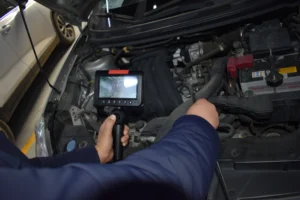
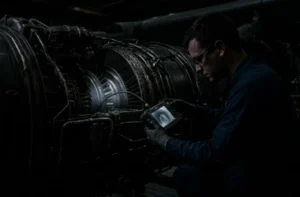
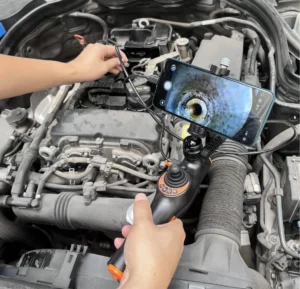
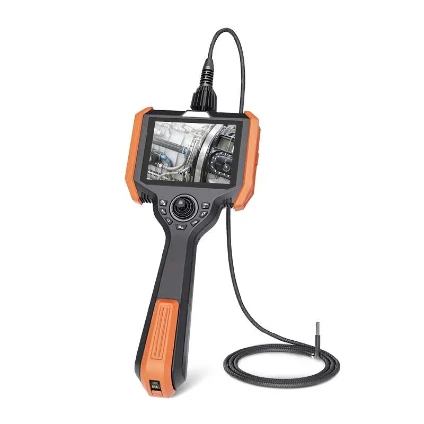
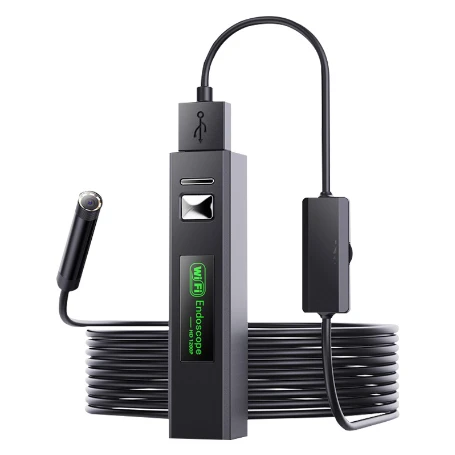
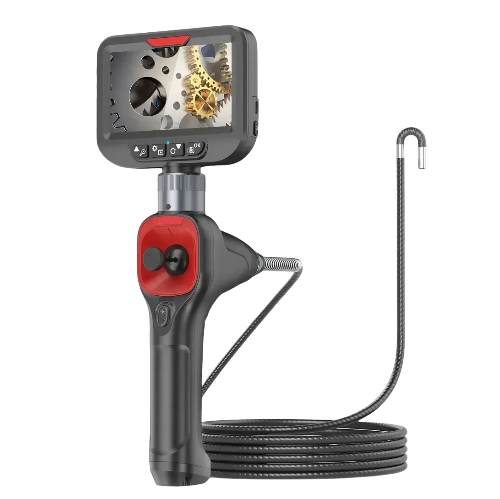
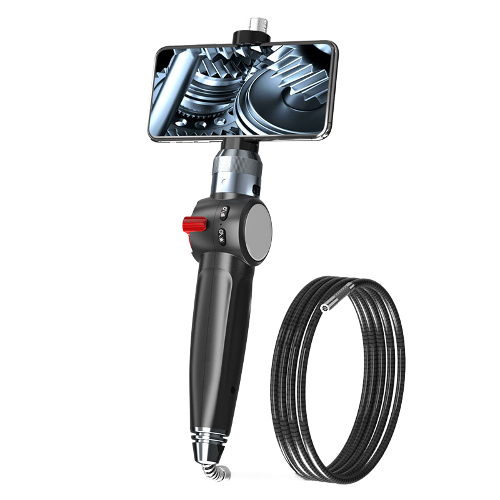
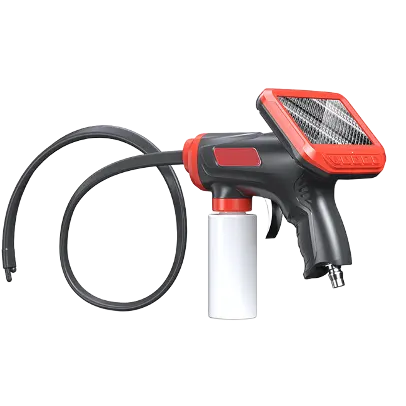
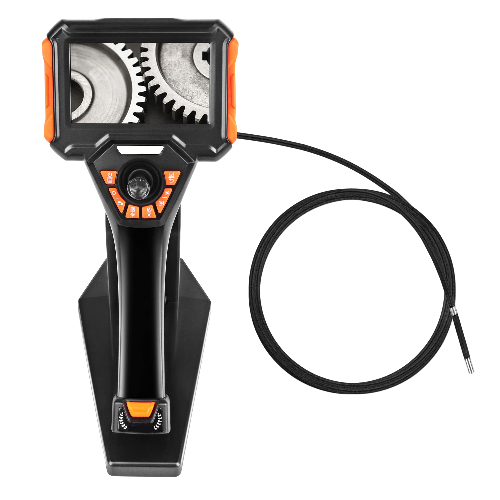
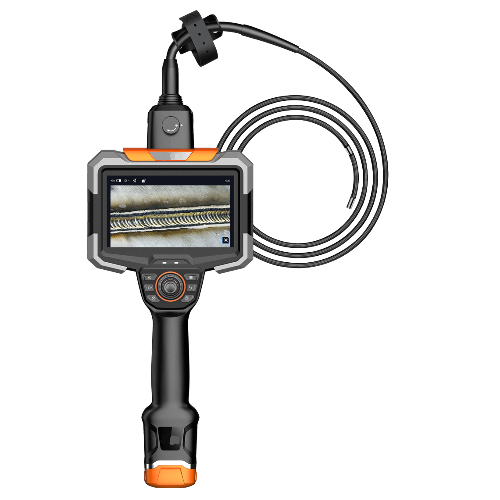
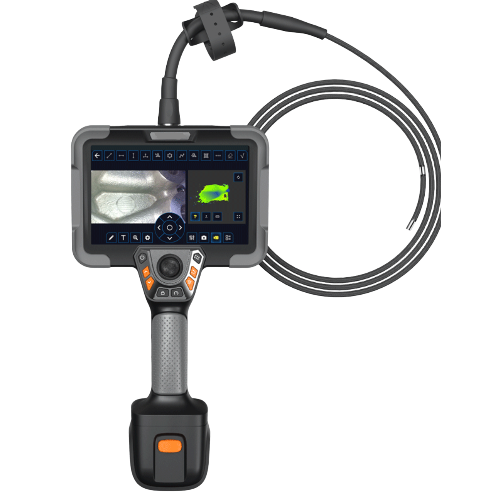
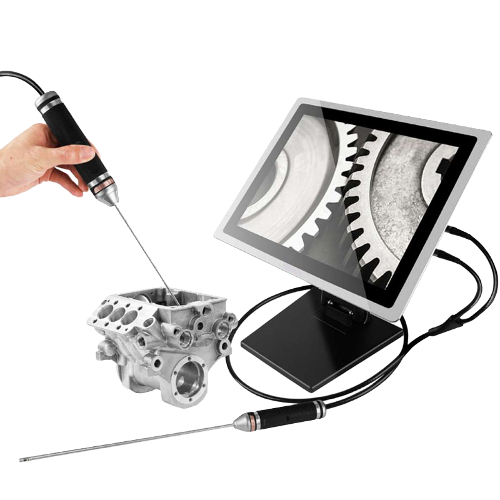
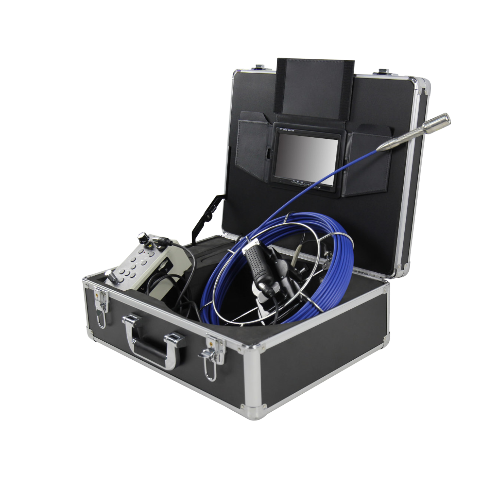
An industrial borescope is a nondestructive testing (NDT) device integrating optics, mechanics, and electronics. Its slim flexible or rigid probe can reach hard-to-inspect areas inside vehicles and transmit real-time internal images to an external display, enabling visual nondestructive testing without disassembling parts—perfect for automotive modification inspection needs. Its core applications cover 4 key scenarios:
Powertrain Modification Inspection
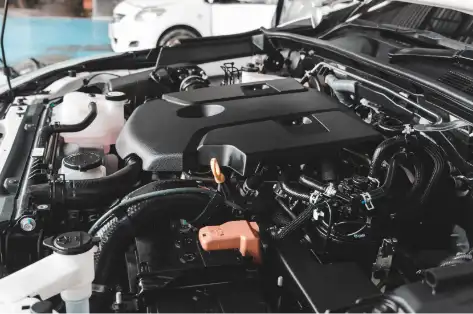
Powertrain upgrades are a core demand in automotive modification, including engine strengthening, turbocharging, and intake/exhaust system upgrades. An industrial borescope ensures modification quality. After installing reinforced valves and forged pistons in engine upgrades, insert the borescope into cylinders to check cylinder wall wear, piston top carbon buildup, valve sealing, and assembly precision, avoiding engine noise and power loss caused by poor assembly. For turbocharged vehicles, inspect turbocharger blade deformation and oil passage blockages to pre-empt failures. In exhaust system upgrades, probe into exhaust pipes and catalytic converters to check for clogs and secure welds.
Chassis & Body Modification Inspection
Many concealed areas in chassis and body modification are uninspectable by the naked eye, where industrial borescopes deliver critical value. Chassis reinforcement and roll cage installation are common upgrades for off-road and track enthusiasts, and weld quality directly impacts driving safety. Technicians use borescopes to inspect internal body structures and welds, promptly detecting and repairing defects like porosity and incomplete welding.
Interior Modification Inspection
Interior modification is flexible, but craftsmanship in hidden areas directly affects usability and safety. After replacing leather seats or upgrading dashboards, use a borescope to check wiring harness fixation under seat stitching and inside the dashboard, preventing circuit failures from loose or detached wires. For hidden navigation, audio, and other accessories, inspect installation stability and wiring layout to avoid wire abrasion and short circuits.
Post-Modification Acceptance Inspection
Most car owners only focus on exterior and surface performance after modification, ignoring hidden internal defects. An industrial borescope serves as a comprehensive acceptance tool. After engine modification, check for foreign matter in cylinders and accurate valve reset. After exhaust modification, inspect for leaks and blockages. After interior modification, identify hidden craftsmanship flaws to ensure modifications are safe and durable, not just visually appealing. Inspection records can also serve as a reference for future maintenance, simplifying troubleshooting.
Advantages of Industrial Borescopes in Automotive Modification
Compared with traditional disassembly-based inspection, industrial borescopes offer irreplaceable benefits for both modification shops and car owners:
Nondestructive Testing, Avoid Secondary Damage
Core automotive components (engines, transmissions, exhaust systems) are precision-built. Traditional disassembly inspection is time-consuming and risks secondary damage, potentially voiding factory warranties. An industrial borescope requires no disassembly—its slim probe reaches inspection zones for full-view observation, accurately detecting defects while protecting modified and factory parts from seal damage or component deformation.
Precision & Efficiency, Reduce Rework Rates
Equipped with high-definition cameras and lighting, industrial borescopes deliver clear, reliable images to capture tiny cracks. High-end models support measurement functions to quantify wear gaps and corrosion areas, providing precise data for modification adjustments, boosting inspection efficiency, and lowering rework rates.
High Adaptability, Cover Full-Scenario Modification Inspection
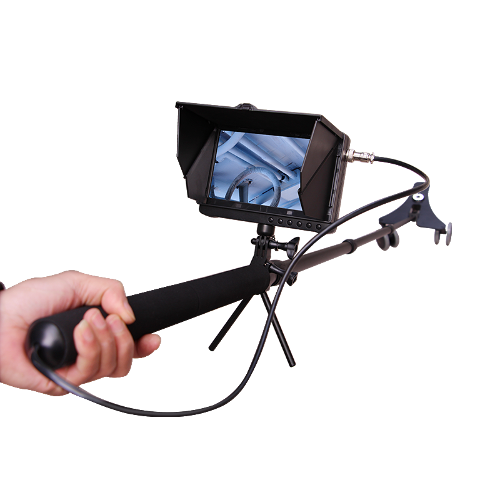
Modern vehicles feature lightweight, modular designs with tight engine bays and compact chassis, making traditional “visual and manual inspection” obsolete. Industrial borescope probes range from 0.9mm to 8.0mm in diameter, supporting direct-view, side-view, and dual-view angles. Flexible probes offer 360° steering, easily accessing narrow spaces like cylinders, exhaust pipes, and wiring channels for full-scenario inspection. Under Vehicle telescopic inspection cameras are specially designed for undercarriage inspection. For electric vehicle (EV) modifications, borescopes enable safe inspection without contacting high-voltage systems.
Enhance Trustworthiness and Assist Modification Shops in Attracting Customers
For tuning shops, using industrial endoscopes for inspection can visually demonstrate the internal condition and craftsmanship quality of the modified parts to car owners. This “seeing is believing” approach can greatly enhance service transparency, reduce car owners’ doubts about the quality of the modification, and increase customer trust. At the same time, the professionalism of endoscope inspection can also highlight the technical strength of the tuning shop, distinguishing it from ordinary tuning shops and attracting more car owners who value safety and quality.
Automotive modification is about balancing personalization and safety. For professional modification shops and enthusiasts alike, choosing the right industrial borescope upholds the safety baseline of modification and ensures every upgrade is reliable and secure. As the automotive modification industry becomes more regulated and technologically advanced, industrial borescopes will see wider adoption and become a key standard for measuring modification quality.