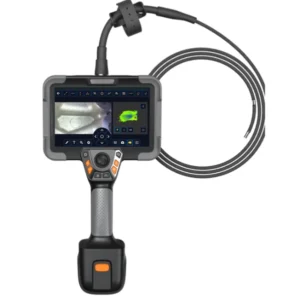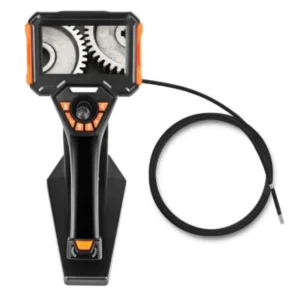

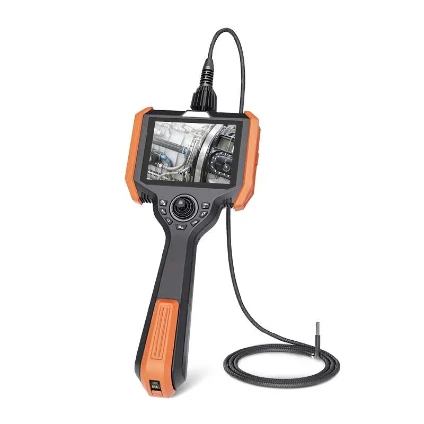
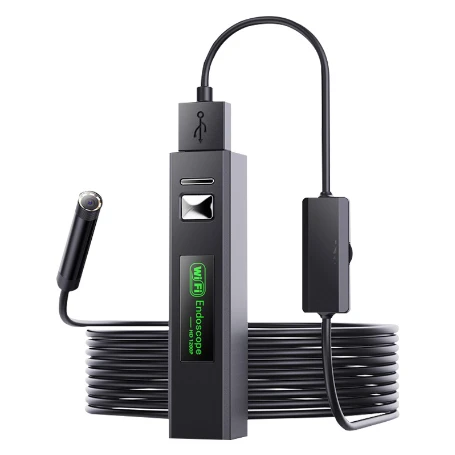
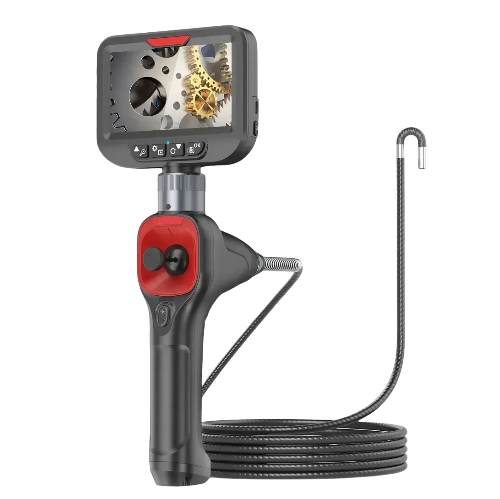
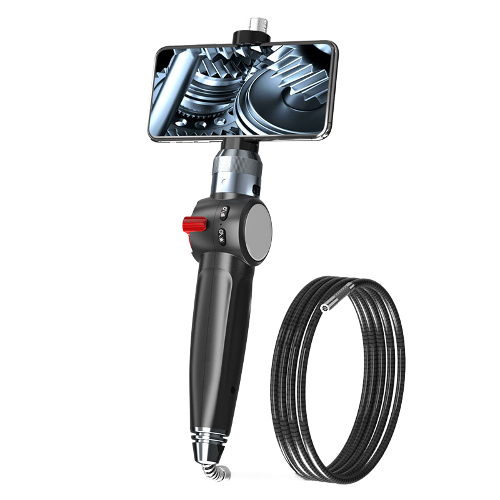
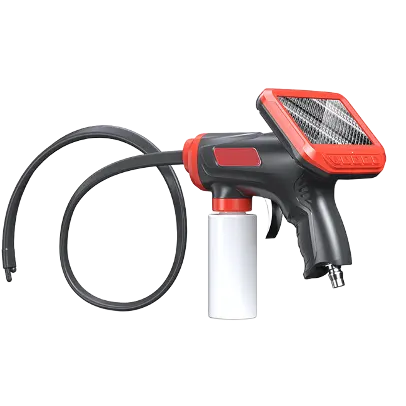
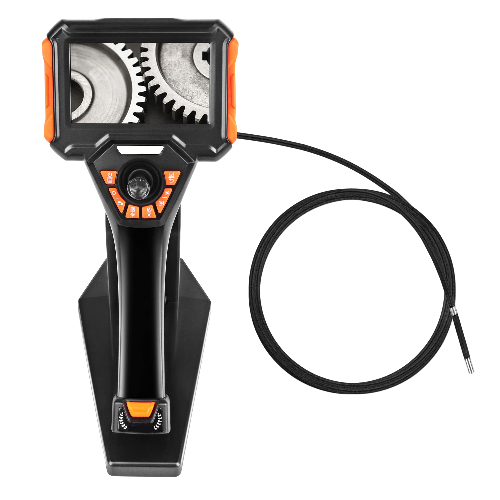
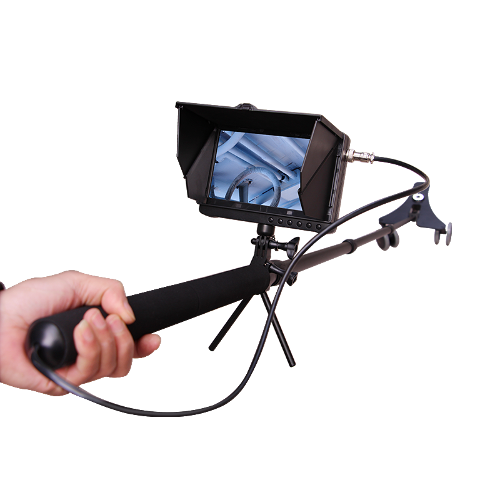
What is a Sewer Camera?
The sewer camera is the essential solution to the challenges of traditional inspection methods that require “shutdown, disassembly, and reliance on guesswork.” It enables non-destructive visual inspection by inserting a high-definition camera lens deep into piping systems via a long-distance cable.
Core Components:
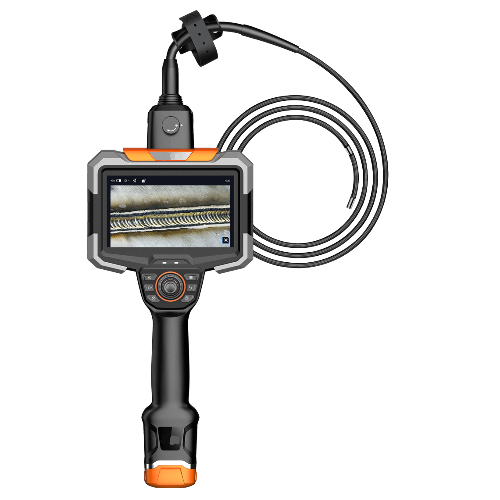
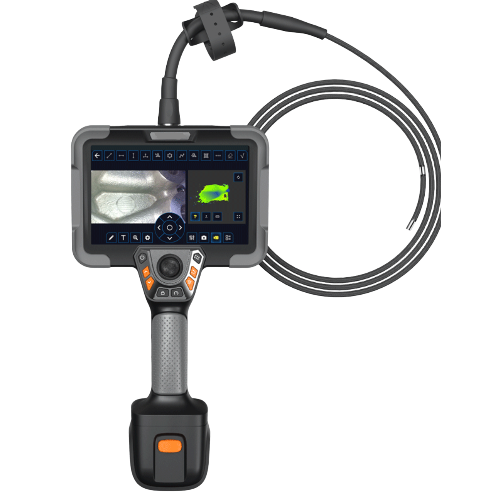
Camera Probe: Houses a high-resolution sensor. Features include auto-balancing (prevents image inversion), a 512Hz positioning transmitter, a pan-tilt head, and interchangeable probes of various diameters.
Lighting System: High-brightness LED light source with adjustable intensity to accommodate different pipe wall materials (reflective/absorptive).
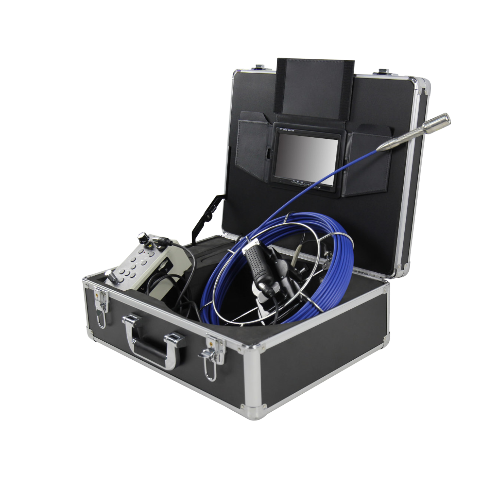
Control System: Control box or handheld terminal allowing one-touch photo capture, video recording, image zoom, and counting functions.
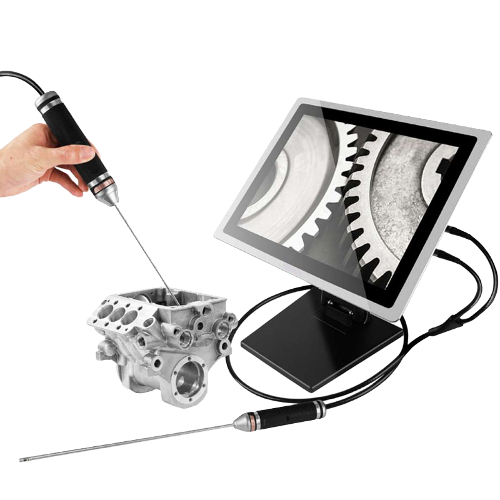
Main Display: Available in 4.3/7/9-inch sizes, often with a built-in sunshade for outdoor use. Some models support connection to larger external monitors for collaborative review.
Transmission Cable: Made of fiberglass (lengths from 20 to 120 meters available). Equipped with a brake-equipped reel for flexible deployment/retrieval and length locking, preventing slack and tugging during inspection.
Application Scenarios
Sewer Cameras find widespread application across various industries:
Industrial Processes: Chemical (corrosion/weld cracks), Oil & Gas (wax buildup/liquid accumulation/third-party damage), Pharmaceutical/Food (sanitation/smoothness/microbial growth), High-temperature Steam (oxide scale spalling/pipe bursts).
Municipal & Construction: Underground Pipelines (misalignment/leakage due to ground settlement), High-rise Buildings (precise blockage location to avoid wall demolition).
HVAC: Air Duct dust/mold buildup, Grease accumulation assessment in kitchen exhaust ducts, Fire damper reset verification.
Energy & Power: Nuclear Plant Primary Loops (stress corrosion cracking), Marine Vessels (filter damage/metal debris/wear).
Specialized Piping: Heat exchanger U-tubes, Hydraulic lines. Requirements: Probe diameter <20mm with high flexibility.
Application Value
Cost Savings: Eliminates excavation and disassembly, sewer Cameras reducing inspection costs by 60-80%. Preventive maintenance costs are only 1/10th of post-failure repairs (e.g., avoiding a $12M full replacement at a refinery).
Enhanced Safety: Keeps personnel away from hazardous environments; provides high-precision identification far superior to traditional methods, forming a basis for safety assessments.
Improved Efficiency: Enables inspection during operation, reducing cycle time from weeks to hours—a tenfold efficiency increase.
Environmental Benefits: Green, trenchless technology with no secondary pollution from chemical cleaning; extends equipment lifespan by 30-50%, supporting green manufacturing.
Societal Support: Safeguards urban operations, ensures drinking water sanitation, and aids in disaster emergency response.

Selection Guide
Lens Specifications: Prioritize modular design. Must have auto-balancing, wide-angle, and multi-angle pan-tilt capabilities. For long-distance inspection, choose 960 TV lines to ensure signal stability.
Positioning Accuracy: Opt for a 512Hz transmitter or built-in length counter to precisely mark defect locations. An optional input keyboard allows real-time data entry during inspection.
Protection Rating: Lens must be IP68 rated. Intrinsically safe (Ex) certification for the entire unit is required in flammable/explosive environments. Specialized protection is needed for high-temperature settings.
Operational Battery Life: Built-in batteries should support 6+ hours for uninterrupted task completion.
Ease of Use: Unit should be dustproof and shock-resistant, and come with a portable carrying/storage case.
Development Trends
End-to-End Imaging Systems: Utilize HDR and large-format sensors to capture native images rich in detail and true-to-life color, even in extreme contrast environments within pipes.
AI-Powered Recognition: Automatically identifies cracks/corrosion and assesses risk, reducing manual recording time by 90%. Accuracy exceeds 92%, with a false positive rate below 5%.
Unmanned Inspection: Pipeline robots integrate a “sense-transmit-analyze-process” closed-loop system, equipped with hydrophones, laser scanners, and repair modules for one-stop operation.
Service Model Shift: The industry is transitioning from pure equipment sales to “Hardware + Service” models, offering equipment leasing, defect data analysis, and Prognostics and Health Management (PHM).
As the “intelligent eye” of industrial non-destructive testing, the sewer camera is undergoing a comprehensive evolution—from a simple inspection tool into a high-value intelligent operations and maintenance system—through the deep integration of HD imaging, AI recognition, and robotics technology.