
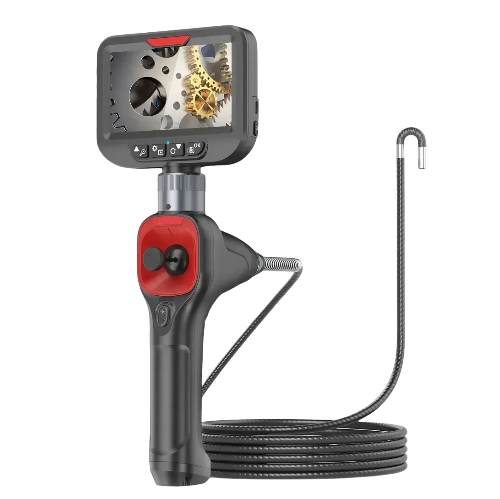
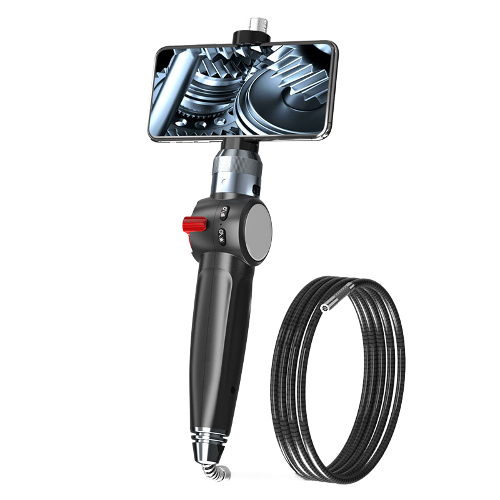
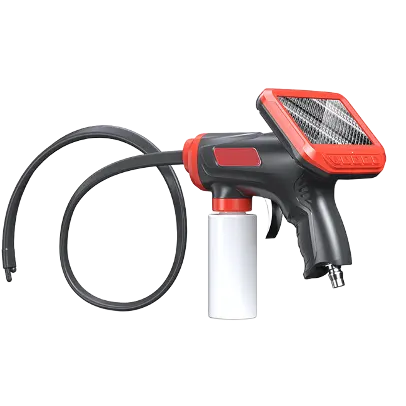
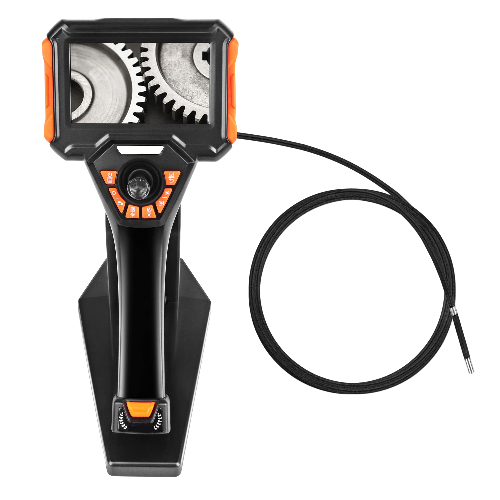
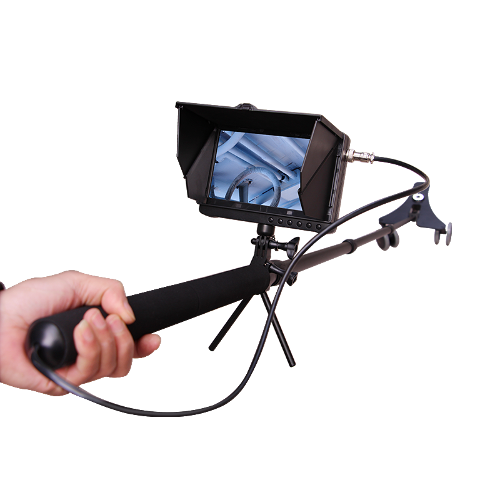
If the equipment you are responsible for operates in environments reaching several hundred or even over a thousand degrees Celsius, you have likely encountered a common challenge: the equipment is due for inspection, but the internal condition is impossible to assess visually, and a standard borescope simply cannot survive the heat. In many cases, the probe or optics can be permanently damaged within minutes.
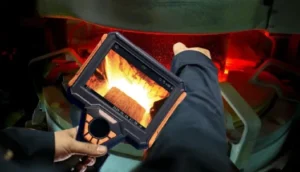
This is far from an isolated issue. In virtually any process involving combustion, smelting, or exothermic chemical reactions, inspection often becomes limited by one fundamental problem—lack of visibility inside high‑temperature equipment. High‑temperature borescopes are increasingly being adopted as standard inspection tools because they solve this critical challenge: providing a clear view of internal conditions without requiring a complete shutdown or personnel entry into hazardous confined spaces.
The following applications represent some of the most mature and value‑driven use cases for high‑temperature borescopes across industry.
Petrochemical Industry: Inspection of Reactors, Fired Heaters, and Process Piping
Maintenance windows in petrochemical facilities are typically short, and every additional day of downtime can translate into substantial production losses. Coke buildup inside reactors, carbon deposits in furnace tubes, and weld cracking within process piping are all common issues that require regular monitoring.
A high‑temperature borescope can be inserted through access ports or inspection openings shortly after the equipment has cooled to a safe operating range, eliminating the need to wait for complete cooldown. The probe can travel along furnace tubes or piping sections to document coke accumulation, corrosion damage, and surface defects.
The captured images and videos can be archived as inspection records, providing valuable baseline data for future maintenance planning and condition trending.
Metal Smelting and Metallurgy: Furnace Refractory and Molten Metal Monitoring
Industrial furnaces in steel, aluminum, and other metallurgical operations routinely operate at temperatures exceeding 1,000°C. Over time, refractory linings gradually erode and thin due to thermal and chemical attack.
Localized refractory failure can result in molten metal leakage, one of the most serious safety hazards in a smelting facility.
By using high‑temperature borescopes to periodically inspect refractory surfaces, identify cracking, and monitor wear patterns, engineers can proactively schedule repairs before critical failures occur. These inspections are typically performed during production pauses or partial cooldown periods, minimizing disruption to plant operations while improving maintenance planning.
Aerospace: Combustor and Turbine Blade Inspection
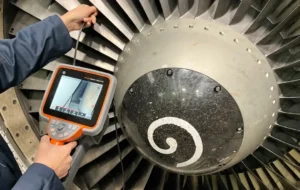
Borescope inspection is a standard maintenance procedure throughout the aerospace industry. Even after engine shutdown, combustion chambers, turbine sections, and hot gas path components often remain at elevated temperatures, placing significant demands on both temperature resistance and probe durability.
Minor blade cracks, early‑stage thermal distress, or localized burn damage can be difficult to evaluate without high‑quality visual inspection. Advanced borescopes provide the magnification, image clarity, and articulation required to assess these defects accurately.
This is one reason aerospace borescope inspections typically require higher image resolution, superior illumination uniformity, and greater optical performance than many other industrial applications—small defects can have major implications for airworthiness and engine reliability.
Power Generation: Boiler Waterwall and Steam Turbine Inspections
In thermal power plants, boiler waterwalls and high‑temperature steam pathways within turbines operate under extreme thermal and pressure conditions.
Traditionally, detailed inspections are often deferred until major outages. However, high‑temperature borescopes allow maintenance teams to conduct preliminary inspections during load reductions or controlled cooling periods. Wear, wall thinning, fouling, and deposit accumulation can be identified before major maintenance begins.
This approach enables maintenance planners to prioritize repairs based on actual equipment condition rather than inspecting every component equally, resulting in more efficient use of labor, time, and outage resources.
Ceramics, Glass Manufacturing, and Heat Treatment: Kiln and Furnace Process Monitoring
Ceramic firing, glass melting, and heat‑treatment operations require highly uniform temperature distribution. Even small thermal inconsistencies inside a kiln or furnace can lead to product defects such as bubbles, warping, cracking, or color variation.
Traditionally, these issues are often discovered only after the production cycle has been completed, when the cost of scrap and rework has already been incurred.
By installing high‑temperature borescopes at designated observation ports, operators can monitor product conditions and furnace behavior during processing. Process abnormalities can be detected early, allowing corrective adjustments before defects affect finished products.
Automotive and Internal Combustion Engines: Combustion Chamber and Turbocharger Inspection
Engine combustion chambers and turbochargers operate continuously under high‑temperature, high‑pressure conditions. Carbon buildup, deposit formation, and seal degradation are among the most common maintenance concerns.
Traditional diagnostics frequently require partial disassembly of intake systems or turbocharger housings, increasing labor costs and introducing the possibility of reassembly‑related issues.
Using a high‑temperature borescope inserted through spark plug openings or other inspection ports, technicians can directly examine piston crowns, combustion chambers, valve faces, and internal deposits. In many cases, this allows maintenance decisions to be made without unnecessary teardown procedures.
How to Determine Whether a High‑Temperature Borescope Is Necessary
The following three criteria can help determine whether a high‑temperature borescope is the appropriate inspection solution:
Is the Inspection Area Consistently Exposed to Elevated Temperatures?
If the inspection point regularly exceeds the operating temperature limit of a standard industrial borescope (typically over 85°C, depending on the model), a high‑temperature system should be considered.
Does the Inspection Need to Be Performed During Limited Cooling Windows?
If maintenance schedules are tight and waiting for complete cooldown would significantly delay operations, a high‑temperature borescope can allow inspections to begin much earlier.
Is Personnel Entry Unsafe or Impractical?
For confined spaces, toxic atmospheres, or areas presenting burn hazards, remote visual inspection provides an additional layer of operational safety while reducing personnel exposure.
Frequently Asked Questions (FAQ)
Q1: What temperatures can a high‑temperature borescope withstand?
Temperature capabilities vary significantly by model. Entry‑level systems may tolerate temperatures in the low hundreds of degrees Celsius, while specialized borescopes equipped with active cooling or advanced thermal protection can operate continuously in much higher‑temperature environments. Always refer to the manufacturer’s specifications for verified operating limits.
Q2: Can inspections be performed before the equipment has fully cooled?
Yes. This is one of the primary advantages of a high‑temperature borescope. As long as the inspection environment remains within the probe’s rated temperature range, inspections can begin immediately once that threshold is reached, substantially reducing maintenance waiting time.
Q3: How does a high‑temperature borescope differ from a standard industrial borescope?
In addition to heat‑resistant materials and higher temperature ratings, high‑temperature borescopes often incorporate specialized thermal shielding, cooling mechanisms, or protective designs. They may also require specific operating procedures regarding insertion speed, exposure duration, and probe positioning to prevent excessive thermal loading.
Q4: Which industries most commonly use high‑temperature borescopes?
The most common sectors include petrochemical processing, metal smelting and metallurgy, aerospace maintenance, power generation, ceramics and glass manufacturing, heat‑treatment operations, and automotive engine inspection. The common factor across these industries is the need to inspect equipment operating under sustained high‑temperature conditions.