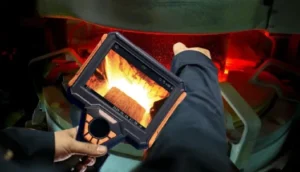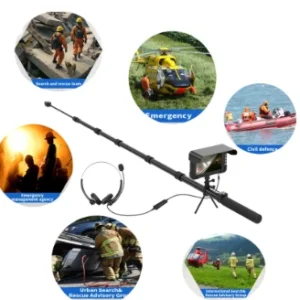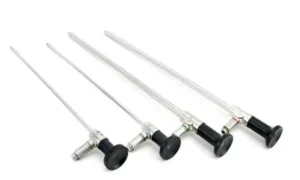

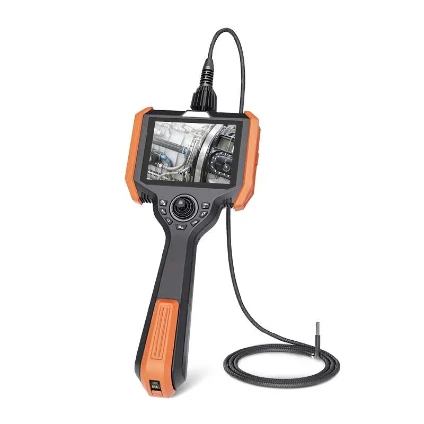
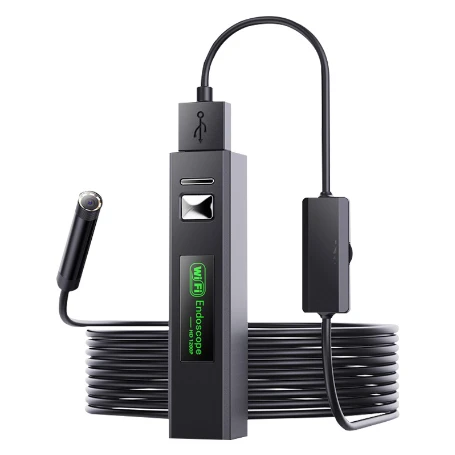
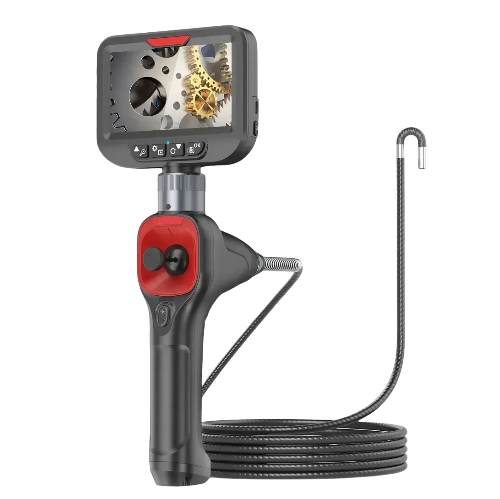
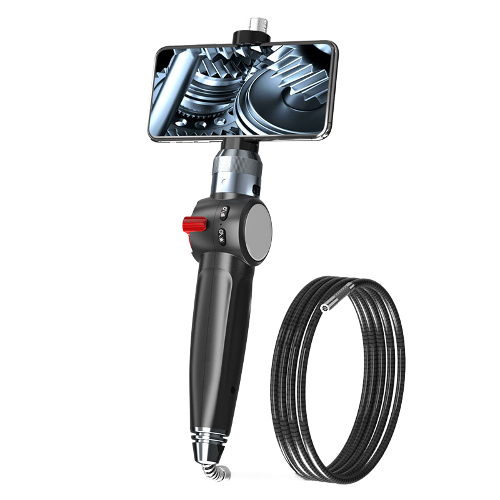
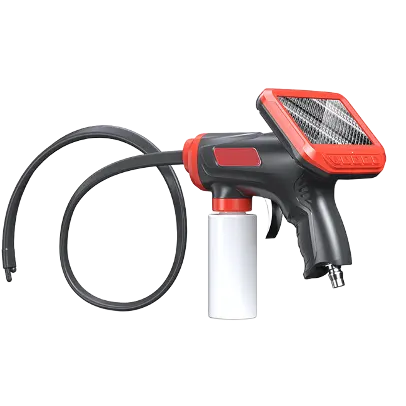
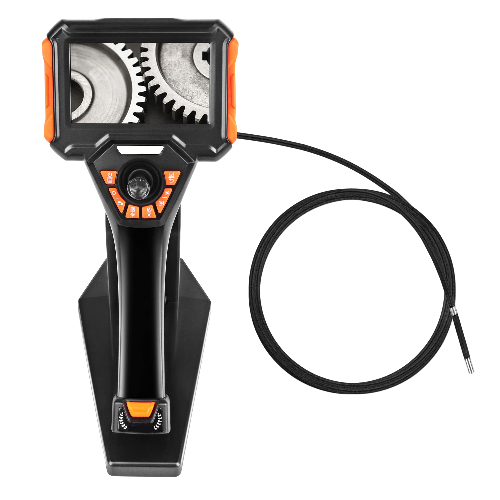
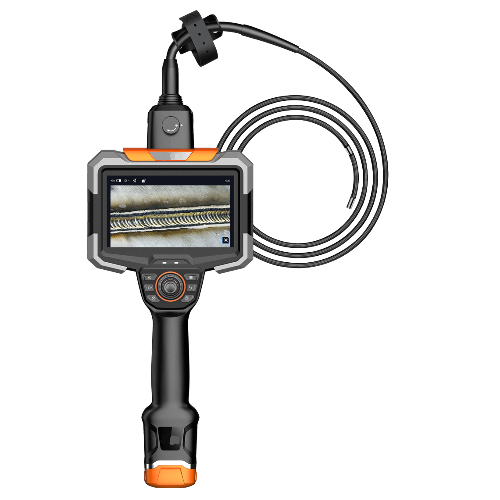
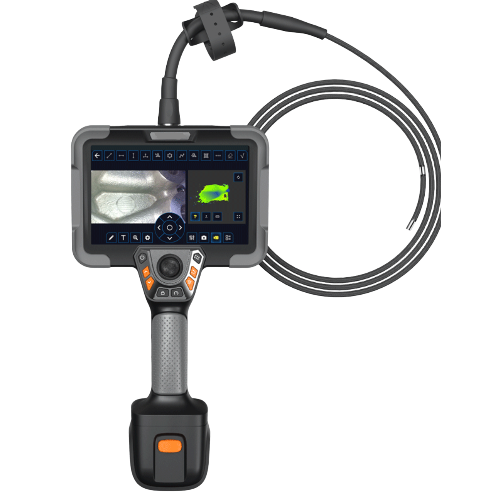
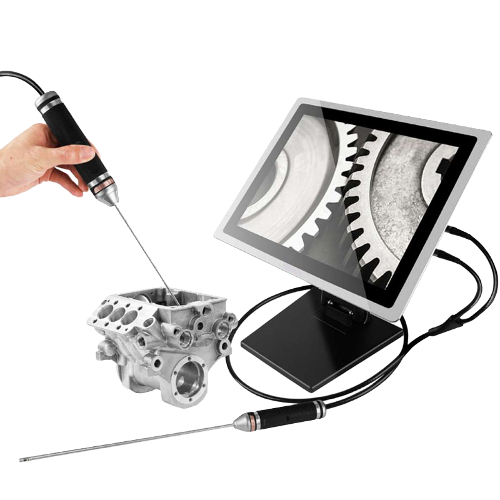
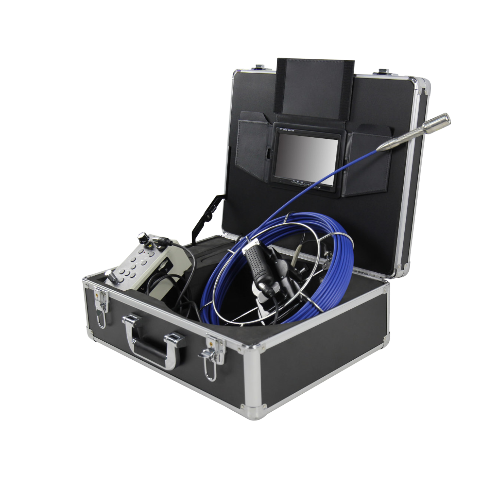
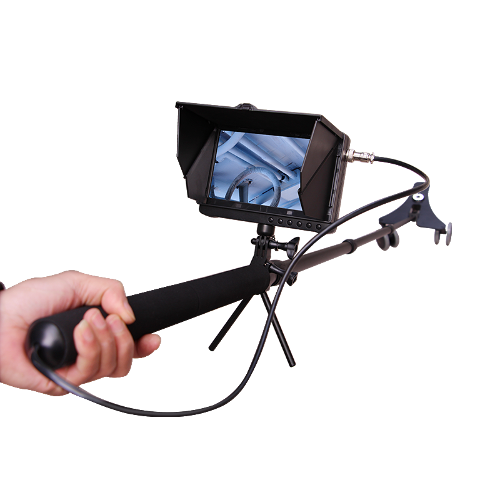
Sewer cameras (also known as sewer inspection cameras, drain cameras, and pipeline cameras) have four core development trends: Ultra-HD Imaging, AI Intelligence, Pipeline Robots, and Service-Oriented Transformation. This article will clearly break down how sewer cameras are evolving from a “tool” into a comprehensive “intelligent inspection system.”
Image Clarity Enhancement
Continuous upgrades to image clarity form the cornerstone of all intelligent advancements in sewer cameras. The current trend is shifting from simply increasing pixels to building an end-to-end imaging system. Its core lies in: adopting large-format, high-sensitivity sensors and HDR technology to capture detailed, true-to-color raw images even in extreme environments of sewers—such as no light and high contrast. This provides a reliable visual foundation for clearly identifying various pipeline defects, serving as the fundamental prerequisite for subsequent accurate inspection, analysis, and intelligent diagnosis.
Integration of Intelligence and AI Image Recognition
Intelligence is the core future direction of sewer cameras. The traditional inspection model relying on manual interpretation is being disrupted. Future sewer inspection cameras will integrate AI algorithms to real-time identify common defect types (e.g., cracks, corrosion, blockages), automatically measure defect sizes, assess risk levels, and generate structured inspection reports—reducing manual documentation time by over 90%. Deep learning-based segmentation algorithms have achieved an accuracy rate of over 92% in sewer defect detection, with a false positive rate of less than 5%.
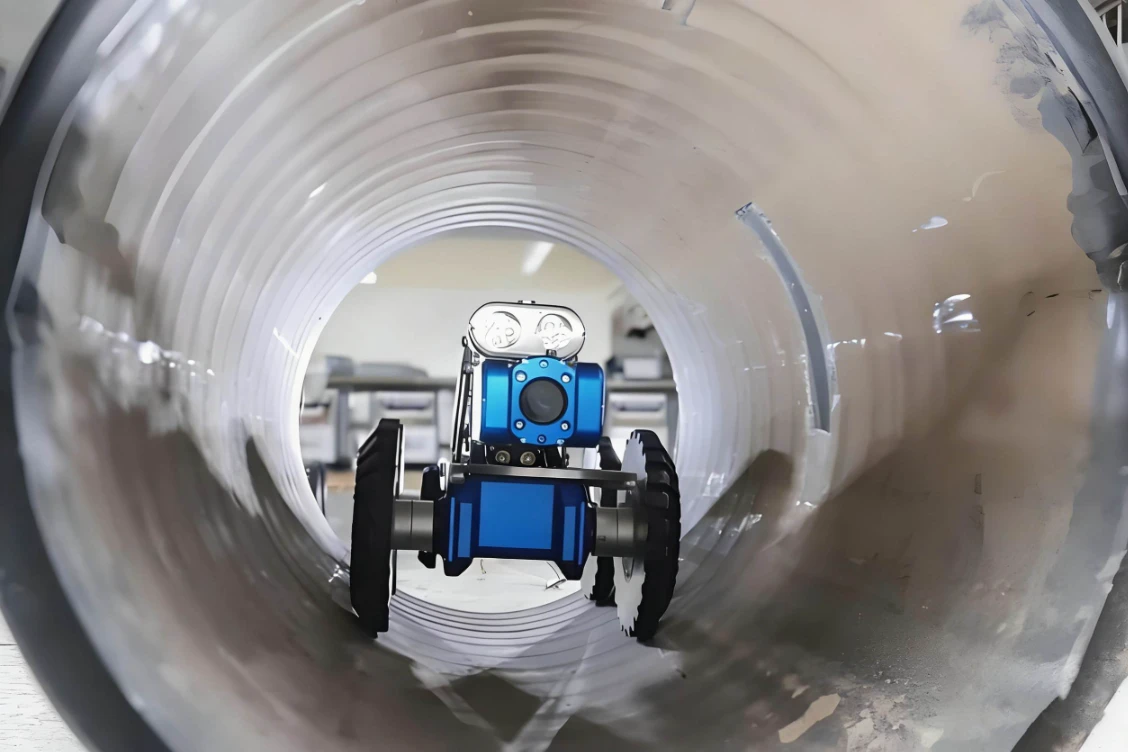
Pipeline Robots Usher in a New Era of Unmanned Inspection
The in-depth integration of pipeline robots and endoscopic inspection technology has become a core trend driving industry efficiency innovation. With the release of demand for new infrastructure and old pipe network renovation, this track is experiencing explosive growth. In terms of functional integration, pipeline robots and endoscopic modules form a “perception-transmission-analysis” closed loop. Equipped with multiple modules—including high-definition drain cameras, hydrophones, laser scanning, cleaning, and repair—they enable audio-visual integrated inspection and one-stop trenchless operations of “detect and resolve immediately.” The adaptive drive system and long-lasting energy design ensure stable passability and operating duration under complex pipe conditions. In terms of scenario penetration, municipal water supply, oil and gas transmission, and nuclear power industry are the core application areas.
Upgrade of the “Hardware + Services” Business Model
Profit margins for pure equipment sales continue to shrink, and the industry is entering a period of “hardware + services” transformation. Its core strategy is to redefine sewer cameras as an operable inspection data entry point and build a sustained service ecosystem around it. Some enterprises have already started the transformation, offering integrated services such as pipeline camera equipment rental, on-site inspection, defect data analysis, and Prognostics and Health Management (PHM).
Summary
In summary, the development of sewer cameras is evolving rapidly along the main line of “See Clearer → Judge More Accurately → Do More → Serve Better.” Whether you are a frontline inspection and construction team, a municipal manager responsible for operation and maintenance, or a decision-maker purchasing equipment, keeping up with these changes means seizing the intelligence and efficiency of the industry.