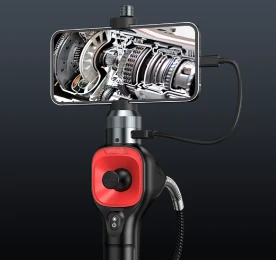

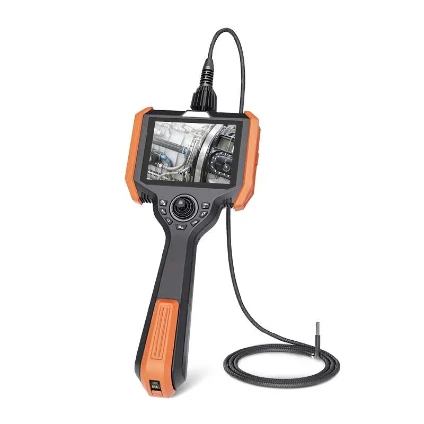
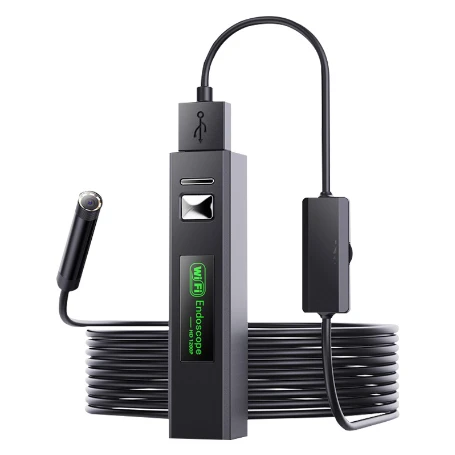
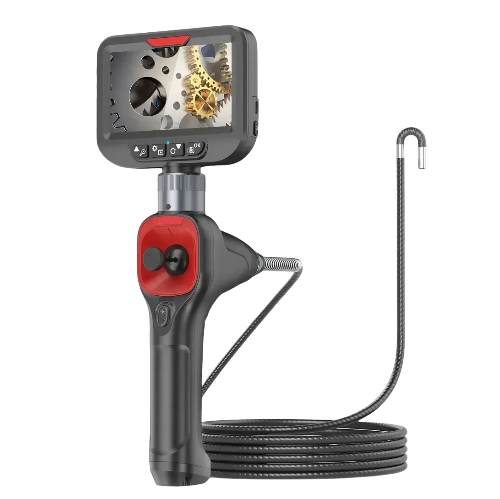
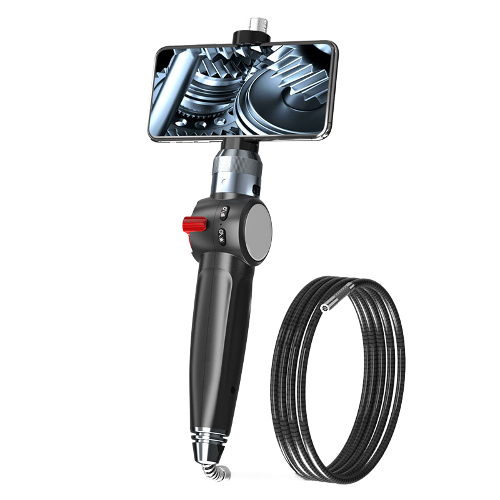
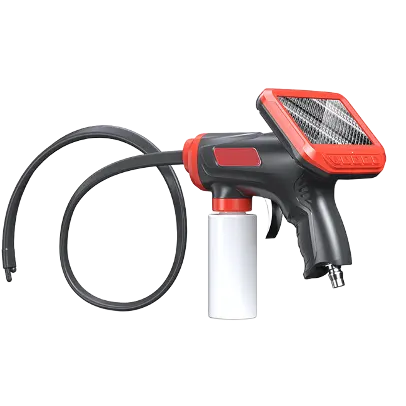
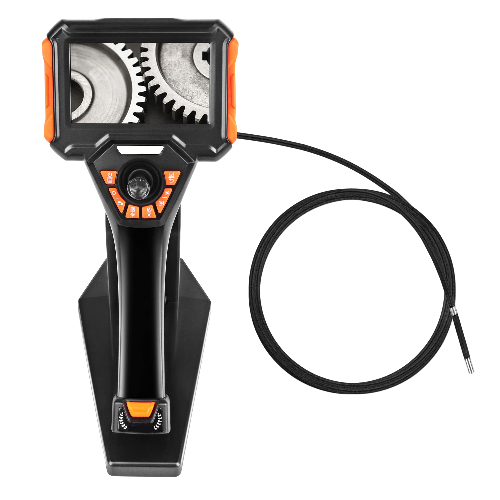
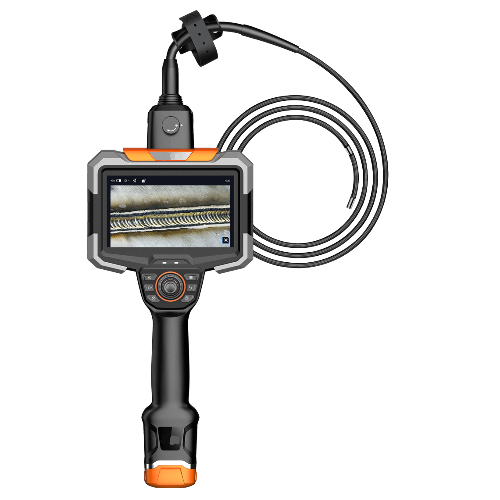
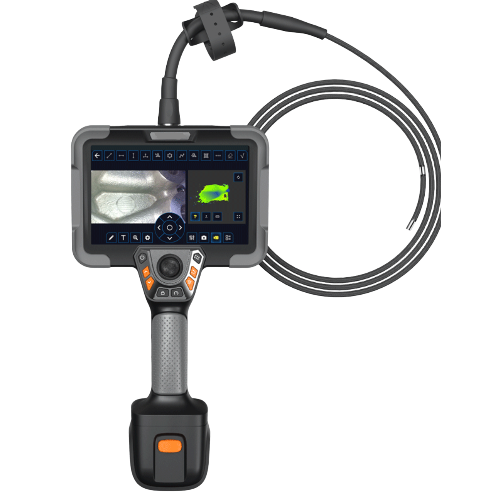
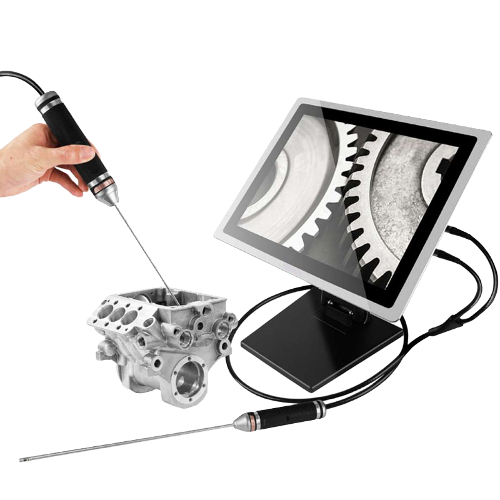
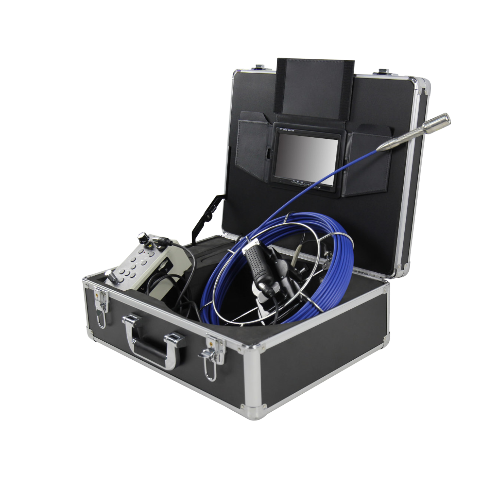
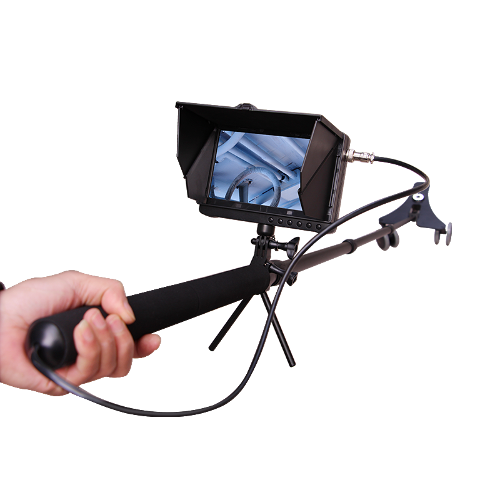
A sewer camera (also called a drain camera, pipeline camera, or CCTV crawler) delivers non-destructive, high-resolution looks inside pipes, ducts, and laterals. Sewer cameras have become a core tool in the industrial non-destructive testing (NDT) field. Below are the five values—municipalities, plumbers, industrial plants, and contractors—actually care about.
Cost Savings: Reducing Inspection and Maintenance Expenses
Minimizing Excavation and Disassembly
Traditional pipeline inspections typically require ground excavation or equipment disassembly, which are costly and time-consuming. Sewer cameras adopt a non-destructive testing method, enabling inspections without damaging the pipeline structure—saving 60-80% of inspection costs.
Preventive Maintenance
Regular endoscopic inspections can detect early issues such as pipeline corrosion and cracks. Preventive maintenance costs are only one-tenth of post-accident repair costs. For example: A refinery used an endoscope to identify early pipe wall thinning, avoiding the full replacement of pipelines worth 12 million RMB (approximately $1.65 million).
Shortening Downtime
Endoscopic inspections do not require production shutdowns, reducing the inspection process from days to hours. Equipment maintenance cycles can be shortened from 15 days to 3 days, significantly minimizing production losses.
Enhanced Safety: Protecting Personnel and Equipment
Hazardous Environment Inspections
Sewer cameras can safely inspect pipelines in high-temperature, toxic, flammable, and other hazardous environments, eliminating the need for personnel to enter dangerous areas directly and ensuring worker safety.
Precise Defect Identification
Modern high-definition (HD) pipeline cameras are equipped with million-pixel cameras, capable of accurately detecting micro-defects in pipelines. This level of precision far exceeds traditional testing methods, providing more reliable data for safety assessments and effectively preventing accidents. In high-risk industries such as nuclear power, this precision advantage is indispensable.
Real-Time Emergency Response
In emergency situations such as pipeline leaks, pipeline cameras can be rapidly deployed. Combined with signal receivers, they can quickly locate fault points and provide accurate information for emergency repairs. This immediacy greatly improves the efficiency and accuracy of emergency responses, gaining valuable time to minimize accident impacts.
Improved Efficiency: Optimizing Inspection Workflows
Instant Visual Inspection
Drain cameras deliver real-time HD images, allowing inspectors to immediately view the internal condition of pipelines without waiting for flushing or preparation work. Traditional pipeline inspections involve complex processes such as shutdowns, cleaning, and disassembly, which can take weeks for a single project. In contrast, sewer camera tests can be conducted while equipment is in operation, reducing inspection time to 1/10 of the original.
360-Degree Comprehensive Inspection
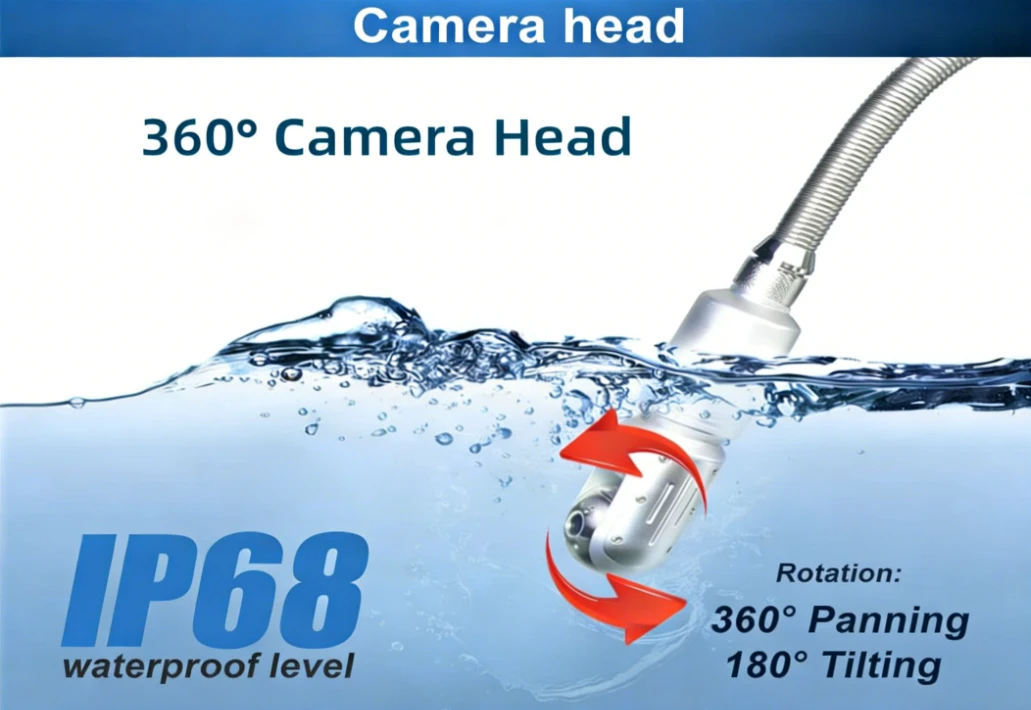
Equipped with 360-degree rotating probes and LED lighting, sewer cameras ensure blind-spot-free inspections of pipeline interiors—especially suitable for elbows and complex structures—enhancing inspection efficiency.
Digital Documentation
Inspection processes can be fully recorded via video and photography, with annotations to generate inspection reports. This facilitates subsequent analysis and archiving, improving work standardization.
Environmental Benefits: Reducing Environmental Impact
Green Testing with Minimal Environmental Disruption
The trenchless technology avoids soil and vegetation damage caused by traditional inspections, making it particularly suitable for pipeline testing in ecologically sensitive areas such as urban green spaces and nature reserves.
Clean Operations with Reduced Pollution Emissions
Traditional testing methods often involve chemical cleaning, mechanical cleaning, and other processes that easily cause secondary pollution. Sewer cameras use physical testing methods, generating almost no pollutants and aligning with the development concept of green manufacturing.
Circular Economy through Resource Conservation
Through precise inspections and predictive maintenance, sewer cameras help enterprises extend pipeline service life by 30-50%, reducing unnecessary equipment replacements and minimizing resource consumption and waste generation at the source.
Social Value: A Critical Pillar for People’s Livelihood Security
Guardian of Urban Safety
Urban underground pipe networks are known as “urban lifelines,” and their safe operation is closely linked to the daily lives of millions of households. Sewer cameras provide technical support for the safe operation of urban pipe networks, safeguarding the normal functioning of cities.
Protection Network for Public Health
In fields such as drinking water supply and food processing, sewer cameras can detect the hygiene conditions inside pipelines, preventing pollutant accumulation and protecting public health and safety.
Vanguard in Emergency Rescue
In emergency scenarios such as natural disasters and accident rescues, pipeline inspection cameras can quickly assess pipeline damage, providing critical information for rescue efforts and minimizing disaster losses to the greatest extent.
Summary
In summary, sewer cameras are not only tools to optimize inspection processes, save costs, and improve efficiency but also uphold the bottom lines of safety, environmental protection, and people’s livelihoods. Whether in industrial production or facility operation and maintenance, they are highly versatile, practical, and reliable—making them a cost-effective choice in non-destructive testing that deserves focused attention across industries.