
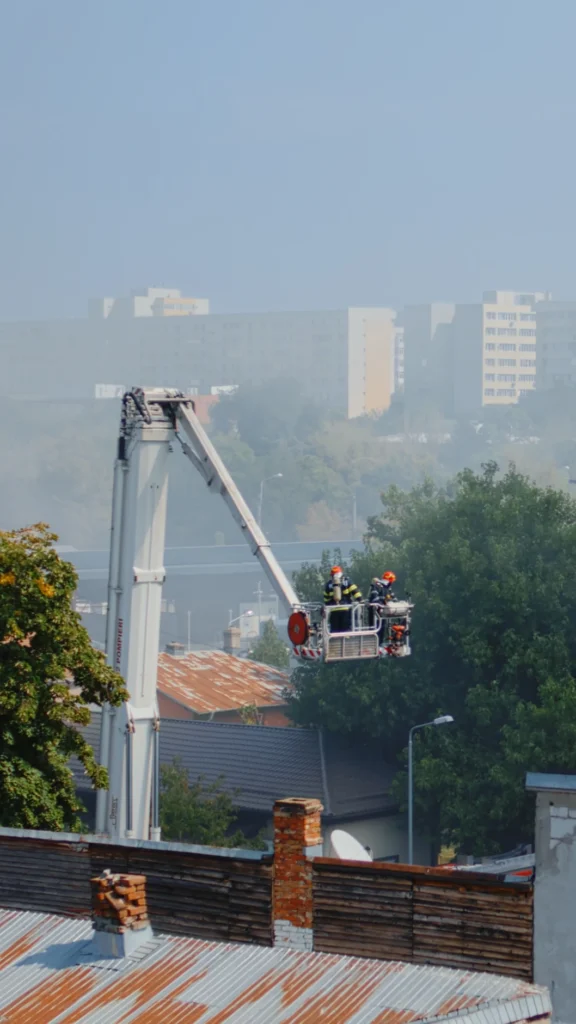
There is a category of vehicle that most people rarely think about, yet which keeps cities running and industries ticking — fire engines, refuse trucks, hazardous goods transporters, emergency repair vehicles. These specialist working vehicles are mechanically complex, largely sealed off from the outside, and routinely pushed hard in the worst possible conditions. When something goes wrong, the consequences tend to be far more serious than with an ordinary vehicle: at best, operations grind to a halt; at worst, public safety is put at risk.
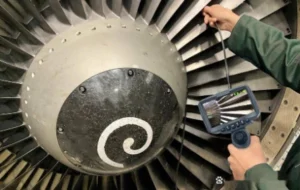
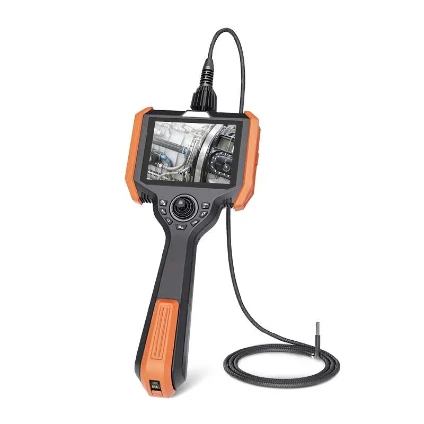
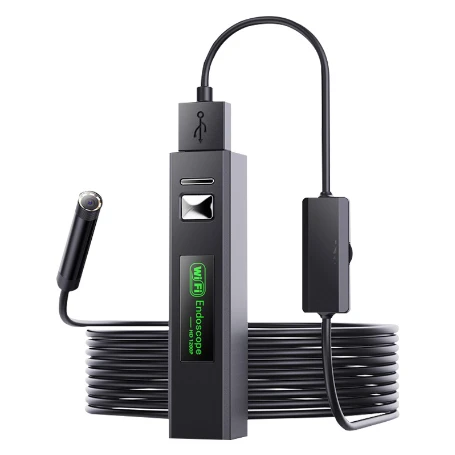
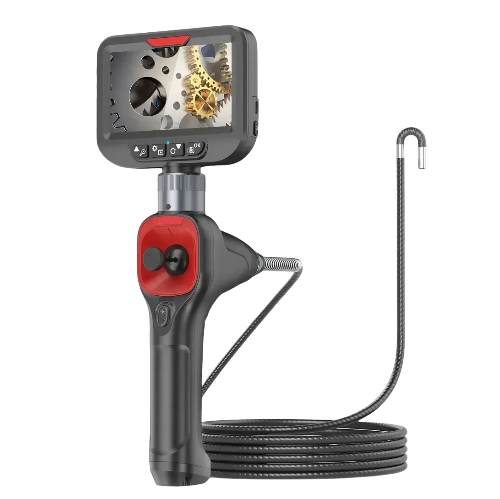
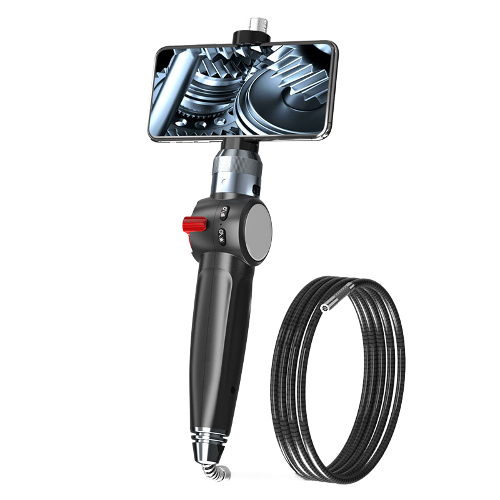
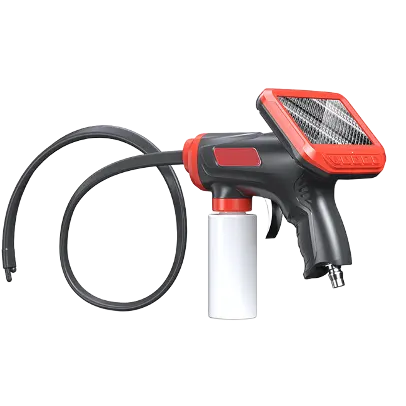
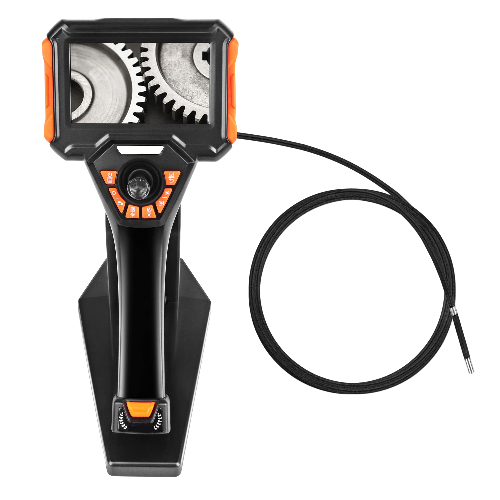
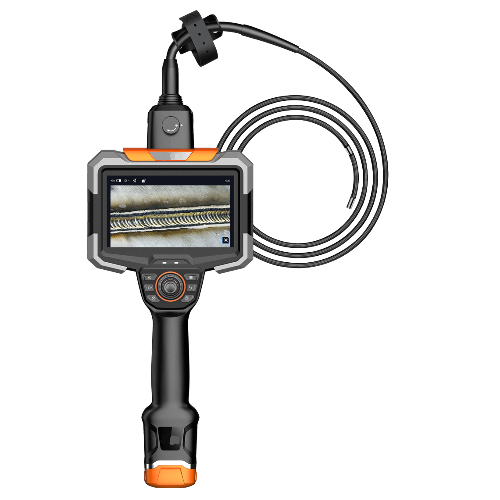
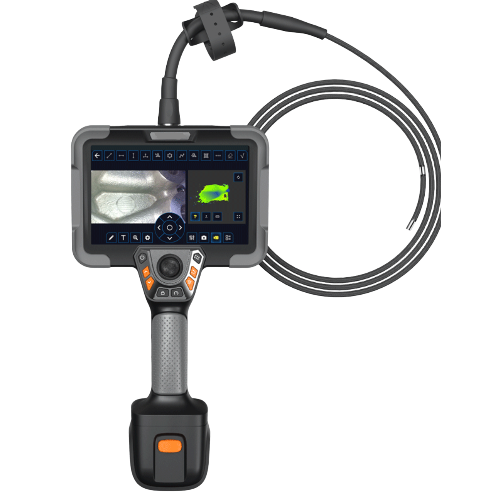
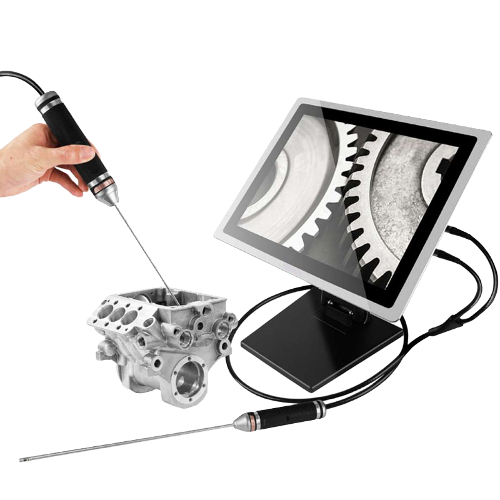
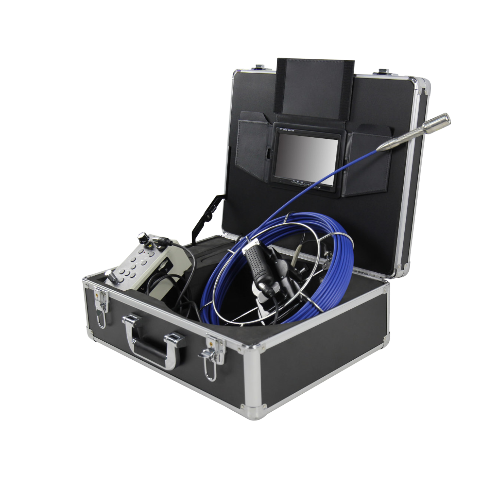
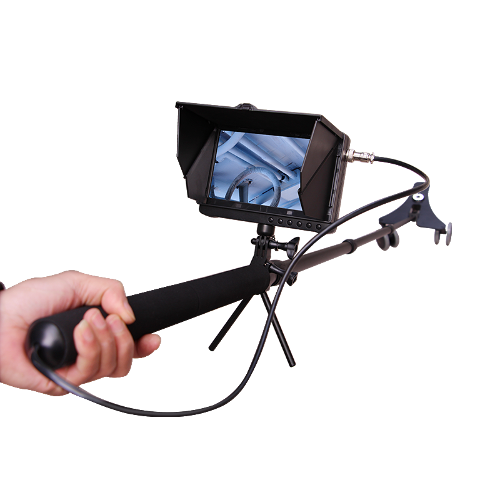
An industrial endoscope is a non-destructive inspection tool — in plain terms, a flexible probe with a camera on the end that can be fed into equipment so that technicians can see exactly what is happening inside without dismantling anything. That capability has made it increasingly indispensable in the routine maintenance of special-purpose vehicles.
What Types of Special-Purpose Vehicle Are We Talking About?
The category is broad. For practical purposes, these vehicles fall into roughly six groups.
Emergency and rescue vehicles — fire engines, ambulances, and rapid-response rescue units — place the highest demands on reliability and response time, and typically incorporate complex systems for high-pressure water delivery, hydraulic support, and multi-function operations. Municipal sanitation vehicles — road sweepers, refuse compactors, water bowsers — work long hours in heavily contaminated environments, and hydraulic wear and corrosion are their most persistent problems. Construction and engineering vehicles, including concrete pumps, mobile cranes, and road machinery, operate under constantly varying loads with intricate mechanical drivetrains that take a particular beating. Hazardous and energy transport vehicles — tankers carrying fuel, liquefied gas, or chemicals — are built around absolute containment, with structural integrity and safety standards that leave no room for compromise. Traffic enforcement and patrol vehicles have their own demands around sustained powertrain reliability. Then there are highly specialised support vehicles: aircraft tugs, mobile communications units, aerial work platforms — purpose-built machines with tightly integrated systems.
What all of these have in common is that their critical components are deeply buried, thoroughly sealed, and simply invisible to the naked eye. Conventional inspection methods struggle to cope.
What Can an Industrial Endoscope Actually Inspect?
Engine internals
The engine is the heart of the vehicle, and its condition determines whether the vehicle can do its job. Feeding an endoscope probe into the combustion chamber gives a clear view of cylinder wall scoring, piston carbon deposits, valve sealing, and fuel injection spray patterns. Damage to turbocharger blades or abnormal carbon build-up can also be spotted. For fire engines and emergency response vehicles that must be ready to start at a moment’s notice, this kind of inspection is particularly critical.
Hydraulic systems and actuators
Lifting, compressing, supporting, spraying — a great deal of what special-purpose vehicles actually do depends on hydraulic systems. Hydraulic cylinders and valve bodies are entirely enclosed, which means scoring on internal walls, corrosion, degraded seals, sludge in the oil passages, and stuck valve spools can go completely undetected until something fails mid-operation. An endoscope can reach directly into these sealed spaces, substantially reducing the need for strip-down inspections and making the whole maintenance process considerably more efficient.
Sealed tanks and pipework
On fuel tankers and fire engine foam systems, the tank and its associated pipework are both the most critical and the highest-risk components. An endoscope can examine internal wall corrosion, weld cracking, sediment accumulation, blockages, and crystallisation in the lines, as well as the condition of internal coatings and early signs of leakage. On fire engine foam systems specifically, whether residue has been thoroughly flushed, whether mixing lines are clear, and whether long-term fatigue is developing in the structure are all questions that simply cannot be answered from the outside. Since entering a tank to carry out this kind of inspection is generally not permitted on safety grounds, the endoscope is effectively the only viable option.
Drivetrain and chassis
Extended high-load operation takes a steady toll on drivetrains and chassis structures. Gear wear and pitting in the gearbox, differential lubrication, bearing condition, and propshaft universal joint play are all inspectable with an endoscope. Hard-to-reach areas of the chassis — bracket cracking, weld fatigue, metal corrosion — can be checked at the same time. On refuse vehicles and emergency repair trucks, these hidden faults are often what brings a vehicle to an unexpected standstill.
Exhaust aftertreatment systems
As emissions regulations tighten, aftertreatment systems have become a more demanding maintenance priority. Whether the DPF is blocked, whether urea crystallisation has occurred in the SCR system, the extent of catalytic converter fouling, exhaust pipe corrosion and leaks — left undetected, these issues can result in torque or speed restrictions at best, and a failed emissions test at worst. An endoscope makes it possible to check all of this without dismantling anything, saving both time and money.
What Are the Practical Benefits?
Greater reliability and operational readiness
Regular endoscope inspection of critical systems allows problems to be caught before they develop into failures, significantly reducing the risk of unexpected breakdowns. For fire and rescue vehicles that must be ready to deploy at any hour, this is not merely convenient — it is essential.
Lower maintenance costs and less downtime
Traditional servicing relies on extensive disassembly, which is time-consuming, expensive, and carries the risk of causing additional damage in the process. Endoscope inspection requires no dismantling, uses fewer labour hours, and reduces wear on components. For operators running large fleets, the cumulative savings are considerable.
Moving from reactive to proactive maintenance
Inspection data gathered over time builds a picture of how components are wearing, making it possible to plan maintenance around actual equipment condition rather than waiting for something to break. Schedules become better informed, resources are used more efficiently, and the overall maintenance strategy becomes far more rational.
Stronger safety management and regulatory compliance
For hazardous goods transporters and emissions-regulated vehicles, the visual records produced by endoscope inspections serve as concrete evidence of structural integrity and compliance status — useful both for internal audit purposes and for demonstrating conformity to regulators.
What Should You Look for When Choosing Equipment?
The range of inspection tasks across different vehicle types is considerable, so equipment selection needs to be driven by actual working requirements rather than specifications alone.
Probe manoeuvrability should be the first consideration. Engine bays, hydraulic lines, tanks, and chassis all present very different access challenges, and a probe that cannot steer freely will simply be unable to reach many of the locations that matter. Probes with 360° articulation cope far better with tight bends and confined spaces. Probe diameter also needs to match the application: finer probes suit engines and injector systems, while larger-diameter probes are more appropriate for tanks and wide-bore pipework.
Image quality is what ultimately determines whether a fault can actually be found. Combustion chambers and sealed tanks are entirely dark, enclosed spaces, and the demands on both resolution and lighting are high. Equipment with 1080p resolution or above is advisable, and the lighting system needs to be consistent — poor illumination makes it easy to miss cracks, carbon deposits, and surface deterioration.
The working environment of special-purpose vehicles is harsh almost by definition: oil, moisture, corrosive fluids, and mechanical vibration are all routine. The insertion tube material and construction directly affect service life; tungsten-braid or high-strength composite construction offers better wear and corrosion resistance for high-frequency use. An overall IP67 protection rating is a sensible minimum for outdoor and emergency deployment.
Finally, for operators who want to build up a maintenance history for each vehicle, equipment that supports image and video storage, measurement annotation, and data export will make record-keeping considerably more straightforward and allow inspection results to be compared over time.
Conclusion
Special-purpose vehicles are a cornerstone of urban operations and industrial safety. The more complex the engineering and the more demanding the conditions, the harder they are to maintain. Industrial endoscopes — by providing a direct view inside sealed and inaccessible spaces — cover the engine, hydraulic, drivetrain, tank, and exhaust systems that matter most, and address the fundamental maintenance challenge of components that are out of sight, out of reach, and difficult to assess by experience alone. They are fast becoming a standard part of the inspection and preventive maintenance toolkit for special-purpose vehicles across the board.