
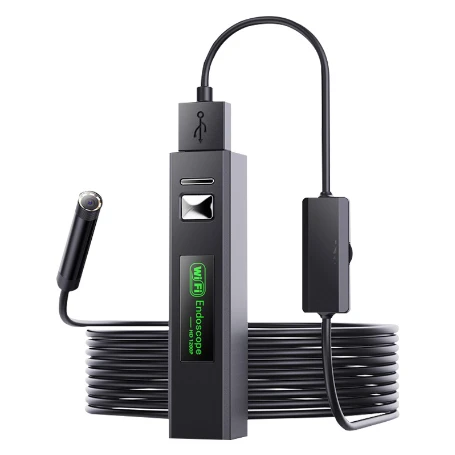
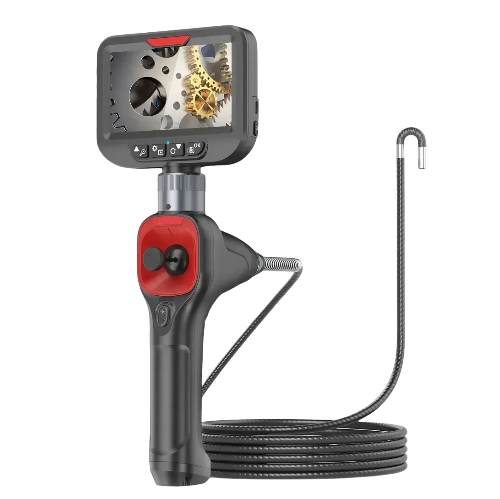
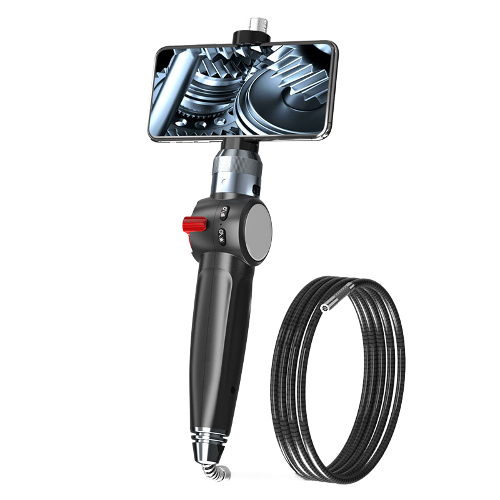
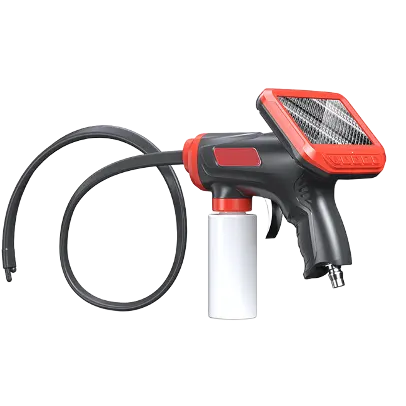
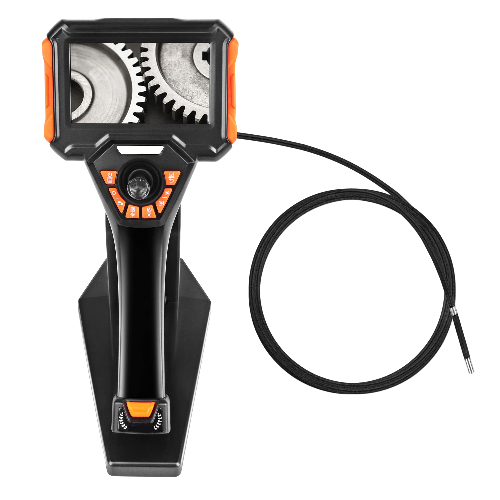
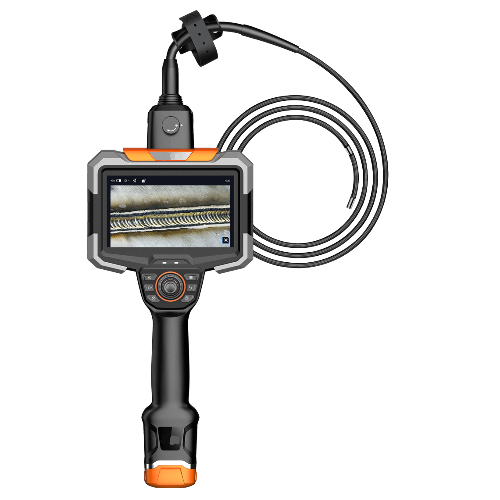
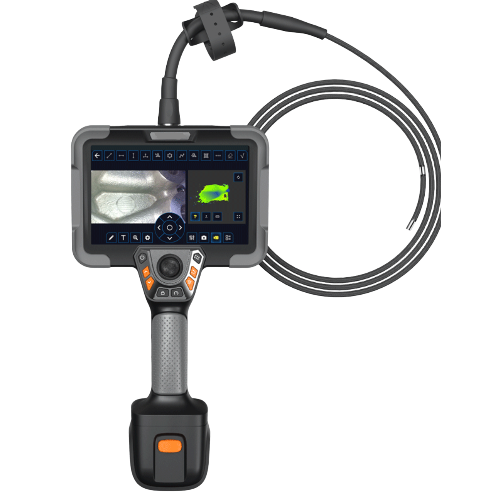
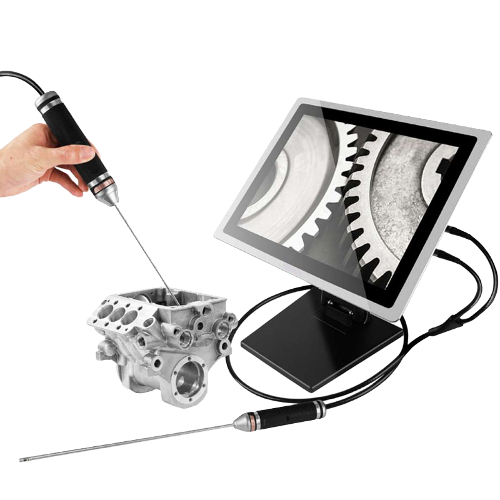
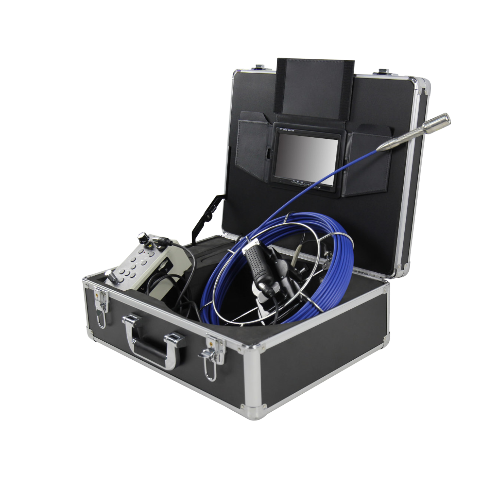
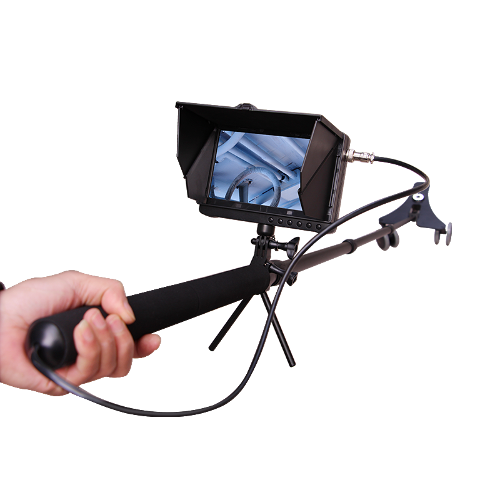
The motorcycle engine serves as the core component of motorcycles; its performance and overall condition are critical to riding safety and core to a manufacturer’s product reliability. The industrial endoscope—a “visual inspection hero” for quality inspection during production and diagnostic testing during maintenance—allows for precise access to hidden areas without disassembly, keeping riders safe on the road and helping manufacturers ensure reliable product quality.
In Maintenance: Efficient Inspection for Motorcycle Engines & Critical Components
In the maintenance field, industrial borescopes serve as highly efficient tools for inspecting motorcycle engines and critical components. By inserting a probe through the spark plug hole or a designated inspection port—No need to dismantle the engine—technicians can visually assess internal operating conditions, thereby effectively avoiding time-consuming disassembly and the risk of secondary damage to parts.
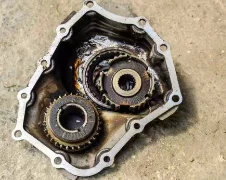
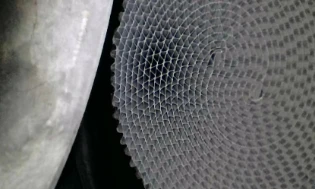
These devices enable precise inspection of core components such as cylinder walls, pistons, valves, and combustion chambers, allowing for the detection of potential hazards including cracks, corrosion, carbon buildup, burrs, and abnormal wear. Furthermore, they can reach deep into concealed areas—such as the engine block and oil passages—to quickly pinpoint various internal defects. Regarding exhaust system components—including exhaust pipes, mufflers, and catalytic converters—endoscopes provide clear visibility of internal corrosion, cracks, blockages, or foreign object residues, facilitating the timely identification of potential failure points.
Additionally, they help diagnose hard-to-find electrical faults and potential short-circuit risks, eliminating guesswork & unnecessary part replacements, significantly enhancing both the accuracy and efficiency of maintenance operations.
In Production & Quality Inspection: Ensuring Motorcycle Factory Quality
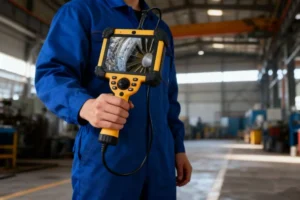
In the production and quality inspection phases, industrial endoscopes serve as a critical tool for controlling the outgoing quality of motorcycles. They support full quality control processes—from assembly checks and casting inspections to final part sampling.
Upon the completion of engine assembly, endoscopes enable precise verification to detect issues such as misplacement, omission, or duplication of components—including bolts and gaskets—thereby strictly ensuring assembly precision. Furthermore, regarding core cast components such as engine blocks and cylinder heads, these devices efficiently detect casting defects—such as entrapped sand, porosity, burrs, and deformation within internal cavities—effectively preventing defective parts from entering the final assembly stage.
At the same time, endoscopes enable random outgoing inspections of a motorcycle’s oil circulation system and other components, precisely detecting tiny defects like metal shavings and burrs. This ensures strict quality control from the source and secures the overall reliability of finished motorcycles upon its release from the factory.
Core Advantages of Industrial Endoscopes for Motorcycle NDT
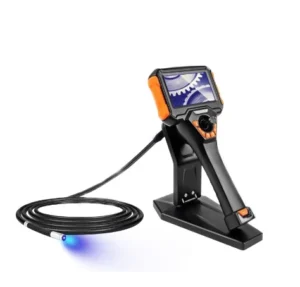
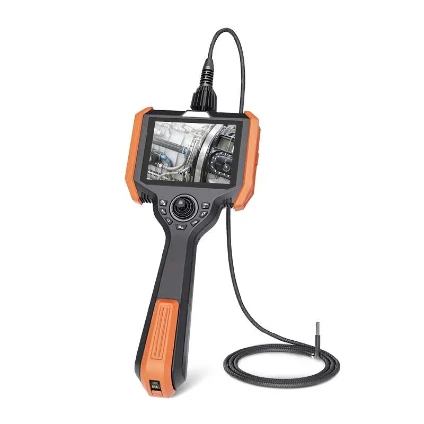
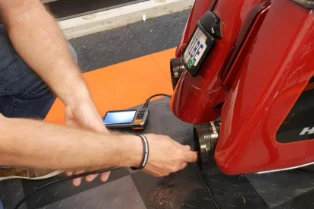
As an essential NDT tool, industrial endoscopes deliver far more than non-disassembly inspection and lower disassembly-repair costs. Equipped with high-definition imaging and a 360° articulating probe, they accurately detect even the tiniest defects and easily navigate the tight, confined spaces inside motorcycle engines, greatly improving inspection efficiency. They are also waterproof, dust-proof and highly portable. With some models supporting direct connection to mobile devices, they adapt flexibly to a wide range of scenarios, from repair shops to production sites.