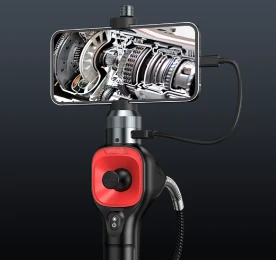

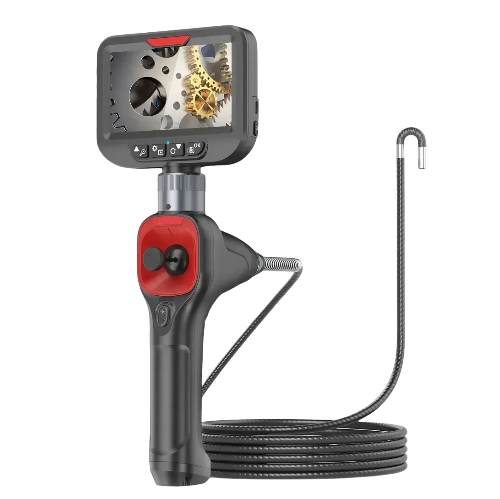
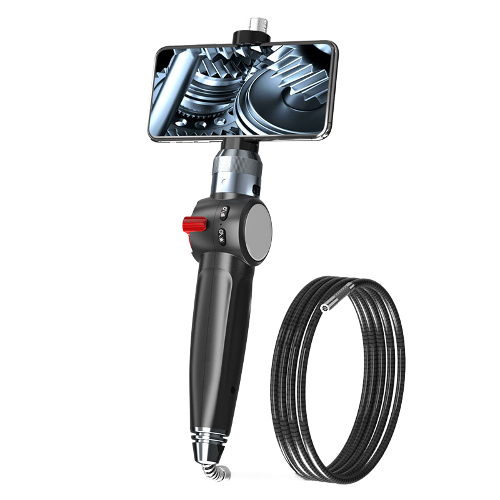
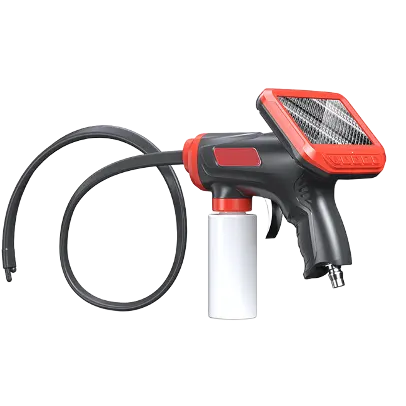
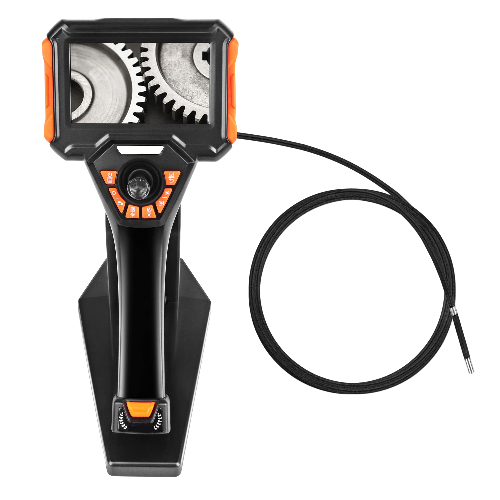
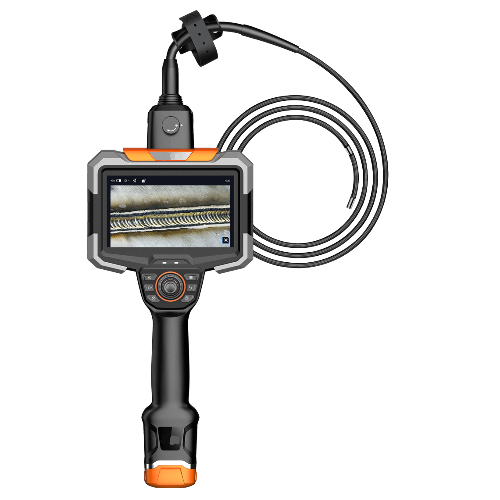
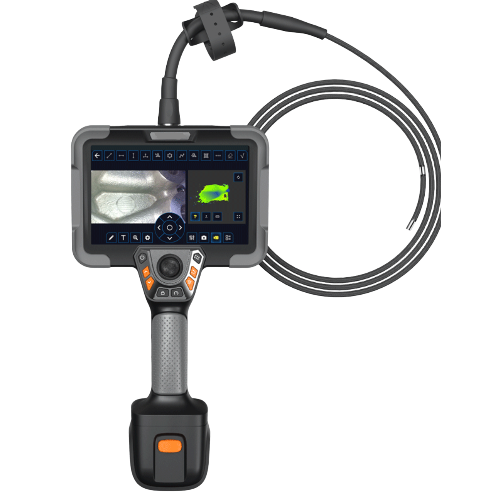
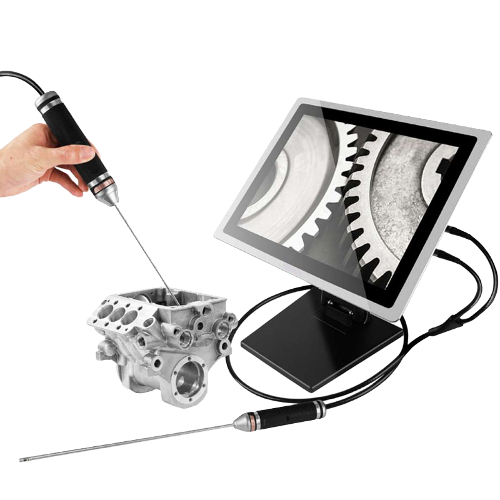
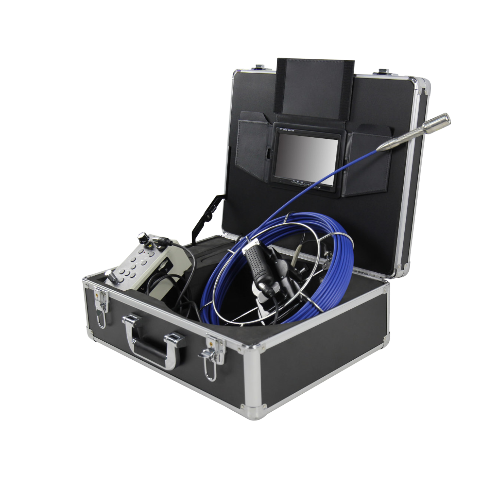
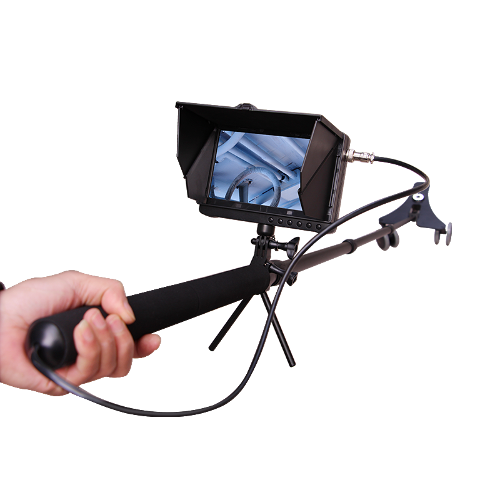
With continuous upgrading of industrial production equipment and processing technology, microscopic inner-space inspection has turned into a tough challenge for modern industrial non-destructive testing. Benefiting from technical innovations, ultra-thin borescopes smoothly access tiny holes, deep narrow channels and confined cavities down to 1mm in size, evolving into indispensable inspection tools for high-end manufacturing covering aerospace, auto fuel injector detection, medical apparatus and precision electronics.
Definition of Ultra-thin Borescope
The ultra-thin borescope is specialized high-end NDT equipment customized for ultra-narrow inner environments. Featuring ultra-miniature probe diameter (minimum 0.8mm or even smaller), it navigates into confined spaces unreachable by ordinary inspection instruments. Fitted with high-definition image sensor and high-brightness supplementary lighting, it realizes clear visual non-destructive observation of hidden internal structural details.
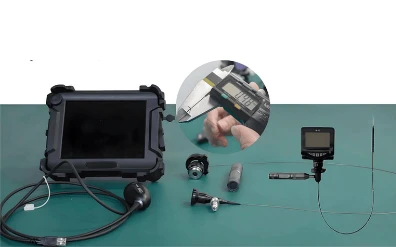
Five Core Structural Components
The term “ultra-thin” mainly refers to the outer diameter of the front-end detection probe; mainstream ultra-thin models break below 1.0mm, with advanced products shrinking to 0.48mm minimum diameter.
Insertion Tube Assembly
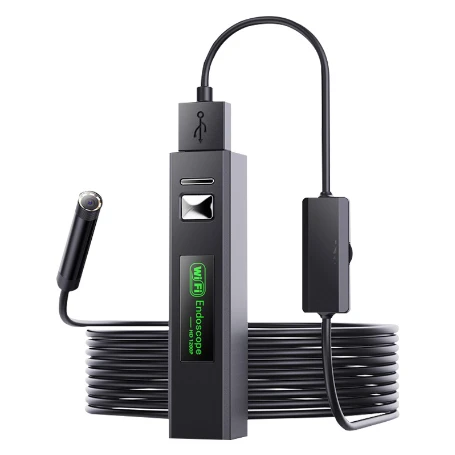
The probe tip integrates miniature CMOS image chip, compact high-brightness LED light source and built-in signal transmission wire. The tube body adopts tungsten wire braiding plus wear-resistant composite polymer material, delivering outstanding bending flexibility and abrasion resistance. It retains stable structural strength under ultra-small caliber and safely stretches into intricate micro-cavities without damage.
Optical Imaging System
Configured with high-pixel imaging module and matched display screen, it outputs real-time sharp high-definition pictures of internal workpiece features.
Main Controller & Processing Host
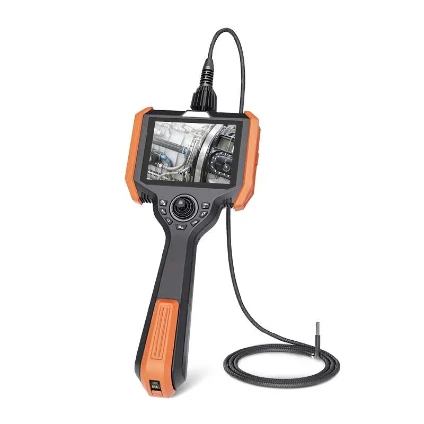
Consists of operation controller, functional shortcut keys and image processing unit, serving as the equipment’s command center for display parameter adjustment, photo/video capture and local data storage.
Steering & Positioning Mechanism
Given the extremely confined working space of ultra-thin probes, most products adopt flexible passive bendable design without active motorized articulation structure.
Protective Structure & Data Interfaces
Probe and insertion tube adopt integrated waterproof, dustproof and oil-proof industrial protection to adapt to complicated harsh inspection sites. Reserved HDMI, USB and SD card slots guarantee stable image transmission and convenient offline data export.

Industry Development Prospect
The iterative upgrade of ultra-thin industrial borescopes marks a vital developing direction for the global NDT industry. Thanks to superior access capability into micro clearances, such equipment optimizes inspection standards and accelerates technical upgrading across aerospace, automotive production, precision machinery and electronic manufacturing sectors.