
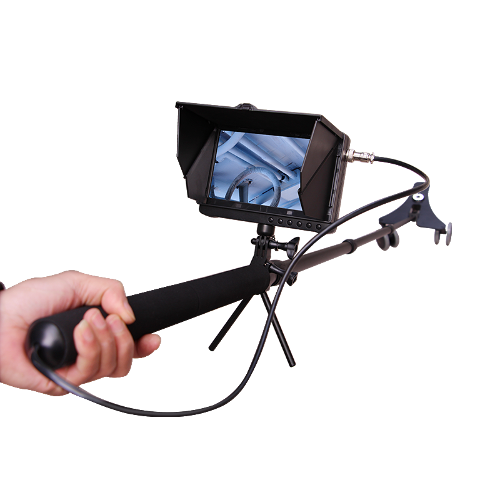
In high‑risk operating environments such as petrochemical plants, power generation facilities, aviation maintenance operations, and mining sites, internal equipment inspection faces a fundamental challenge: inspectors must be able to see clearly without creating an ignition risk.
A conventional borescope operating inside a confined space containing flammable gases, vapours, or combustible dust may generate electrical sparks or excessive surface temperatures, potentially leading to catastrophic consequences. This is precisely why explosion‑proof industrial borescopes exist. They allow inspectors to safely assess internal equipment conditions without shutting down systems, dismantling components, or exposing personnel directly to hazardous environments.
Based on real‑world inspection requirements across multiple high‑risk industries, this article examines the key application scenarios for explosion‑proof industrial borescopes, helping equipment managers, safety engineers, and procurement professionals understand when explosion‑proof equipment is required, what challenges it addresses, and which technical factors should be considered during selection.
What Is an Explosion‑Proof Industrial Borescope?
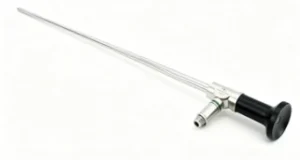
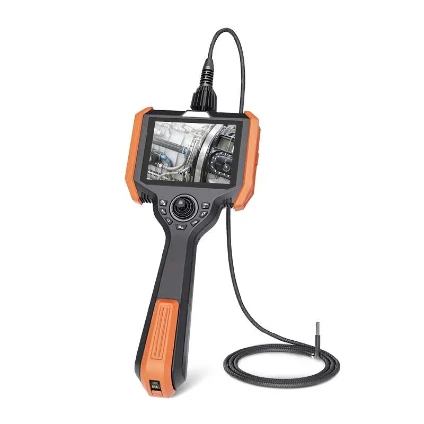
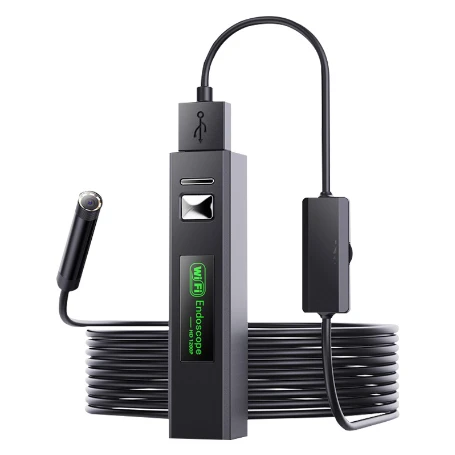
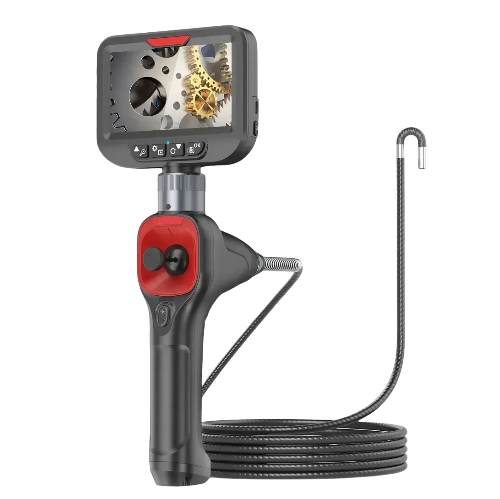
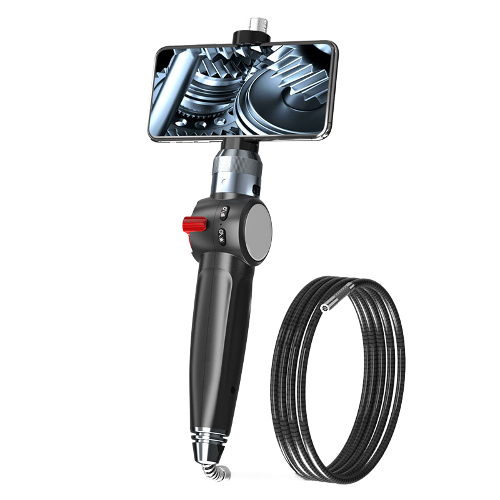
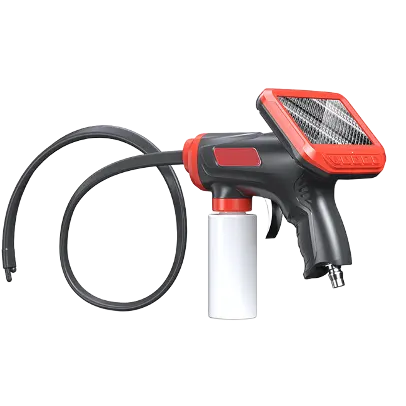
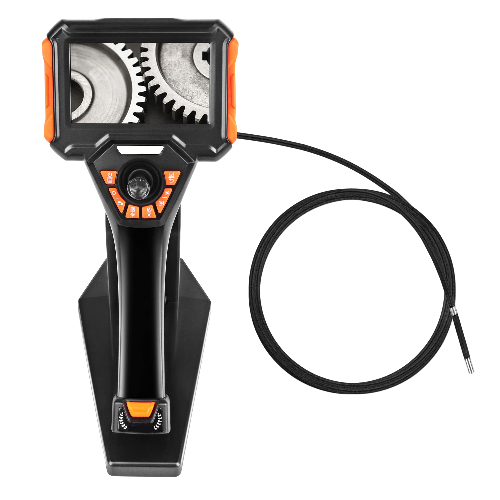
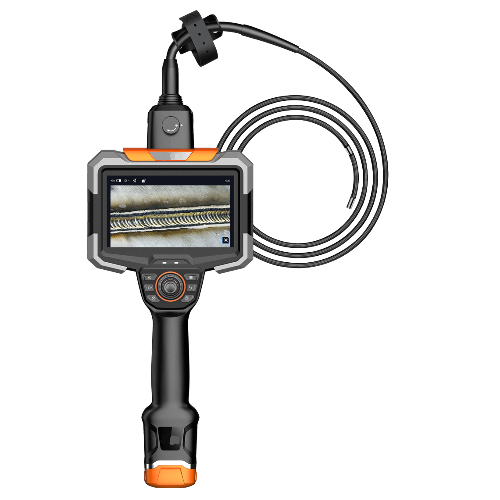
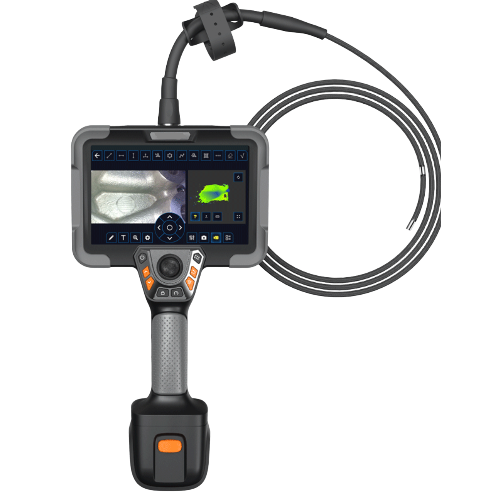
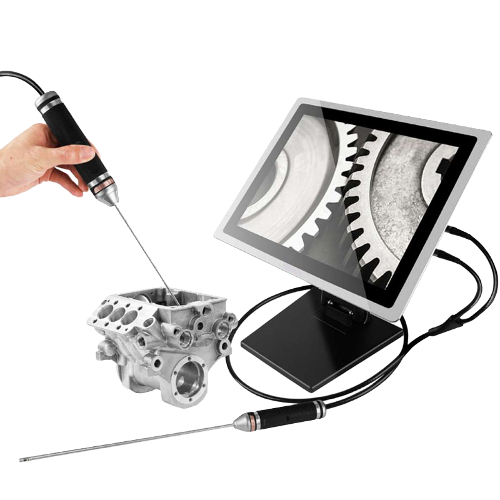
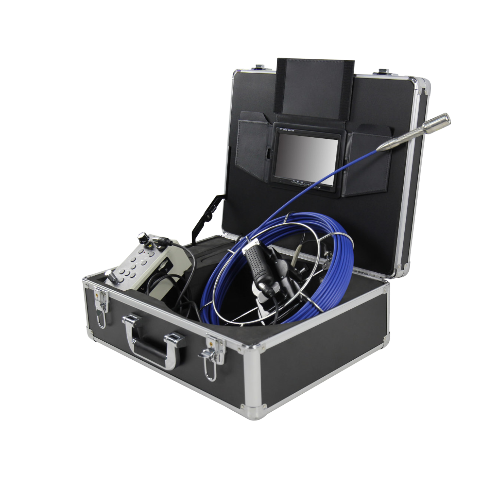
An explosion‑proof industrial borescope is a non‑destructive testing (NDT) instrument specifically designed for use in hazardous environments containing potentially explosive atmospheres.
The primary difference between an explosion‑proof borescope and a standard industrial borescope is that the entire system—particularly the probe tip and electrical components—has been certified to international explosion‑protection standards such as ATEX and IECEx. These certifications verify that the equipment can be safely operated in designated hazardous areas (Zone 0, Zone 1, and Zone 2) without becoming an ignition source due to electrical faults, static discharge, or excessive surface temperatures.
When evaluating whether a borescope is genuinely explosion‑proof, three factors should always be verified:
Certification Rating
Confirm that the equipment has been certified by an accredited third‑party body and that its gas group classification (e.g., IIA, IIB, or IIC) and temperature class (T1–T6) match the actual site conditions.
Intrinsically Safe Circuit Design
Verify that the probe, insertion tube, and control unit employ intrinsically safe electrical circuits designed to eliminate spark generation, even under fault conditions.
Construction and Materials
The housing should provide anti‑static properties, impact resistance, and chemical corrosion resistance to minimise the risks associated with friction‑generated sparks and harsh industrial environments.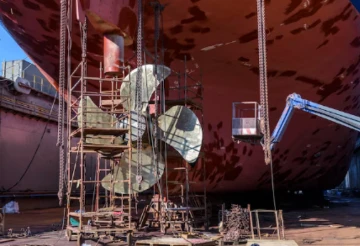
Six Key Application Scenarios
Petrochemical Industry: Pipelines, Storage Tanks, and Reactors
Reactors, storage vessels, and process pipelines in petrochemical facilities operate under conditions involving high temperatures, high pressures, corrosive media, and the constant presence of flammable gases.
Traditional inspections often require plant shutdowns, gas purging, confined‑space entry permits, and hot‑work procedures, resulting in significant costs and extended downtime.
Explosion‑proof industrial borescopes enable inspectors to examine internal conditions without hot work or confined‑space entry. They can identify weld defects, corrosion pitting, scale build‑up, and foreign‑object blockages, providing valuable data for condition‑based maintenance while minimising personnel exposure to hazardous substances.
Power Generation Facilities: Transformers, Switchgear, and Generators
Transformer tanks, high‑voltage switchgear, and generator assemblies contain confined internal spaces where manual inspection can present electrical hazards and operational risks.
Using flexible explosion‑proof borescope probes, maintenance personnel can inspect internal components with minimal disassembly and, in some cases, during short planned outages rather than extended shutdowns.
Typical inspection targets include:
- Insulation degradation
- Signs of overheating on terminals and connections
- Dust accumulation
- Foreign object intrusion
Early detection helps reduce the likelihood of unexpected outages and costly equipment failures.
Aviation Engines and MRO Operations
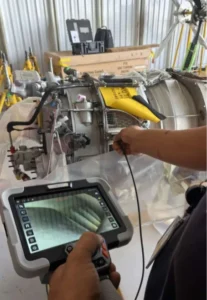
In aviation borescope inspections, explosion protection can be equally important. Aircraft maintenance hangars and fuel‑system service areas frequently contain flammable substances that require strict safety controls.
Engineers use borescopes to inspect critical components such as:
- High‑pressure turbine (HPT) blades
- Combustion chambers
- CMC (Ceramic Matrix Composite) shrouds
- Compressor stages
These inspections allow maintenance teams to evaluate blade cracking, thermal distress, erosion, and foreign object damage (FOD) without removing the engine.
Aviation applications place exceptionally high demands on image quality, probe articulation, and measurement accuracy, as inspection findings directly influence airworthiness decisions.
Mining and Underground Operations
Underground mining environments present one of the most challenging inspection conditions due to the combined presence of methane gas and combustible coal dust.
Explosion‑proof borescopes equipped with dual‑lighting systems and rugged shock‑resistant designs can be deployed within:
- Ventilation systems
- Electrical equipment
- Rail transport infrastructure
- Hydraulic roof supports
Even in low‑light, high‑dust environments, inspectors can obtain clear visual data to identify developing defects before they become serious safety hazards.
Shipbuilding and Offshore Engineering
Marine engine rooms, fuel systems, ballast tanks, and structural compartments are characterised by confined spaces, complex layouts, high humidity, and continuous salt‑induced corrosion.
Explosion‑proof borescopes used in marine environments typically feature IP67 or higher environmental protection ratings, enabling reliable operation under harsh offshore conditions.
Applications include inspection of:
- Marine engines
- Fuel delivery systems
- Internal piping
- Structural welds
- Tank compartments
These inspections help reduce the risk of unexpected failures during offshore operations while minimising disassembly requirements.
High‑Temperature Industrial Applications: Boilers and Gas Turbines
Boiler waterwalls, gas turbine blades, and high‑temperature process piping often operate at temperatures reaching several hundred or even over one thousand degrees Celsius.
Such environments exceed the operating limits of standard borescope probes.
Inspection systems used in these applications must combine:
- High‑temperature‑resistant materials
- Special alloy construction
- Integrated cooling technologies
- Explosion‑proof certification
This combination allows maintenance teams to identify early‑stage cracking, corrosion, fouling, and material degradation before they lead to costly failures or safety incidents.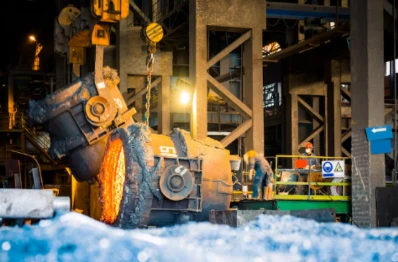
Conclusion
The true value of an explosion‑proof industrial borescope lies in replacing assumption with direct visual evidence.
Across petrochemical facilities, power plants, aviation MRO operations, mining sites, shipyards, and high‑temperature industrial environments, these instruments enable inspectors to obtain reliable internal condition data without compromising personnel safety.
As certification standards continue to evolve and imaging technologies advance, the scope of explosion‑proof borescope applications continues to expand.
For equipment owners and maintenance professionals, successful selection depends on understanding the specific hazard classification of the operating environment and evaluating factors such as:
- Explosion‑protection certification coverage
- Temperature and pressure resistance
- Imaging and measurement capabilities
- Environmental protection rating
- Supplier application expertise
- Long‑term technical support and service availability
Taking these factors into account helps organisations avoid costly mis‑specification, duplicate purchases, and operational inefficiencies.
If you are evaluating a borescope for a specific inspection application, factors such as process media, operating temperature, access distance, and hazardous‑area classification should all be considered to ensure the most appropriate solution is selected.
Frequently Asked Questions (FAQ)
- Q: What is the difference between an explosion‑proof industrial borescope and a standard industrial borescope?
- A: The main difference is certification and safety design. Explosion‑proof borescopes are certified to standards such as ATEX and IECEx and incorporate intrinsically safe circuitry. Standard borescopes may become ignition sources in hazardous environments due to electrical faults, static discharge, or excessive surface temperatures.
- Q: In what environments is an explosion‑proof borescope required?
- A: Explosion‑proof borescopes should be used in any location classified as a hazardous area due to the presence of flammable gases, vapours, or combustible dust. Typical examples include petrochemical facilities, oil and gas storage tanks, underground mines, and certain aviation maintenance environments. The required protection level should always be determined according to the site’s hazardous‑area classification.
- Q: How should explosion‑proof certification ratings be interpreted?
- A: Explosion‑protection markings typically include protection type (e.g., Intrinsic Safety – Ex ic), gas group classification (IIA, IIB, or IIC), temperature class (T1–T6). All three elements must be matched against the actual gases present and the operating temperatures of the intended environment, rather than simply verifying that the equipment carries an explosion‑proof label.
- Q: What temperatures can explosion‑proof borescopes withstand?
- A: Operating temperature limits vary significantly between models. Standard probes typically operate between approximately -25°C and 100°C, while specialised systems designed for boilers and gas turbines may withstand several hundred degrees Celsius through the use of cooling systems and high‑temperature alloys. Selection should always be based on the maximum expected operating temperature, with an appropriate safety margin included.
- Q: Why are explosion‑proof borescopes sometimes required for aviation engine inspections?
- A: Aircraft maintenance facilities and fuel‑system service areas may contain flammable substances that require explosion‑protected equipment. In addition, aviation inspections demand exceptionally high image quality, articulation precision, and measurement accuracy because inspection findings directly affect airworthiness assessments of critical engine components.
- Q: Beyond technical specifications, what should buyers consider when purchasing an explosion‑proof borescope?
- A: Technical support should be evaluated alongside product specifications. Consider whether the supplier provides application‑specific selection guidance, operator training, spare parts availability, calibration and maintenance services, responsive after‑sales support. Because explosion‑proof borescopes are long‑term capital assets, supplier expertise and support capabilities often have a greater impact on operational success than specification comparisons alone.