

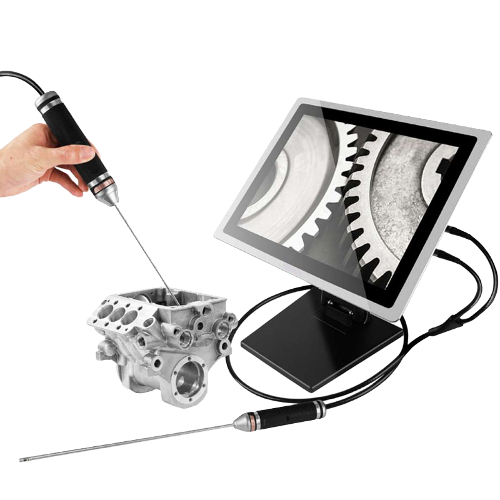
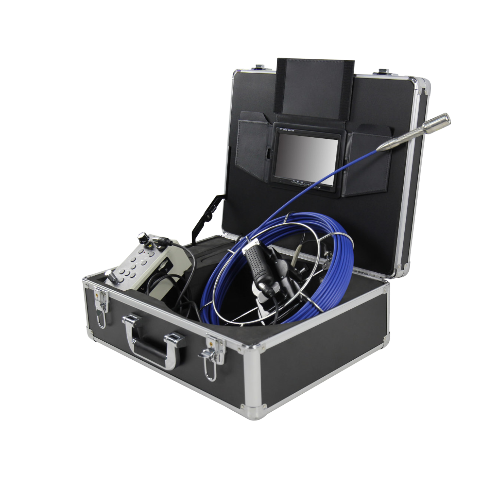
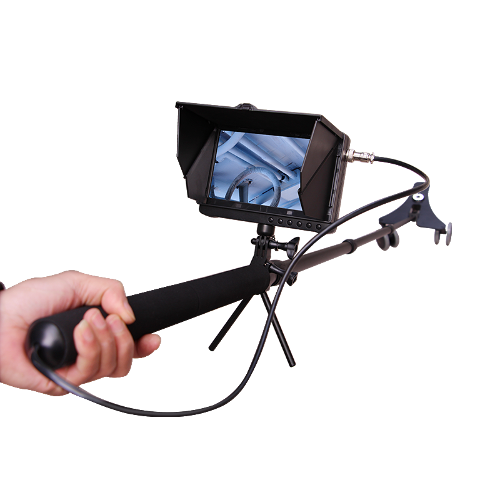
The aircraft engine is the “heart” of the airplane, and its performance directly impacts flight safety and operational efficiency. Currently, predictive maintenance has become the mainstream approach for aviation equipment operation and maintenance. However, traditional inspection methods often require disassembling numerous components, which wastes time and manpower and risks secondary damage. Nowadays, industrial borescopes serve as the core tool for visual non-destructive testing, enabling disassembly-free precise troubleshooting, and providing an efficient, intelligent solution for predictive maintenance in the aerospace industry.
Why Industrial Borescopes Excel in Aerospace Predictive Maintenance
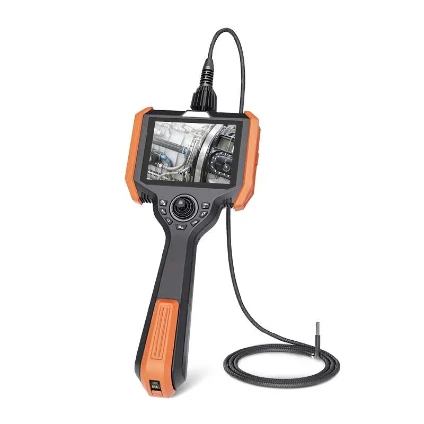
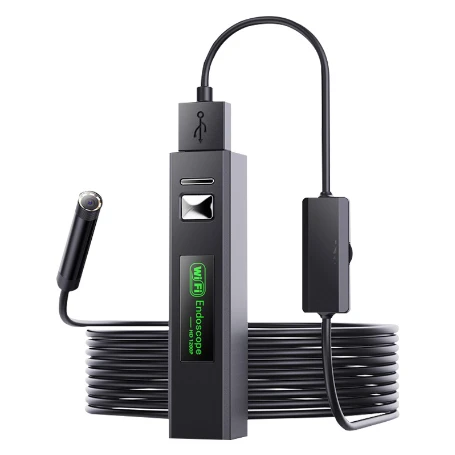
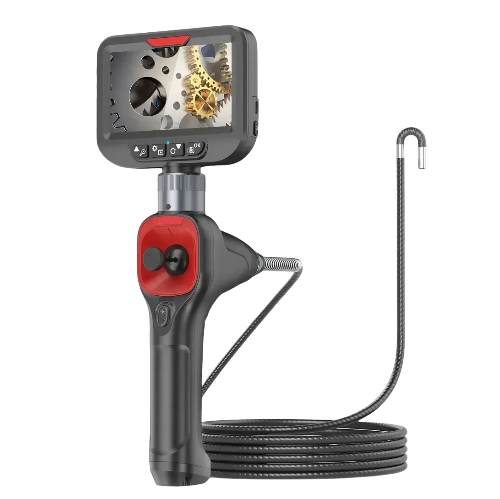
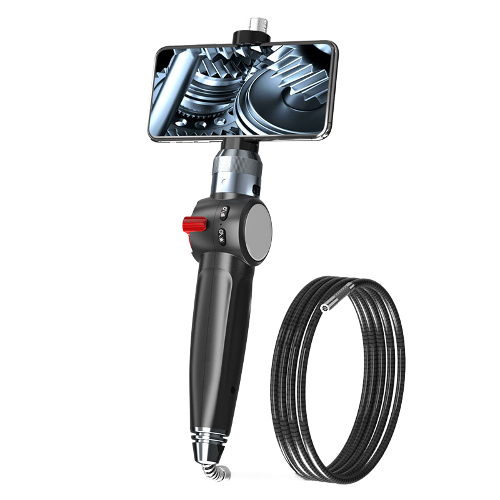
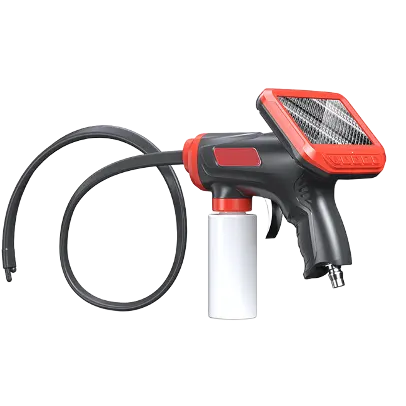
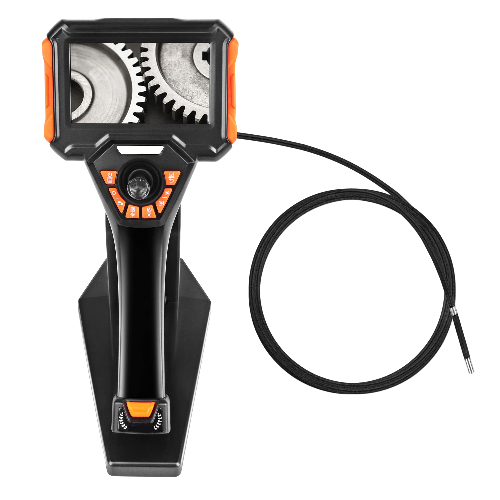
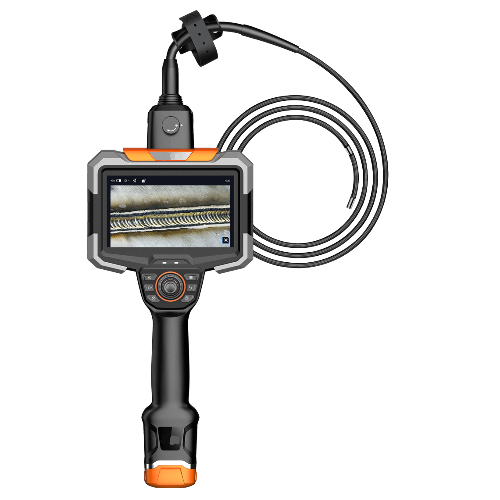
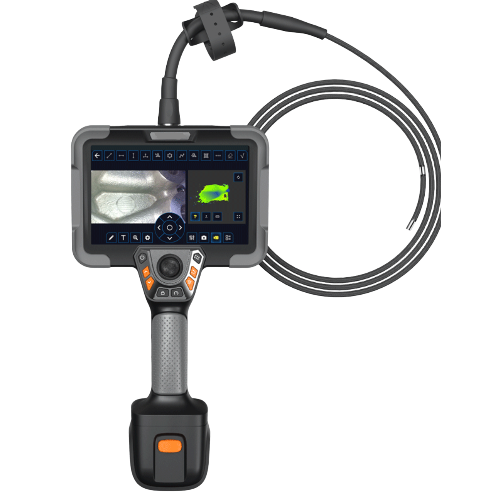
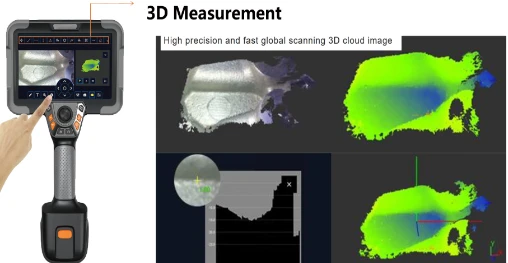
Industrial borescopes adopt high-resolution imaging lenses, featuring a probe diameter ranging from 1mm to 8mm and 360° rotation, enabling flexible access to narrow and hidden spaces such as aero engine turbine blades and combustion chambers. Built-in LED cold light source ensures high-definition imaging even in dark internal cavities. Additionally, it supports optional 3D measurement modules and AI recognition, allowing quantitative analysis of tiny defects like initial cracks, internal corrosion, blade carbon deposits, and foreign object debris (FOD) embedding to realize early fault warning. With superior NDT performance, industrial borescopes cover the full life-cycle maintenance workflow, including routine internal inspections of aircraft engines, dynamic tracking of existing defect development trends, and internal quality verification after component repairs.
Where Industrial Borescopes Are Applied in Aerospace Predictive Maintenance
Industrial borescopes support regular or on-demand inspection of aircraft engines, airframe structures and fuel systems. Their probes can reach core areas including engine turbines, combustion chambers, air intake ducts and APUs to detect cracks, carbon accumulation, wear and other hidden defects. They also inspect aircraft structural parts such as weld joints and brackets to verify welding quality and discover material corrosion and fatigue hazards in advance. Moreover, the slim probes can penetrate intricate narrow fuel pipelines to check internal contamination, blockages and corrosion, thoroughly eliminating potential flight safety risks.
Industrial borescopes act as core testing equipment for aircraft engine predictive maintenance. Equipped with non-destructive visual detection capability, they run through the complete process of aircraft routine inspection, fault trend prediction and post-repair quality confirmation. Looking ahead, boosted by iterative upgrades of ultra-high-definition imaging, AI intelligent identification and autonomous probe navigation technologies, borescope inspection will achieve higher intelligence and higher precision, continuously optimizing the whole maintenance system of aerospace equipment.