
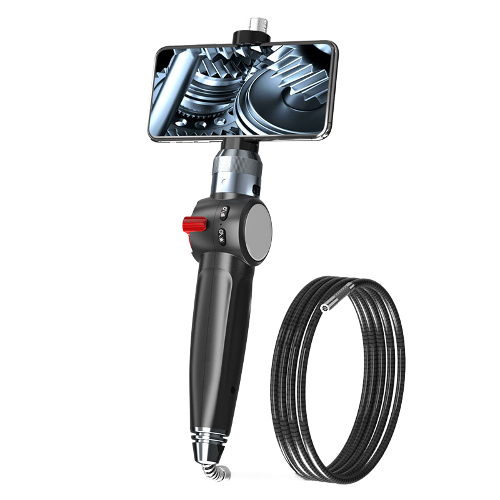
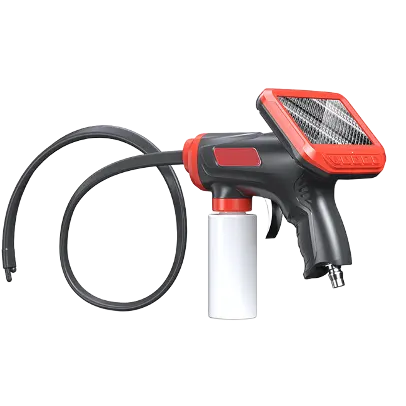
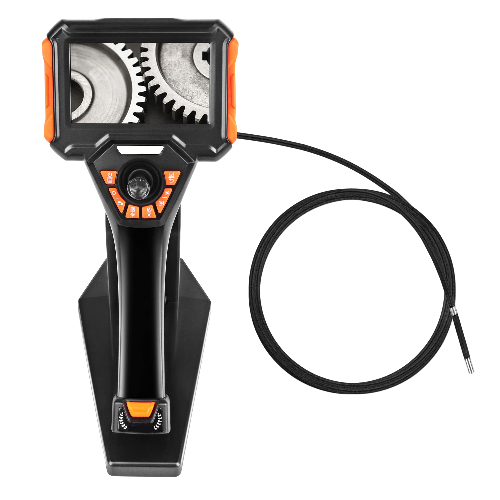
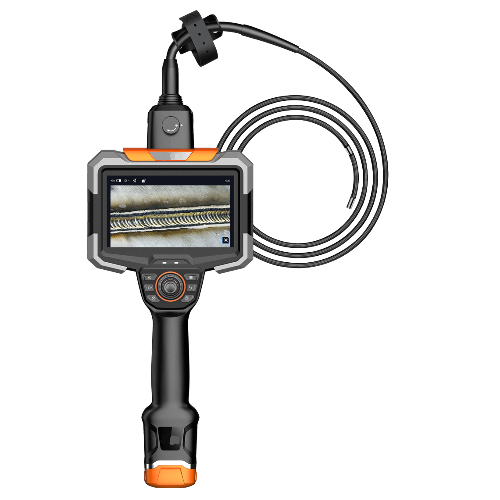
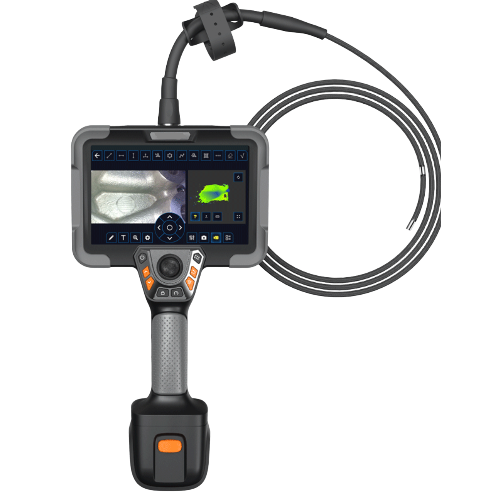
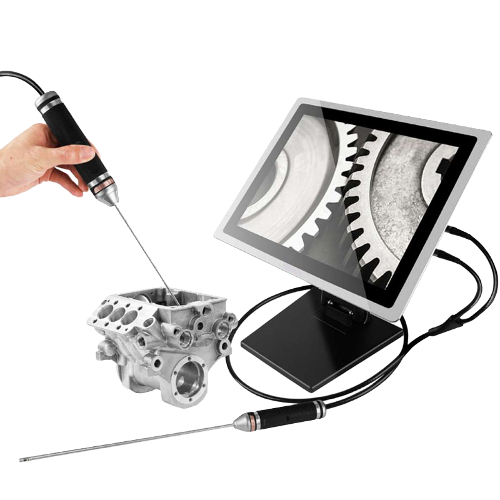
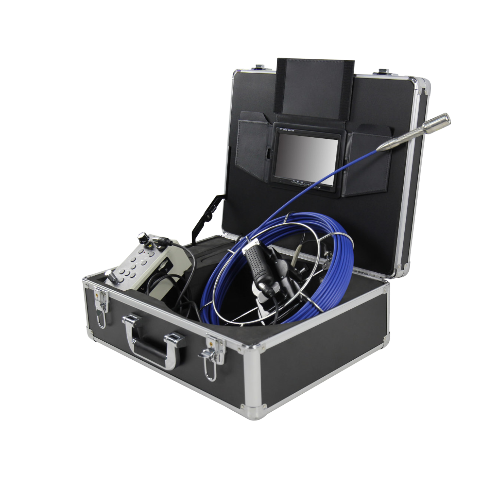
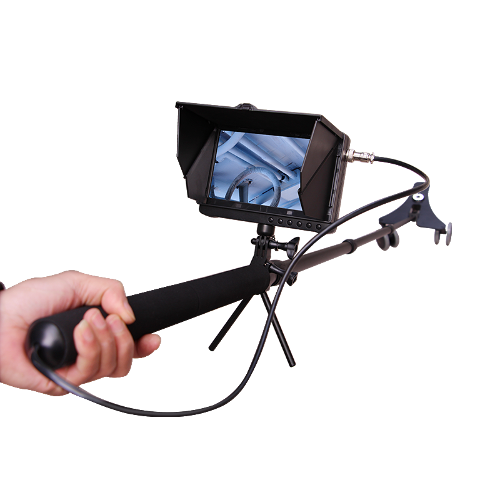
In industrial NDT, infrared inspection cameras work on the principle that infrared light irradiates the tested object and is reflected back with relatively strong penetration capacity. This property improves image contrast and helps detect tiny surface defects such as scratches and cracks. When purchasing such equipment, infrared endoscopes generally do not need to be classified as an independent equipment category; you only need to verify if the IR light mode is required.
Clarify the Necessity of IR Light
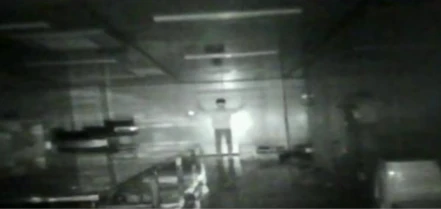
In industrial inspection, infrared (IR) light is widely adopted to detect surface defects on highly reflective materials like metals and plastic products. It supports visual inspection in total darkness and features excellent covert performance, making it widely applicable in police fields such as criminal investigations, arrests, counter‑terrorism, and security operations, thereby reducing exposure risks. For routine inspections, white light is sufficient, so extra optional paid infrared functionality is unnecessary.
Confirm the Key Parameters
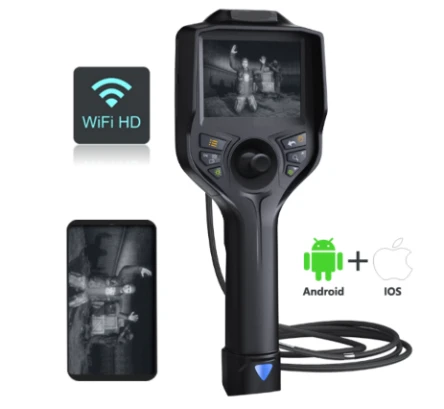
When choosing an industrial borescope, the following parameters must be considered: first, the probe diameter and steering, ensuring the probe can enter normally while prioritizing a larger diameter and at least 180° steering to avoid blind spots. The insertion tube length should be chosen based on actual inspection depth requirements. The IP67 rating is generally be recommended, and the lighting system should ideally feature a dual‑light design with one‑touch switching between IR and white light for enhanced practicality.
Practical Configurations on Demand
Infrared light is widely deployed in police scenarios thanks to its outstanding concealment capability. When choosing equipment, you need to confirm your actual demands: whether real‑time monitoring, Wi‑Fi sync and multi‑user cross‑screen live viewing are required, whether inspection data needs to be stored for evidence collection and archiving. If such requirements exist, you must opt for devices equipped with photo/video capture and data export functions.
The core advantage of infrared industrial borescopes for industrial NDT is to enhance visibility of specific defects. In practical applications, this light source can be used as a reinforcement supplement for white light or independently applied to various special testing scenarios. Driven by ongoing advances in sensor technology and image processing algorithms, the performance of infrared endoscopes will steadily upgrade and their application value in specialized detection fields will continue to increase, forming complementary combinations and collaborative detection with white light sources.
FAQ
Q: Is it necessary to purchase a dedicated IR light industrial borescope separately?
A: There is no need to purchase a standalone IR light borescope. Choose the unit with built‑in IR mode for seamless, one‑click switching between IR and white light. Two light sources, one device—maximum practicality
Q: Why choose IR‑light for NDT inspection?
A: Thanks to its superior reflectivity and penetration, IR light dramatically boosts image contrast. It brings out surface defects—such as fine scratches and shallow cracks—that remain virtually invisible under white light.
Q: Does IR light replace white light or serve as an auxiliary source?
A: IR light does not replace white light, it serves as both a vital supplement to white light and an independent solution for specialized inspection scenarios—such as low‑light security monitoring, non‑destructive coating analysis, or dark‑environment inspections.