
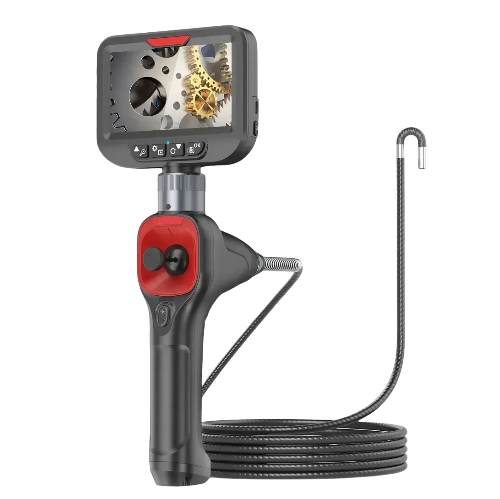
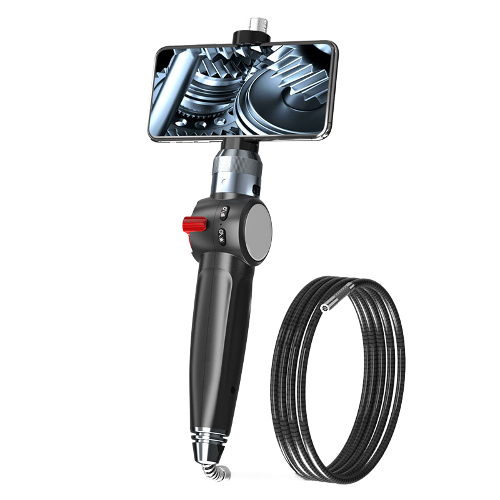
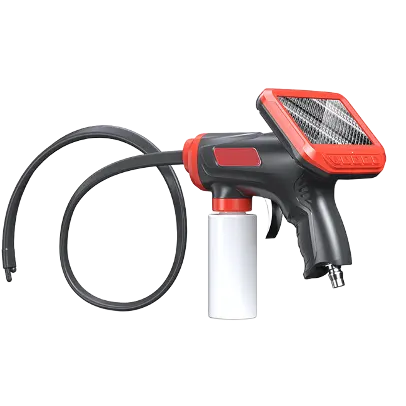
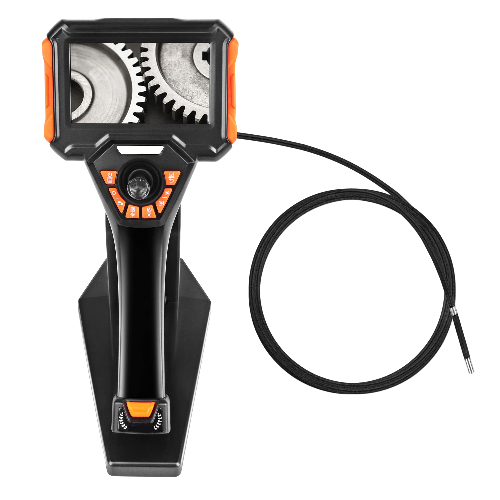
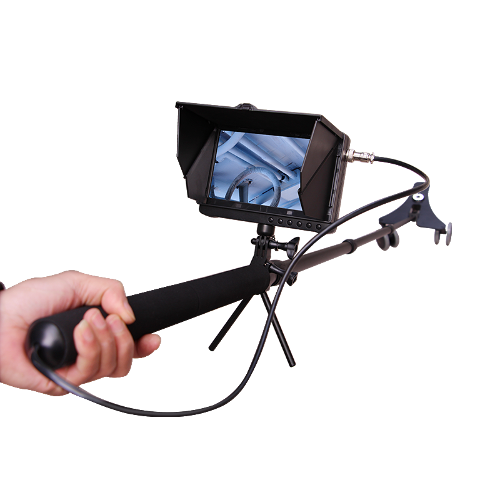
Basic Definition of Rigid Industrial Endoscope
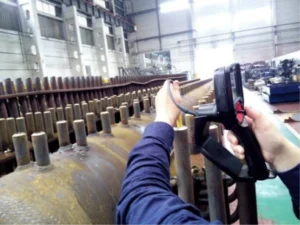
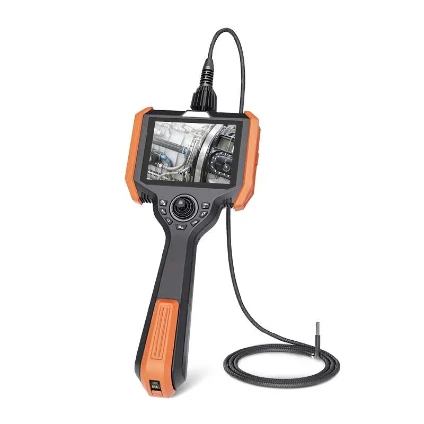
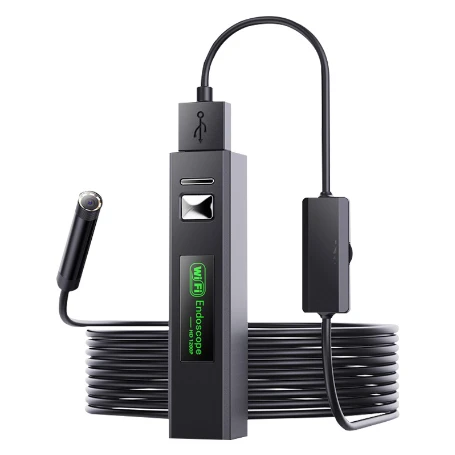
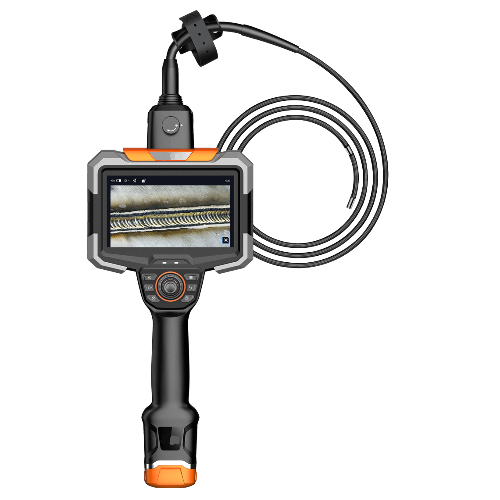
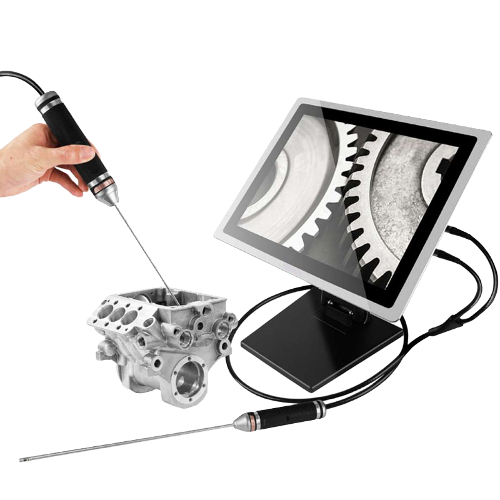
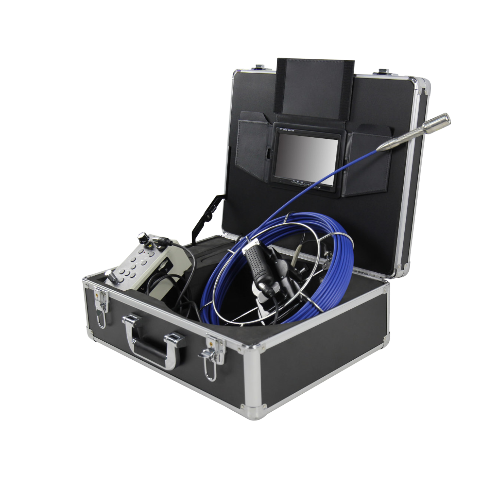
The rigid industrial endoscope, also named straight rod borescope, adopts a non-bendable rigid tubular structure. Its front end is fitted with high-precision optical lenses optimized by computational design, paired with a high-brightness LED cold light source. Operators insert the rigid probe into pipelines, closed cavities or mechanical interiors to capture real-time high-definition images without disassembling the inspected equipment.
Compared with flexible borescopes, rigid industrial endoscopes deliver more stable imaging and stronger anti-interference capacity, perfectly matching short-distance inspection of regular straight passages and unbent rigid cavities. The insertion tube is generally manufactured from highly wear-resistant alloy stainless steel to adapt to harsh industrial working environments. Multiple probe diameter specifications are available to satisfy diversified inspection demands ranging from tiny precision castings to large straight pipelines.
Core Application Scenarios
Automotive Manufacturing & After-sales Maintenance
The automotive sector is the largest application market for rigid industrial endoscopes, mainly deployed for internal inspection of core assemblies such as engines and gearboxes.
- Engine Inspection: Check cylinder liner wear, carbon accumulation on piston tops and defects on valve sealing surfaces without disassembling cylinder blocks, cutting maintenance expenses and disassembly risks significantly.
- Transmission Inspection: Reach deep into gearbox housings to observe gear and bearing meshing conditions, accurately locating root causes of abnormal noise and shifting jamming.
- Production Line Parts QC: Detect internal burrs and weld quality of oil pipes and exhaust pipelines to ensure components meet assembly standards.
- New Energy Vehicle Inspection: Apply to power battery internal wear detection, drive motor quality evaluation and inner wall inspection of hydrogen storage tanks.
Aerospace Industry
Aerospace imposes ultra-strict standards on imaging stability and precision of testing equipment, and rigid borescopes undertake critical safety inspection tasks.
- Aero-engine Overhaul: Rapidly detect ablation, cracks and carbon deposition on turbine blades and combustion chambers after flights and during routine maintenance, serving as a mandatory inspection tool for engine daily upkeep.
- Aerospace Component Inspection: Verify weld integrity and internal cleanliness of rocket delivery pipelines and satellite structural parts to eliminate safety hazards triggered by micro defects.
- Airframe Maintenance: Inspect corrosion and structural damage inside landing gear hydraulic cylinders and fuel pipelines.
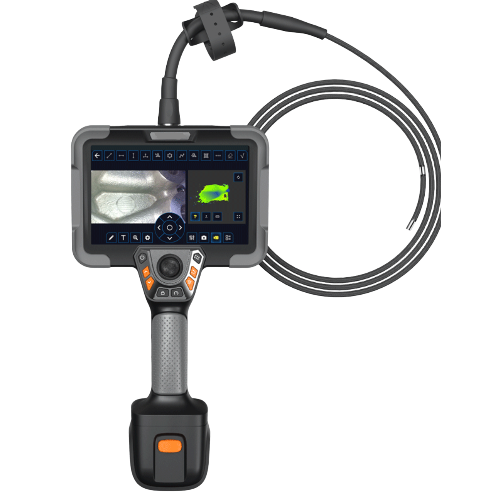
Many high-end rigid endoscope systems integrate single-lens phase measurement 3D profiling (3DPM) and AI auxiliary analysis modules to realize quantitative measurement of blade defects, lifting inspection efficiency and reliability.
Machinery Manufacturing & Precision Machining
Rigid structure and steady imaging make rigid borescopes ideal for quality inspection of inner holes, deep holes and blind holes on metallic and non-metallic workpieces.
- Mold Inspection: Identify scratches, cracks and corrosion on inner cavities of injection and die-casting molds to guarantee machining precision and extend mold service life.
- Hydraulic Component Testing: Check surface finish of hydraulic cylinder barrels, seal groove damage and machining burrs inside hydraulic valve holes.
- Military Ordnance Inspection: Detect wear and corrosion inside gun barrels and artillery bores to secure stable combat performance of military equipment.
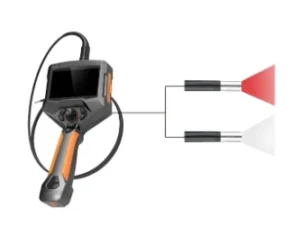
- Ultra-precision Machining: UV fluorescent rigid borescopes are optional to boost the detection rate of tiny micro defects.
Petrochemical & Pressure Vessel Industry
High temperature, high pressure and strong corrosive working conditions raise strict durability requirements for inspection instruments; rigid endoscopes act as core equipment for predictive maintenance.
- Pipeline Inspection: Detect inner wall corrosion and weld defects of seamless and stainless steel straight pipes, especially suitable for rapid screening of long straight pipeline sections.
- Storage Tank & Pressure Vessel Inspection: Evaluate weld quality and corrosion degree on inner walls of vertical and horizontal tanks to assess equipment safety and eliminate hidden risks in advance.
- Valve Performance Monitoring: Inspect wear and sealing performance of valve seats and spools to judge replacement timing and prevent medium leakage accidents.
Energy & Power Industry
Widely adopted in hydropower, thermal power, wind power and nuclear power for visual inspection of core rotating equipment and pipeline systems.
- Internal condition inspection of gas turbines, water turbines, steam turbines, power station boilers and gearboxes.
- Early identification of wear, cracks and corrosion to avoid unplanned unit shutdown and reduce unexpected maintenance costs.
- New-generation models equipped with AI automatic defect recognition improve inspection reliability for high-value equipment such as gas turbines.
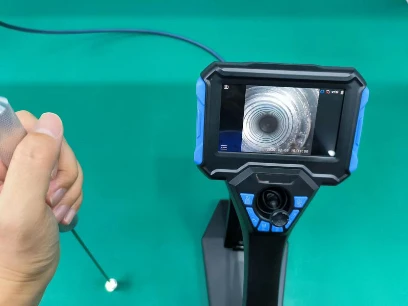
Foundry Industry
Casting internal defects are invisible to naked eyes; rigid industrial endoscopes provide intuitive, reliable quality control solutions.
- Detect casting defects including blowholes, sand inclusions, burrs and inner scratches.
- Evaluate inner wall cleanliness and smoothness to supply data support for casting process optimization.
- Typical use case: defect detection of aluminum alloy wheel castings; high-resolution CCD restores true inner surface textures with rich detail.
Medical Device Manufacturing
- Product quality inspection: Test inner wall finish of syringe needles and infusion catheters, and machining precision of artificial joint implants to guarantee production compliance and clinical safety.
Rail Transit
High-speed trains and rail equipment follow standardized maintenance cycles; rigid endoscopes enable disassembly-free internal condition monitoring.
- Inspect internal structures of gearboxes, ventilation ducts and power assemblies as well as narrow gap inner surfaces.
- Compatible with auxiliary manipulators such as alligator clamps to retrieve tiny foreign objects in confined spaces and lower maintenance risks.
Municipal Engineering & Public Security Inspection
- Infrastructure Inspection: Detect internal damage and hidden hazards of buildings, bridges and underground water pipelines, with excellent performance for underwater pipeline detection.
- Security Screening: Access enclosed hidden spaces for contraband search and routine public security inspection.
Iron & Steel Metal Processing Industry
- Auto-gain adjustable light system eliminates metal surface glare, clearly presenting internal details of lathes, drilling machines and other processing equipment.
- Accurately locate wear, scratches and cracks, and measure key parameters such as weld width and height.
Conclusion
With prominent advantages of high-definition imaging, stable rigid structure and outstanding wear resistance, rigid industrial endoscopes have become irreplaceable testing equipment in aerospace, automotive, petrochemical, energy power and precision manufacturing sectors. They realize accurate fault positioning without equipment disassembly and cut corporate maintenance costs and production downtime risks via regular predictive inspection. With continuous integration of high-resolution optics, 3D measurement and AI intelligent identification technology, their application boundaries keep expanding, occupying an increasingly vital position in the industrial full-process quality assurance system.