
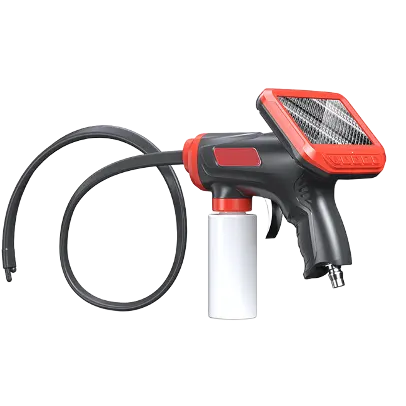
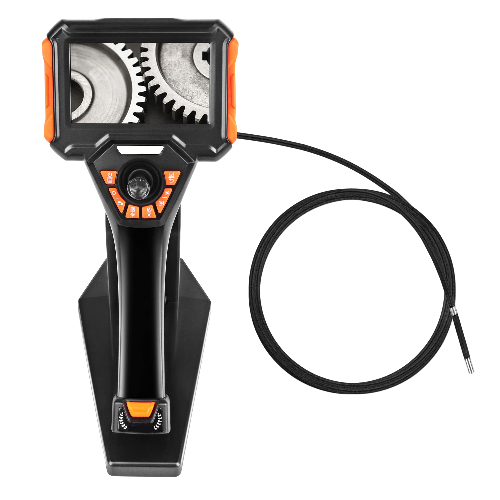
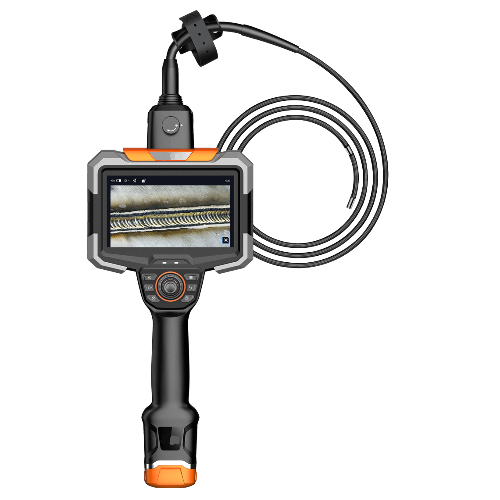
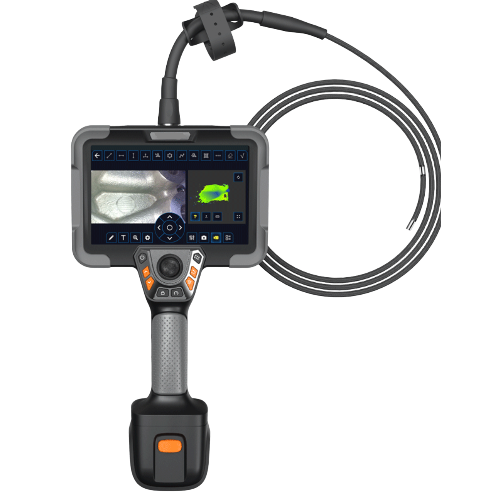
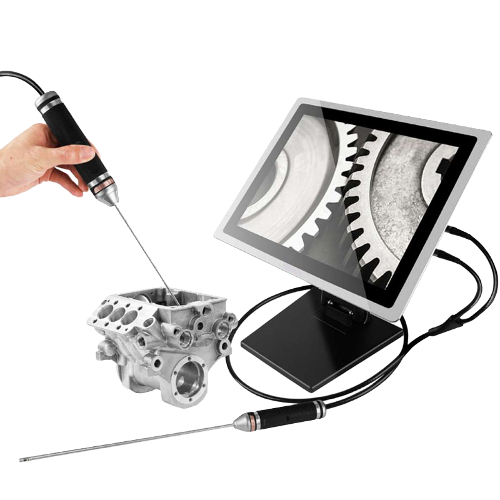
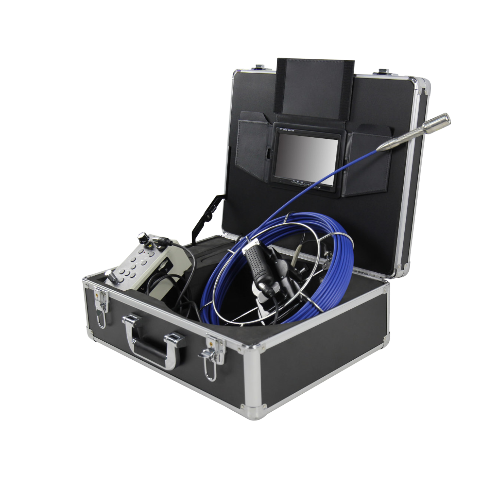
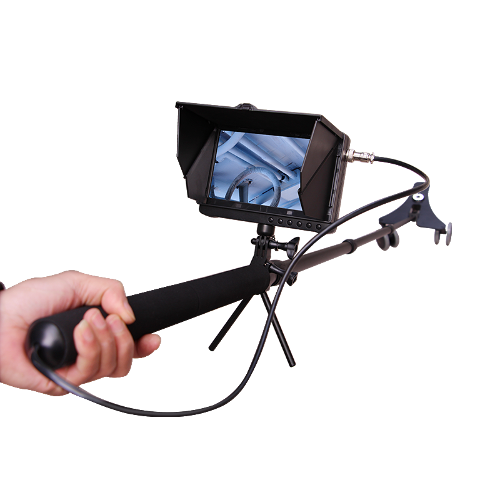
What are the development trends of automotive borescopes? With the accelerated transformation of automotive intelligence and electrification, automotive borescopes, as key inspection tools, are evolving from traditional observation devices into high-precision, intelligent diagnostic systems.
Technical Development Trends of Automotive Borescopes
Clearer Images, More Accurate Inspections
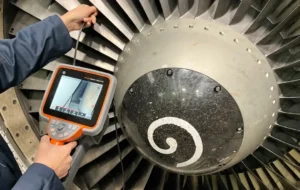
Imagery is no longer limited to basic visibility but is evolving toward high-definition (HD) and ultra-high-definition (UHD) technologies. 4K UHD CMOS sensors will become standard in mid-to-high-end automotive borescopes, enabling clearer observation of common automotive inspection components such as engines and transmissions. Over the next 3-5 years, 8K UHD technology and multispectral imaging will gradually gain traction, enabling in-depth detection of material aging and microcracks while addressing the industry pain point of blurred imaging in deep cavities.
Hardware Material & Structural Optimization
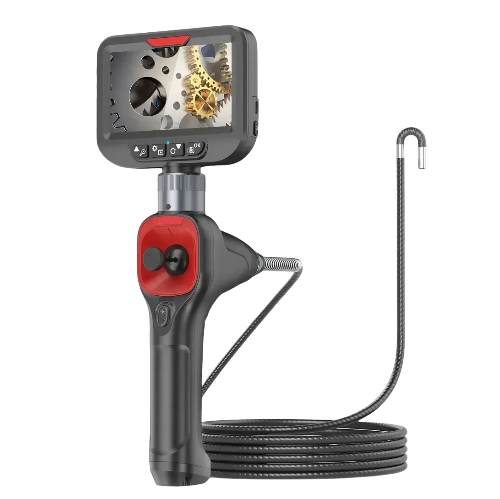
Insertion tubes will adopt a composite structure of wear-resistant alloy braided layers + self-lubricating coatings, extending service life by 2-3 times while meeting the high-temperature, oil-resistant, and waterproof requirements for new energy vehicle (NEV) inspections. Miniaturization of probe diameter continues to advance: ultra-slim probes under 0.8mm for three-electric system (battery, motor, electronic control) inspections will achieve mass production. Equipped with flexible bending technology, they can navigate seamlessly through confined spaces such as battery packs and motor windings.
Multifunctional Integration & Intelligent Diagnostics
Modern automotive borescopes are evolving from single-purpose observation tools to multifunctional intelligent diagnostic systems. By integrating thermal imaging, spectral analysis, laser ranging, and 3D contour reconstruction modules, they support a wider range of inspection capabilities, shifting inspections from “qualitative observation” to “quantitative analysis.” Combined with AI image recognition technology, trained on fault databases, they can automatically identify common issues such as corrosion, foreign objects, and assembly deviations—improving inspection efficiency by over 40% compared to manual processes.
Extended Application Scenarios of Automotive Borescopes
Manufacturing End: Full-Process Quality Control
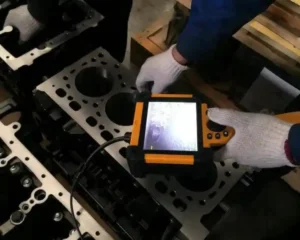
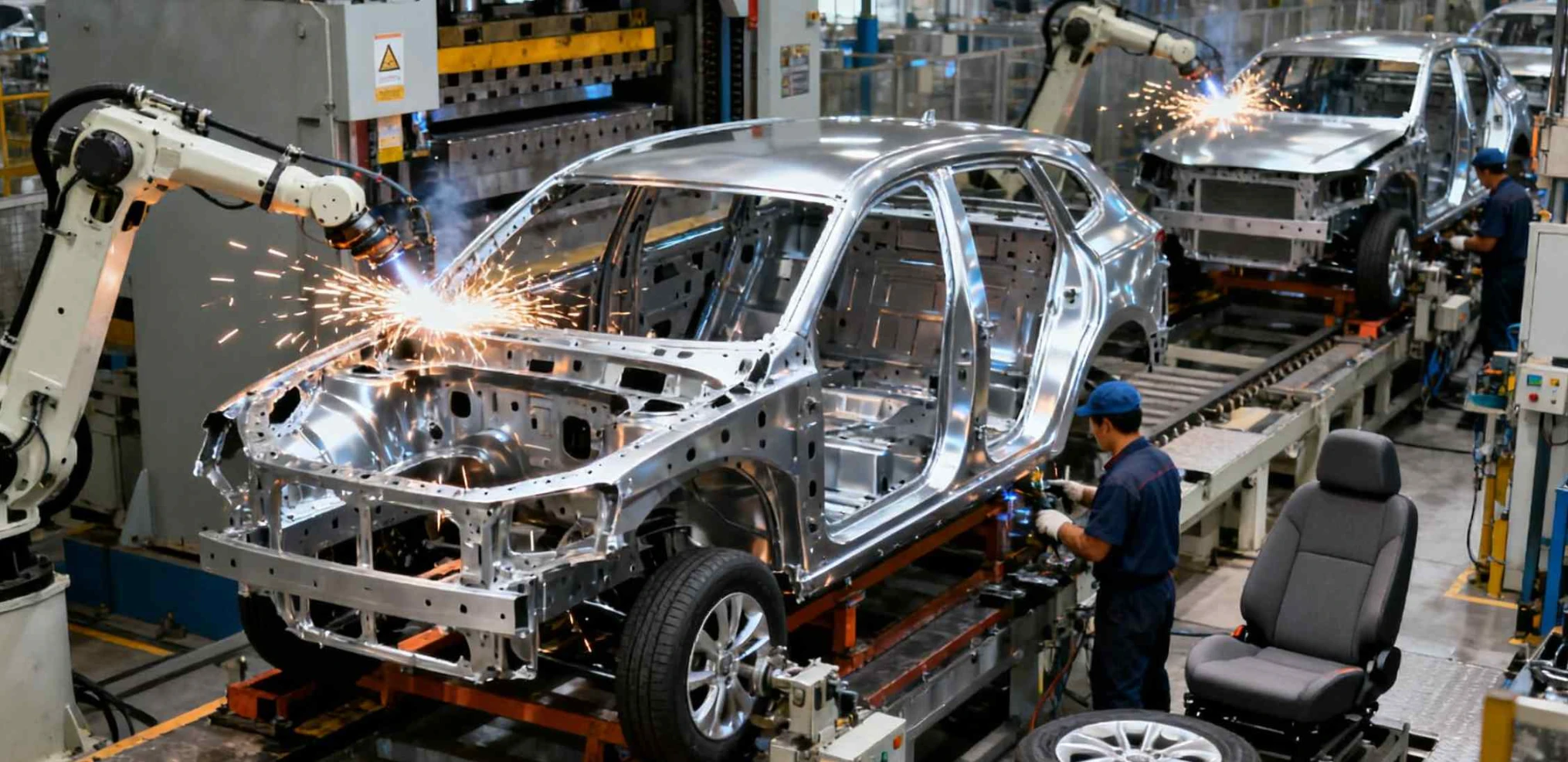
In China, leading automotive manufacturers such as BYD and NIO have integrated automotive borescopes into smart manufacturing production lines. They are used for critical processes including cylinder block defect inspection and piston ring installation verification to enhance automotive manufacturing standards. Moving forward, automotive borescopes will achieve deep interconnection with MES (Manufacturing Execution System) and PLC (Programmable Logic Controller) industrial systems. Inspection data will be synchronized in real time to production management platforms, facilitating quality traceability and process optimization.
Aftermarket: Diversified Service Upgrades
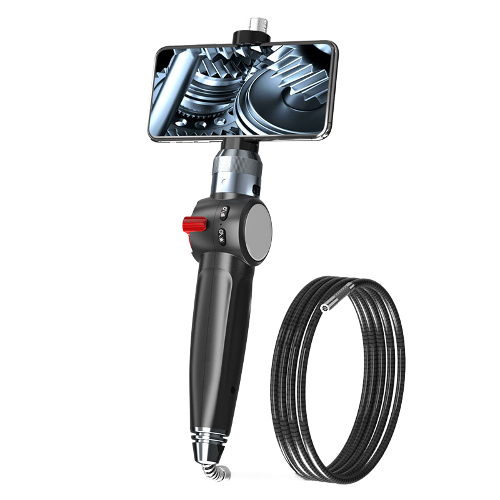
Beyond traditional maintenance scenarios, used car evaluation and insurance claim assessment have emerged as key growth drivers. Portable automotive borescopes equipped with photo/video capture and report generation capabilities can quickly provide inspection evidence for core vehicle components, meeting the standardized service needs of third-party inspection agencies. Meanwhile, the popularization of remote diagnostic technology allows maintenance technicians to access expert support via cloud platforms, reducing reliance on manual experience.
Market Development Trends of Automotive Borescopes
Expanding Inspection Demand for New Energy Vehicles (NEVs)
China, the world’s largest NEV market, is experiencing explosive growth in inspection demand. In 2024, China’s NEV production reached 10.25 million units, a year-on-year increase of 35.8%. The critical need for precision inspection of the three-electric system (battery, motor, electronic control), combined with policy support for the localization of intelligent inspection equipment, is driving the market to grow at an annual rate of over 14%. The global electrification transition is simultaneously spurring similar demand overseas, with distinct opportunities shaped by regional progress and market structures: Mature markets in Europe and North America prioritize high-voltage system inspection and used EV battery health assessment, adhering to strict safety regulations—imposing high requirements for equipment explosion protection and data compliance. Emerging markets such as Southeast Asia and the Middle East focus on cost-effective, universal inspection solutions adaptable to multiple vehicle models. These trends are fueling an 18% annual growth in global demand for automotive borescopes. As a core manufacturing hub, China has become a leading global supplier, leveraging technical adaptability and cost advantages to meet diverse market needs.
International Growth of Chinese Automotive Borescopes
Benefiting from the maturity of localized electronic components, Chinese enterprises have achieved independent control over core parts such as image sensors and wireless transmission modules. As a result, product prices are 30%-50% lower than imported brands. In 2024, domestic high-end video borescopes held a 34% market share in China’s automotive manufacturing sector, with projections to exceed 60% by 2030. Driven by the Belt and Road Initiative (BRI), Chinese borescope manufacturers are accelerating exports to fast-growing automotive markets in Southeast Asia, the Middle East, and beyond. This expansion offers global maintenance technicians a reliable “new choice” alongside traditional international brands.
In the future, automotive borescopes will continue to evolve toward greater intelligence, portability, and image clarity, enabling faster and more accurate inspections. As a key player in both the global NEV and borescope manufacturing sectors, China is leveraging its technical adaptability and cost competitiveness to expand its global footprint—providing a trusted new option for the world’s automotive maintenance and manufacturing industries.