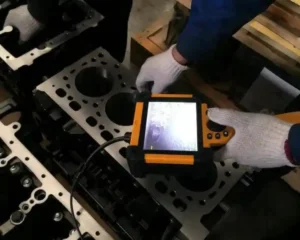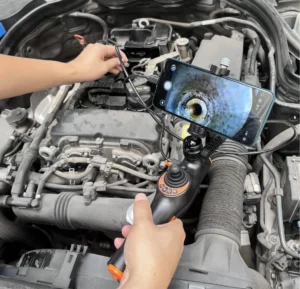

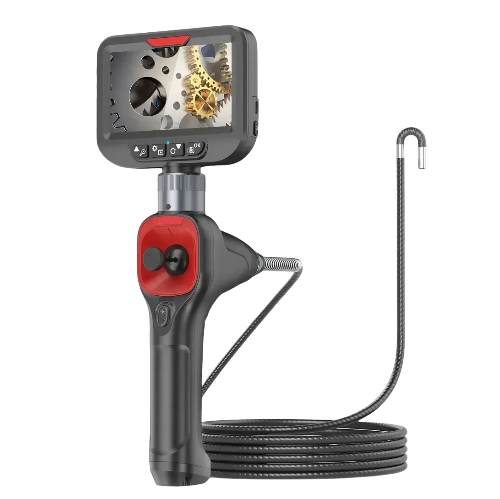
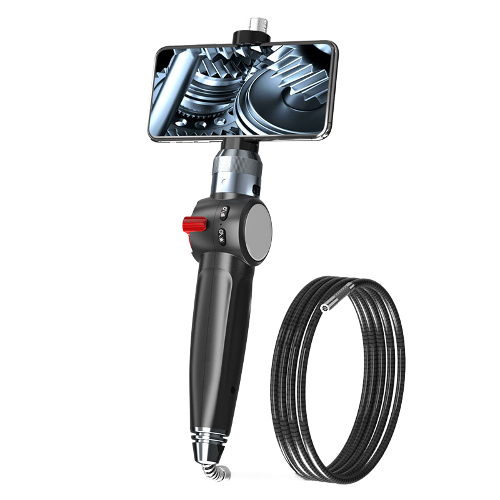
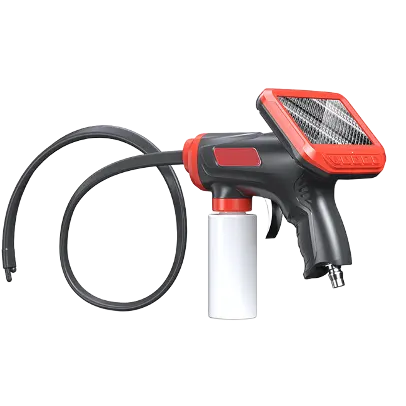
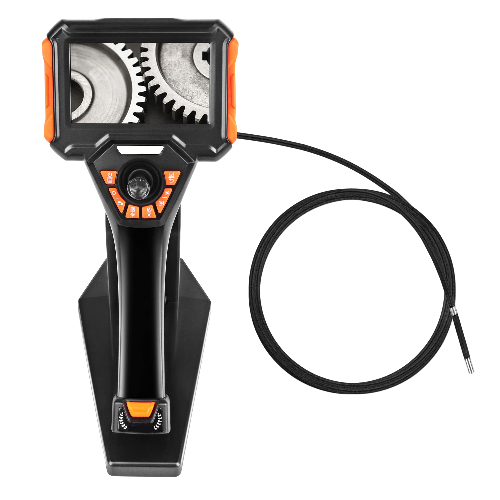
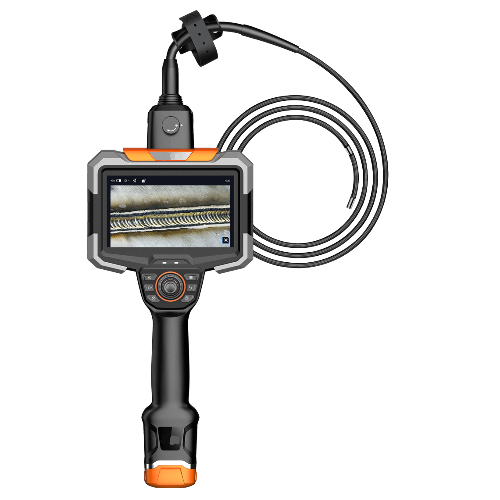
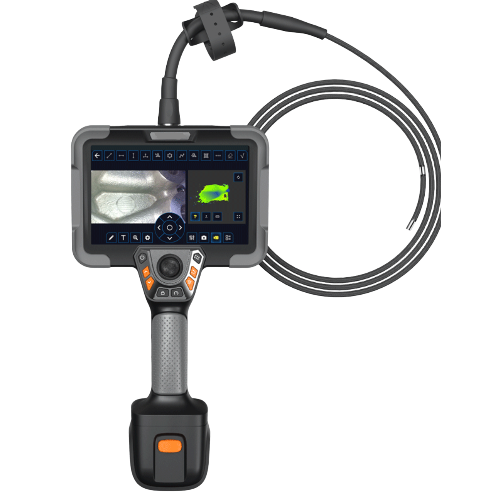
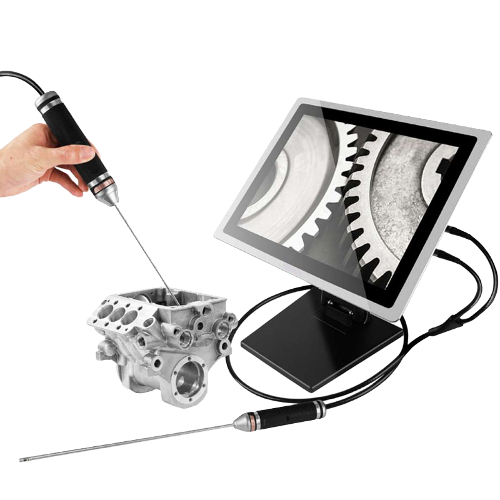
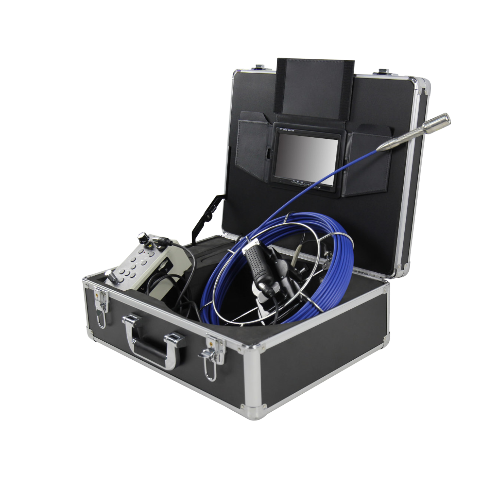
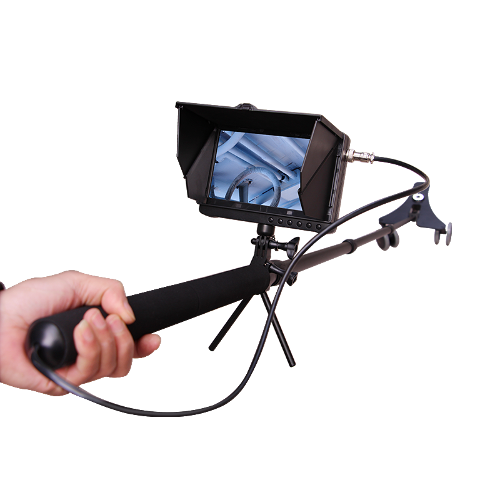
Hey there, inspection pro! If you’re serious about keeping your industrial borescope in peak condition, you’ve come to the right place. Just like any precision tool, a little care goes a long way — and this guide walks you through everything from smart operation to troubleshooting like a seasoned technician. Let’s make sure your borescope stays reliable, inspection after inspection.
Borescope Care and Maintenance Guide
Industrial borescope is a type of nondestructive testing (NDT) instrument—a precision tool used for detailed internal inspections. Widely used in aerospace, automotive manufacturing, energy, petrochemical and other fields. Their operational condition directly impacts the reliability and safety of inspection outcomes. Proper maintenance not only extends the service life of these devices but also ensures measurement accuracy and reduces downtime risks. This guide provides a comprehensive maintenance framework covering the standardized operation, routine care, and troubleshooting to help you maximize borescope performance.
Standardized Operation
Correct operating practices are the most effective preventive maintenance, helping to avoid damage at the source.
- Check the insertion tube surface for scratches, dents, signs of aging, or other damage.
- Inspect the lens for cleanliness, ensuring it is free of mold, fogging, or moisture.
- Check if the battery level of the endoscope is sufficient.
- Power on the unit to test functionality: check for a clear, bright image without dark spots, and ensure the steering mechanism operates smoothly.
- Confirm that the operator has received relevant operational training and possesses the necessary experience.
- Slow, Steady Pace: Always advance and retract the insertion tube slowly and at a consistent speed, especially when navigating through access ports or complex pathways.
- Avoid Sharp Edges: Be vigilant of burrs and sharp edges inside inspection holes to prevent scratches or cuts to the insertion tube.
- Never Force It: If you encounter resistance, stop immediately. Identify and resolve the issue first; avoid forcing the insertion at all costs.
- Temperature: Always operate the device within its specified temperature range. Avoid exposing it to sudden temperature swings or extreme cold/heat.
- Medium: Understand the chemical properties of the inspection environment. Ensure the insertion tube material offers adequate corrosion resistance and chemical compatibility.
Routine Maintenance
Routine maintenance is fundamental to reliable equipment operation. Please follow these care instructions after each inspection task.
- First use an air blower designed for optical lenses to remove loose dust from the surface.
- If there are still stains, use specialized lens cleaning paper or medical cotton swab, dip a small amount of anhydrous ethanol or lens cleaning solution, and gently wipe the lens in a spiral motion, moving from the center outward. Use minimal pressure to avoid scratches.
- Caution: Never use rough, dry materials like paper towels or clothing to wipe the lens directly.
- Gently wipe the insertion tube with a soft, lint-free cloth (e.g., a lens cloth or chamois) to remove oil, dust, and moisture. For stubborn residue, apply a small amount of a mild, neutral cleaner or isopropyl alcohol to the cloth, wipe carefully, and immediately dry with a clean, dry cloth.
- Caution: Do not use corrosive solvents such as acetone, strong acids, or bases, as they can damage the tube’s outer layer.
- After powering off the borescope, wipe the main body housing, control buttons, and display screen with a dry, soft cloth.
- Caution: Never use a damp or wet cloth for cleaning, to prevent any liquid from seeping into the internal components.
- After cleaning, slowly retract the insertion tube. Avoid sharp bends or kinks to prevent internal damage.
- Store your borescope in a dry, well-ventilated area at room temperature (0-40°C / 32-104°F) with humidity below 60%, and keep it out of direct sunlight. Position it away from heat sources (e.g., ovens, radiators), damp areas (e.g., sinks, steam pipes), and corrosive chemicals (e.g., fumes in chemical workshops). When not in use, cover the unit with a dust cover or store it in its protective case.
Outdated software can lead to issues like image processing lag. Maintaining the latest versions ensures smooth and efficient operation.
Update Procedure:
- Please contact us to obtain the latest software version.
- Carefully follow the installation instructions to avoid errors.
- Back up critical data prior to initiating the update.
- Restart the device after installation to apply all changes.
Common Troubleshooting
If you encounter a problem with the borescope, you can perform the following preliminary checks. Important Note: The industrial borescope is a highly precise instrument. Users are strictly prohibited from disassembling their internal structures on their own.
Troubleshooting Steps:
- Inspect the lens for smudges or contamination. If any are found, clean the lens again following the proper procedure.
- Check if the light source is functioning and illuminated. If not, inspect the power connection or replace the light source.
- Ensure all cable connections are secure. Reseat any loose cables by disconnecting and then reconnecting them firmly.
- If the issue persists after the steps above, the cause may be a damaged image sensor or internal circuit failure. Please contact our support team for assistance.
Troubleshooting Steps:
- Check if the power adapter is securely plugged in, or if the battery is depleted. Try reconnecting the power source or replacing the battery.
- Inspect the power switch for damage. If the switch is faulty, it will require replacement.
- If the power supply is confirmed to be functional but the unit still will not turn on, the issue may be a faulty mainboard. Please contact our support team for assistance.
Troubleshooting Steps:
- Check the insertion tube for any entangled foreign objects (e.g., wire strands, cables). If found, carefully remove them.
- Check if the steel wire inside the insertion tube is broken (resistance can be felt by slight bending), and if it is broken, the insertion tube will require replacement.
- If the issue persists after the steps above, the cause is likely a malfunction within the control unit. Please contact our support team for assistance.
To keep your industrial borescope in optimal working condition, please follow our industrial endoscope maintenance guide to make it as a reliable inner visual navigator for your safety production and quality control. Additionally, we highly recommend creating a detailed maintenance log to record all service and repair activities. This practice is fundamental to modern, proactive equipment management, helping to extend asset life, reduce downtime, and maximize your return on investment.
Got questions about maintaining your borescope? Whether it’s tricky cleaning situations, software updates, or field troubleshooting — feel free to reach out. Keep inspecting with confidence! 🔍✨