


Industry Overview
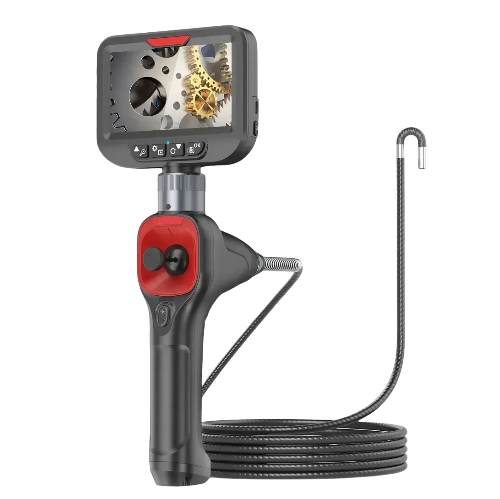
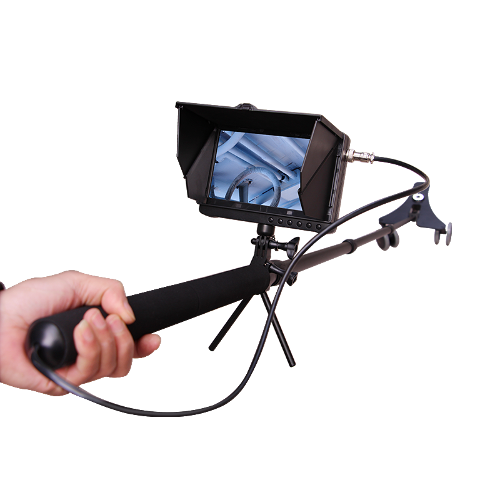
Rail transit maintenance is moving toward precise, non-destructive testing to ensure safe and stable operation. Traditional inspections often require disassembling core components or destructive excavation, which is time-consuming, costly and may damage equipment. Known as the “perspective eye” for rail transit, industrial borescopes have become an essential tool for operation and maintenance teams. With flexible probes and high-definition imaging, they can penetrate narrow spaces to check cracks, wear and rust in gearboxes, brake cylinders and traction motors, as well as hidden defects in tunnel drainage systems. They enable quick location of problems without damaging equipment, providing reliable data for preventive maintenance and improving overall operation efficiency.
Applications
The industrial borescope is a high-precision detection tool designed to provide clear, real-time visual access to the internal and hard-to-reach components of rail transit vehicles and infrastructure without the need for disassembly or destructive inspection
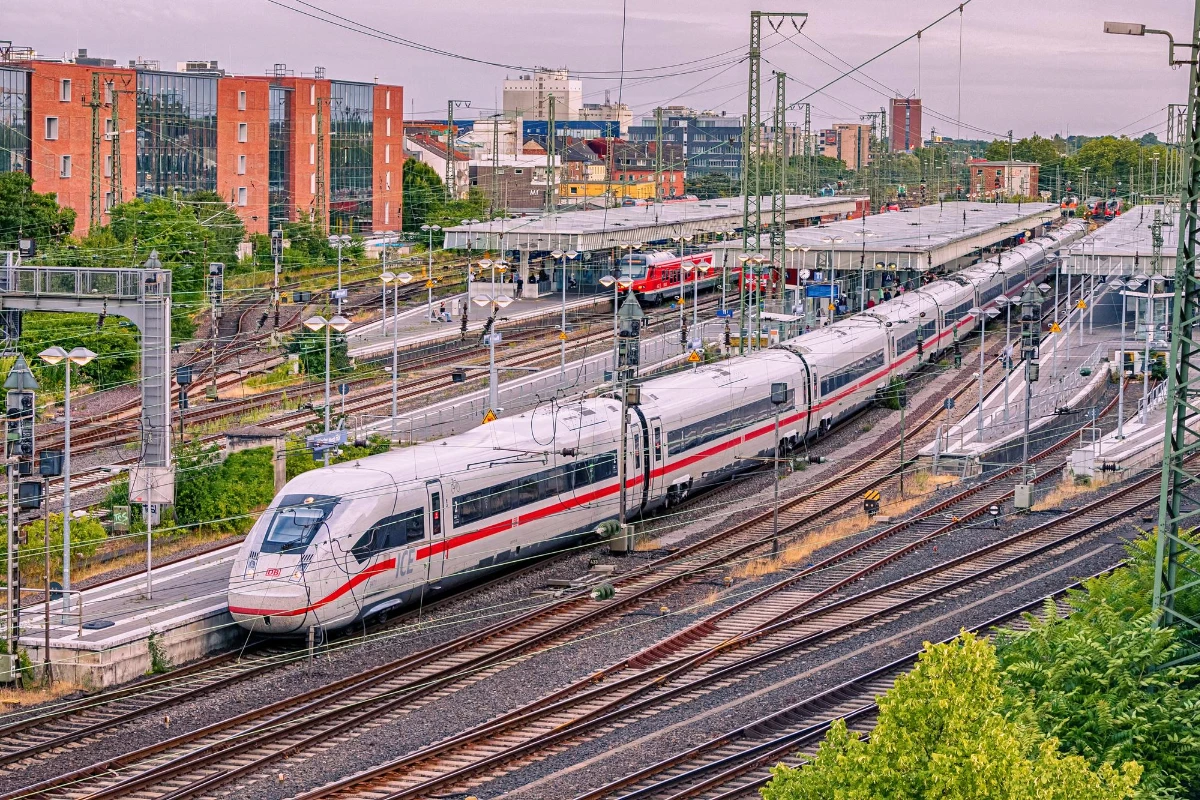
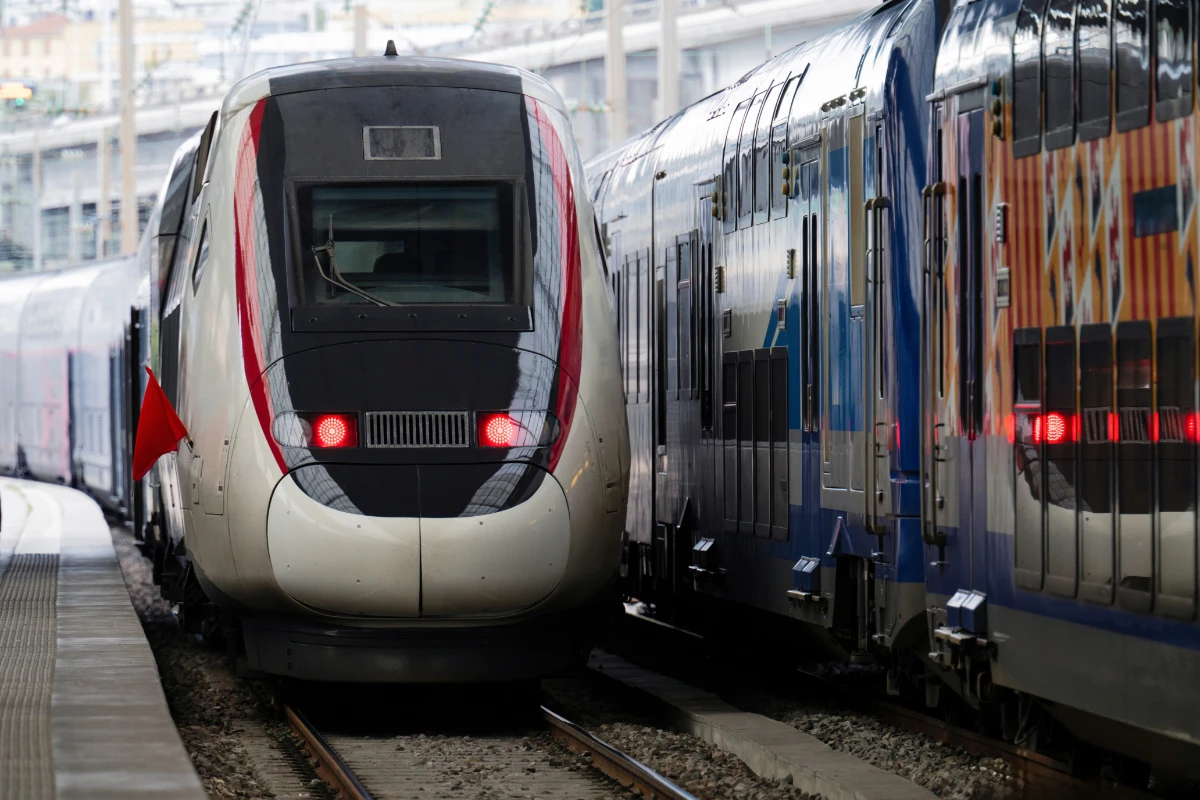
Key Train Components Inspection: Inspecting the internal condition of traction motor windings, bearings, and gearboxes; detecting wear, corrosion, oil leakage, and foreign matter intrusion in axle boxes and bogie components; checking the integrity of brake system cylinders and pipeline inner walls.
Track and Line Facilities Inspection: Examining the internal structure of rail joints, fasteners, and sleeper connectors for cracks or looseness; detecting sediment accumulation and corrosion in track drainage pipes; inspecting the inner walls of tunnel ventilation ducts and cable troughs for damage.
Electrical Equipment Maintenance Inspection: Checking the internal condition of high-voltage cabinets, junction boxes, and cable ducts for dust accumulation, insulation aging, or short-circuit hidden dangers; inspecting the integrity of traction converter internal components and cooling system pipelines.
Fault Troubleshooting and Repair Verification: Locating the exact position of internal faults in components to reduce maintenance time and costs; verifying the repair quality of components such as motor casings and gearbox housings after maintenance.
Selection Guide
Selecting the right industrial borescope for the rail transit means focusing on three key things: precise inspection of core on-board parts, reliable performance in complex working conditions, and strong equipment durability. It needs to work well for checking critical components like traction motors, braking systems, axles and gearboxes, while also being easy to carry and enabling digital recording of inspection data. Key selection points are as follows:
Probe Design:Opt for modular replaceable probes with a 4–8mm diameter (2mm or ultra-thin for narrow spaces). Equipped with 1080P+ ultra HD sensors and dimmable high-brightness LED lights, for clear detection of tiny defects even in dim, oily environments. Wide-angle and front/side-view or dual-view lenses are optional, to meet multi-angle inspection needs for complex cavity structures. Probes support 360° electric omnidirectional steering, making it easy to pass through narrow, curved channels, and you can choose probe lengths from 1–10m as needed, to fit different inspection channels and distance requirements on site.
Protection & Durability: The probe shell is preferably titanium alloy, with the probe cable covered in a double-layer tungsten wire braided wear-resistant coating. The whole machine shall have an IP65 or higher protection rating for stable operation in oily, dusty and humid environments, and the fuselage shall be shock and anti-electromagnetic interference resistant. High-temperature resistant probes are optional for high-temperature component inspection.
Intelligent Functions: Optional high-precision 3D measurement function (accuracy ≤0.01mm) for multi-dimensional defect quantification; AI automatic defect marking, multi-format data export and one-click standardized inspection report generation are also available as options, enabling traceable inspection data as required.
Portability & Operation: Choose a lightweight all-in-one design for one-handed operation, with a 5-inch+ outdoor visible HD screen and an intuitive interface. Ensure all-day battery life for on-site maintenance, support real-time photo and video recording, and optional remote image transmission for collaborative analysis by off-site experts.
Value Proposition
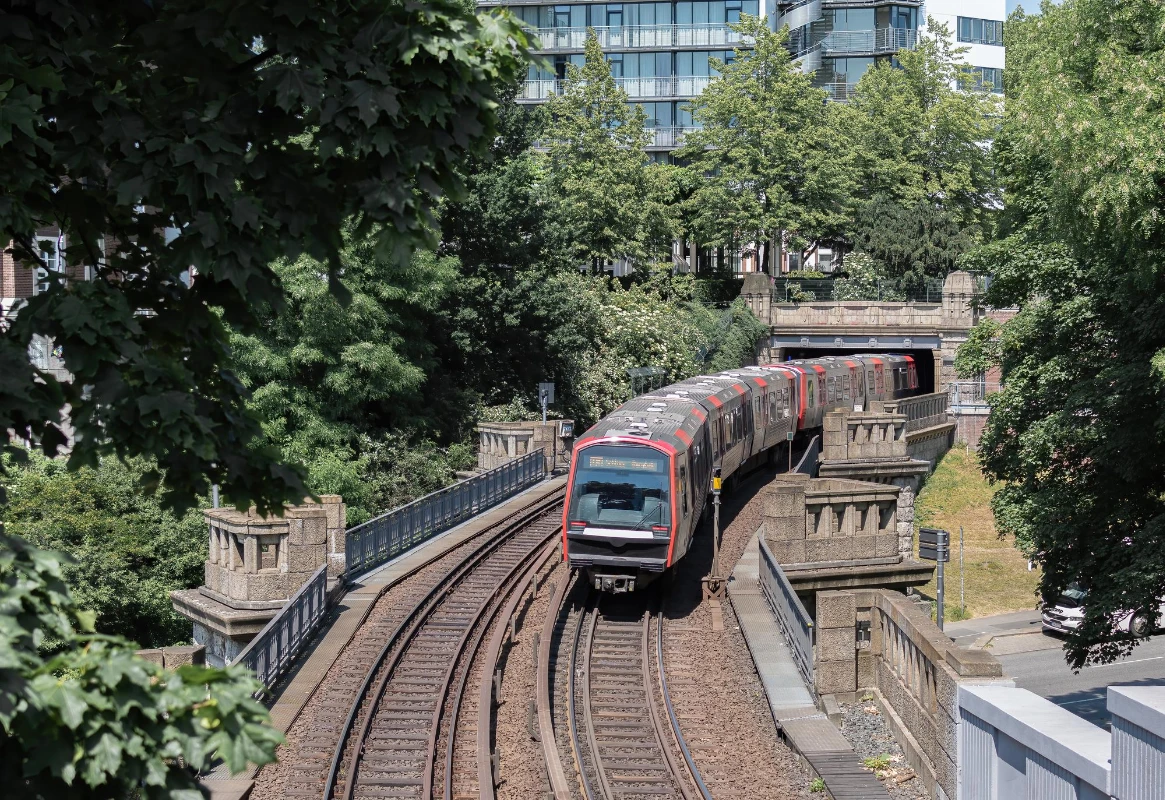
As a core tool for intelligent O&M of rail transit equipment, the industrial borescope enables non-destructive testing of key components without disassembly. It delivers high-definition real-time visual inspection, helping technicians quickly detect hidden faults and assess equipment health, laying a solid foundation for predictive maintenance, cutting downtime and maintenance costs sharply, and boosting operational safety.
Railway Locomotive Engines: Inspect internal components (cylinder liners, pistons, valves, combustion chambers), detect wear, corrosion, carbon deposition, cracks and other defects, provide overhaul and maintenance data support, and ensure stable and efficient locomotive operation.
Railcar Bogies: Conduct non-destructive testing of axles, bearings, gearboxes and other key parts, identify hidden risks (bearing wear, axle scratches, gear tooth damage, oil contamination), prevent operational failures, and ensure safe and stable railcar operation.
Track Tunnels and Bridges: Inspect structural defects of tunnel walls, bridge piers and track fasteners, detect cracks, concrete spalling, steel bar rust, loose fasteners, assess infrastructure structural safety, and provide a basis for targeted maintenance and reinforcement.
Air Conditioning and Ventilation Systems: Check air ducts, evaporators, condensers and other internal components, detect dirt accumulation, blockages, corrosion, air leakage, ensure normal operation of ventilation and cooling systems, and maintain a comfortable and healthy riding environment.
FAQ
What parts of rail transit are mainly inspected by industrial endoscopes?
Covers train engines, brake pipelines, axle boxes, rail fasteners, tunnel walls, catenary, platform screen door transmission structures, etc., for vehicle maintenance and line/facility upkeep.
What special performance requirements do industrial endoscopes for rail transit have?
High and low temperature resistance , vibration resistance, IP67 or higher waterproof and dustproof, flexible insertion tube, 1080P or higher high-definition imaging.
Do industrial endoscopes for rail transit inspection need to have measurement functions?
It is recommended to be a standard configuration, especially for the inspection of core train components and key rail parts. It can accurately measure crack length, wear depth, gap size, etc., provide quantitative data for defect judgment and maintenance, and comply with industry inspection specifications.
What common defects of rail transit can be identified?
Metal cracks/corrosion, pipeline blockage/leakage, incomplete welds, bearing pitting, loose fasteners, tunnel wall spalling, etc., non-destructive testing without disassembly.
Rail Transit Borescope Featured Products
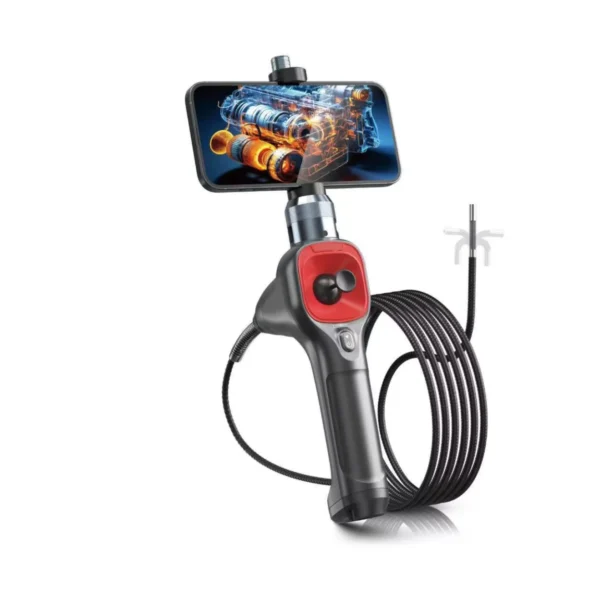
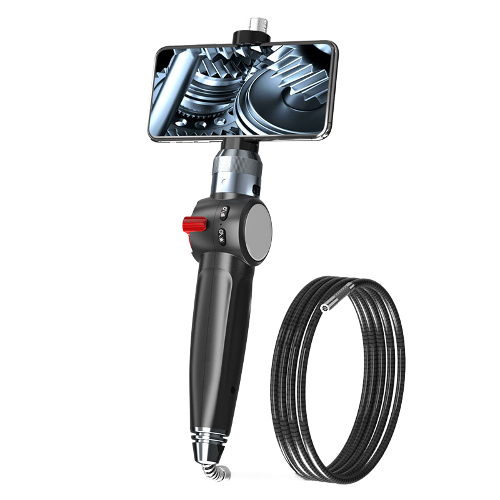
SA Series All-Way Articulation Smartphone Endoscope
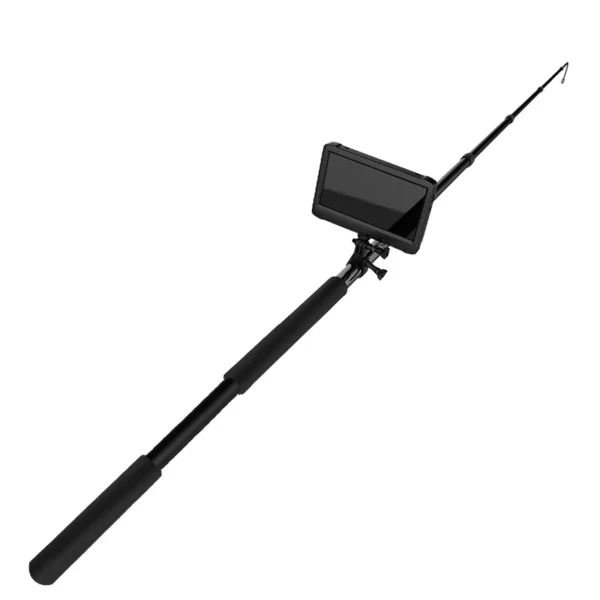
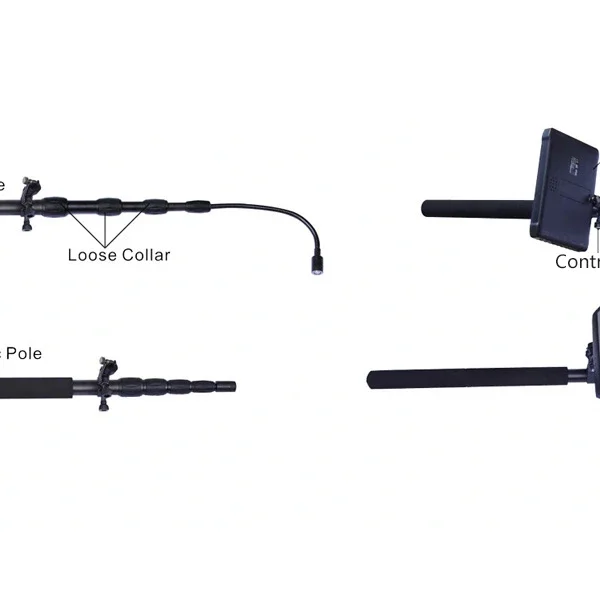
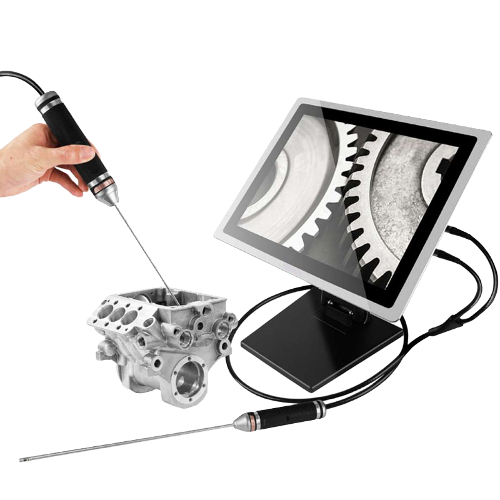
TS Series Multifunctional Waterproof 1080P HD Digital Steady Telescopic Inspection Camera
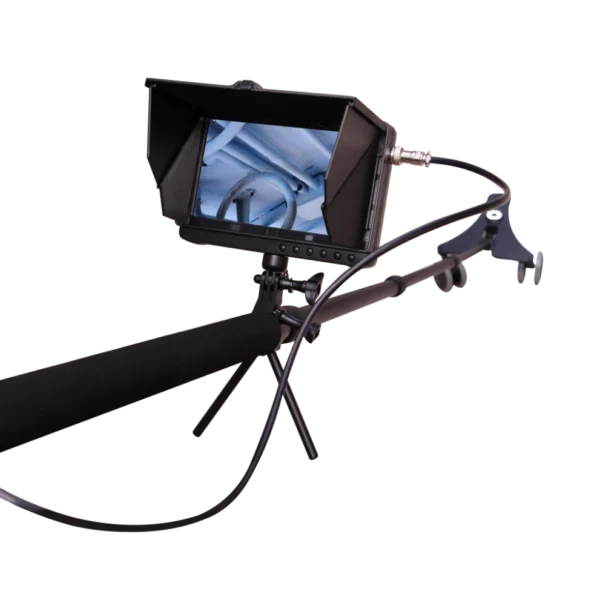
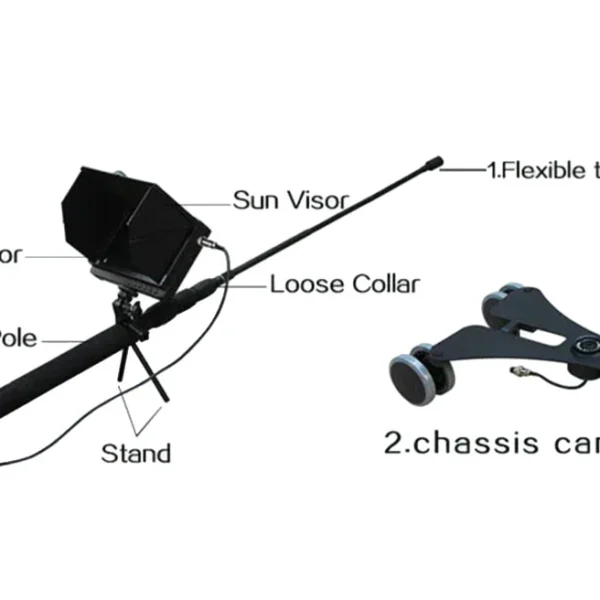
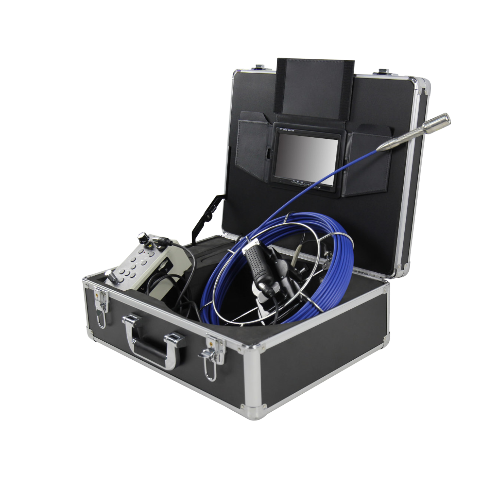
TV Series Handheld Telescopic Pole 1080P HD Under Vehicle Inspection Camera
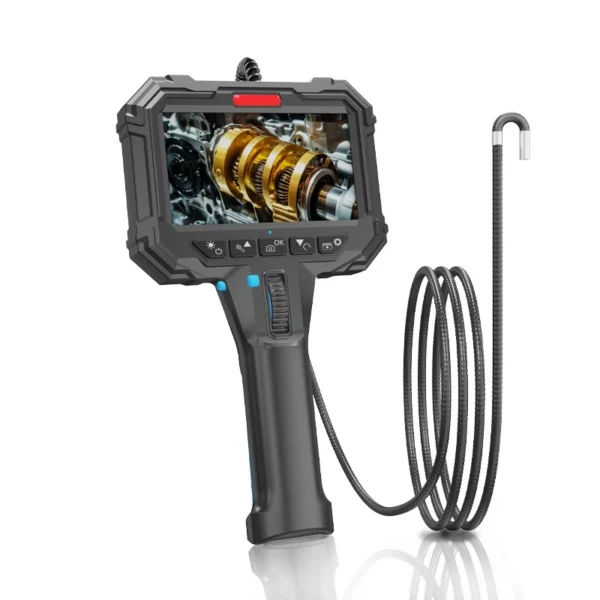
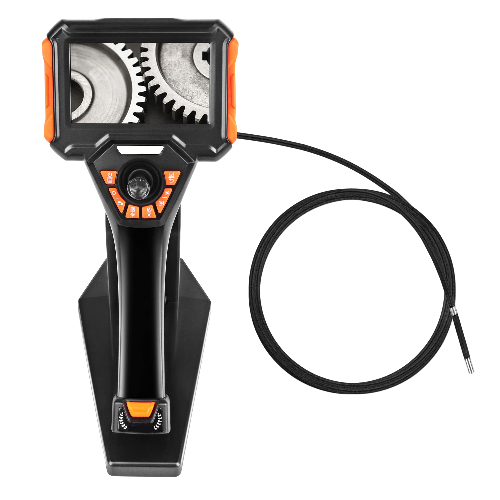
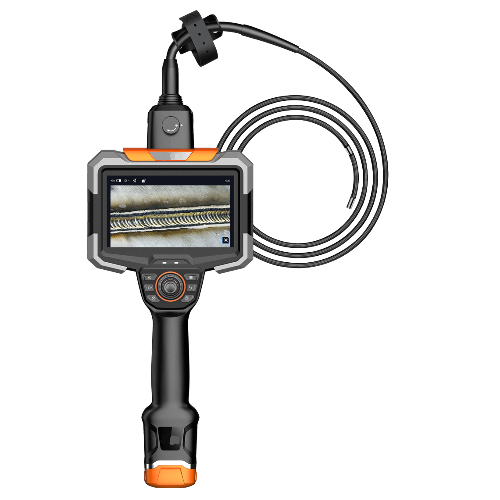
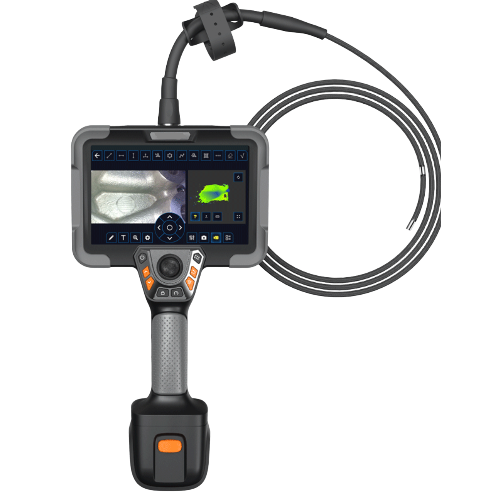
VL Series 5” Wheel Control Videoscope
Get a Quote for Rail Transit Endoscope
No. 255 Cheng Xing Street, Shi Jingshan, Beijing, China
www.innavi.net
www.industrial-borescope.com