

Industry Overview
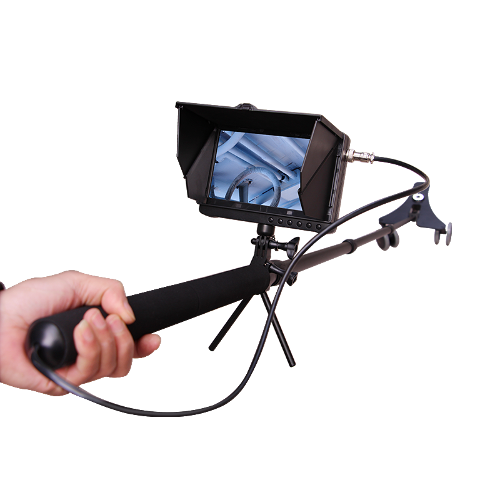
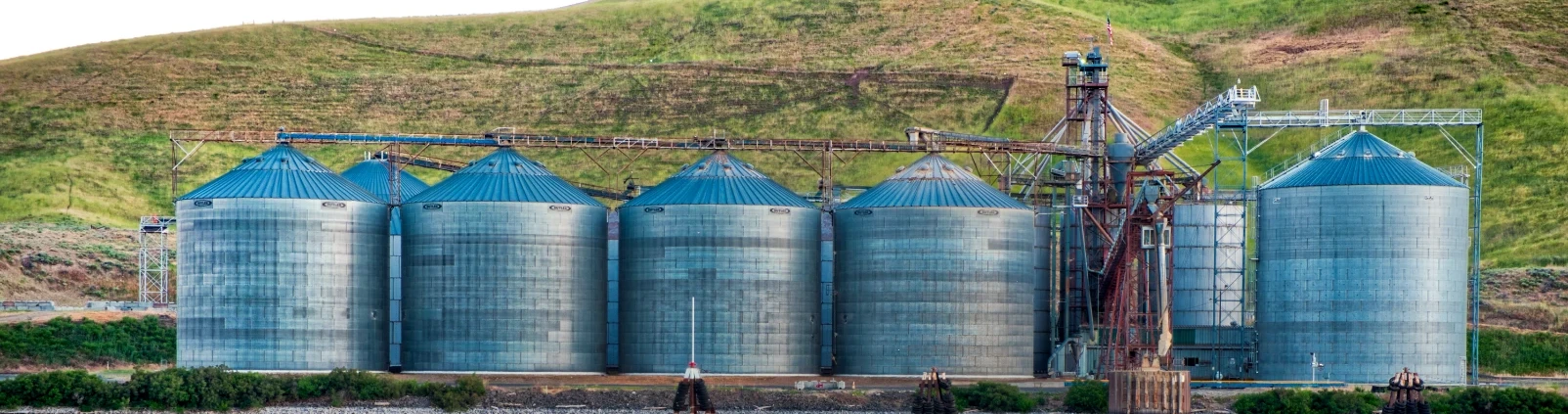
The petrochemical industry spans from crude oil refining to the production of plastics, synthetic fibers, and specialty chemicals. Operations often involve extreme conditions, including high temperatures, high pressures, and flammable or corrosive media. Given the vast and enclosed nature of storage tanks, reactors, and complex piping systems, traditional “tear-down” inspections are costly and pose significant safety risks. Industrial borescopes have become a critical Non-Destructive Testing (NDT) tool, serving as an essential “internal diagnostic” system to ensure operational continuity and prevent catastrophic failures.

Applications
A petrochemical borescope is a specialized inspection tool engineered to navigate the hazardous and corrosive environments of refineries and chemical plants, providing vital visual data on the integrity of high-pressure systems.
Piping Inspection: Using a petrochemical borescope to check high-pressure lines and stainless steel pipes for weld defects, internal corrosion, cracking, and scaling.
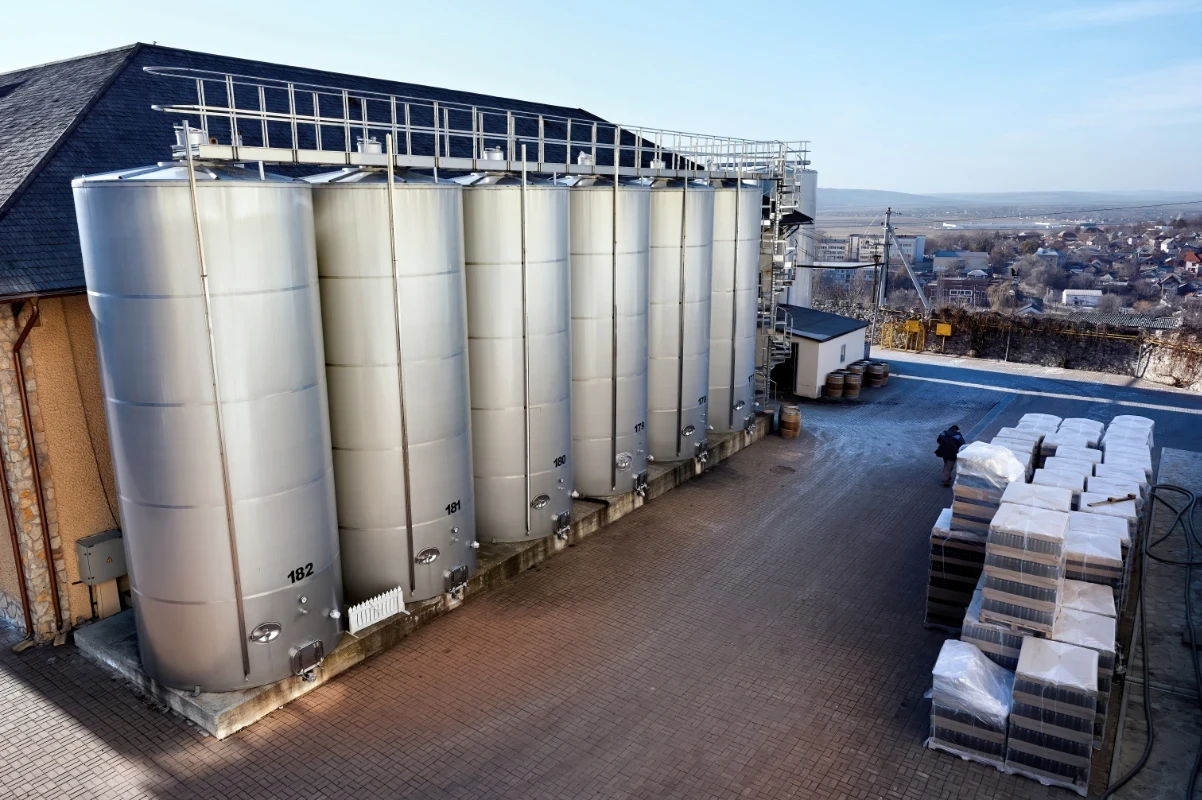
Storage Tanks & Pressure Vessels: Providing 360° views of refinery tanks, tankers, and cylinders via a petrochemical borescope to detect corrosion, leaks, and liquid levels.
Reactor Monitoring: Real-time tracking of material states, fouling levels, and component erosion within core reactors using high-end petrochemical borescope technology.
Heat Exchangers: Inspecting condenser and heat exchanger tubes with a petrochemical borescope for leaks, overheating damage, and sediment thickness.
Quality Control & R&D: Leveraging a petrochemical borescope to monitor catalyst distribution and crystallization, ensuring process standards are met during production.
Selection Guide
When selecting a petrochemical borescope, the primary focus must be on safety certifications—such as explosion-proof ratings—and the ability of the optics to provide high-definition clarity in dark, deep-space industrial environments.
Safety & Compliance: A petrochemical borescope must feature an explosion-proof design for hazardous environments and robust heat resistance for high-temp localized areas.
Imaging Technology: Prioritize megapixel high-definition cameras on the petrochemical borescope, paired with high-power rear LED illumination and fiber optic lighting.
Functional Requirements: Probes should offer 360° motorized articulation; a top-tier petrochemical borescope must include 3D phase measurement for quantifying crack depth and sediment build-up.
Portability: An integrated, handheld petrochemical borescope design is recommended for easy maneuverability across complex petrochemical sites.

Value Proposition
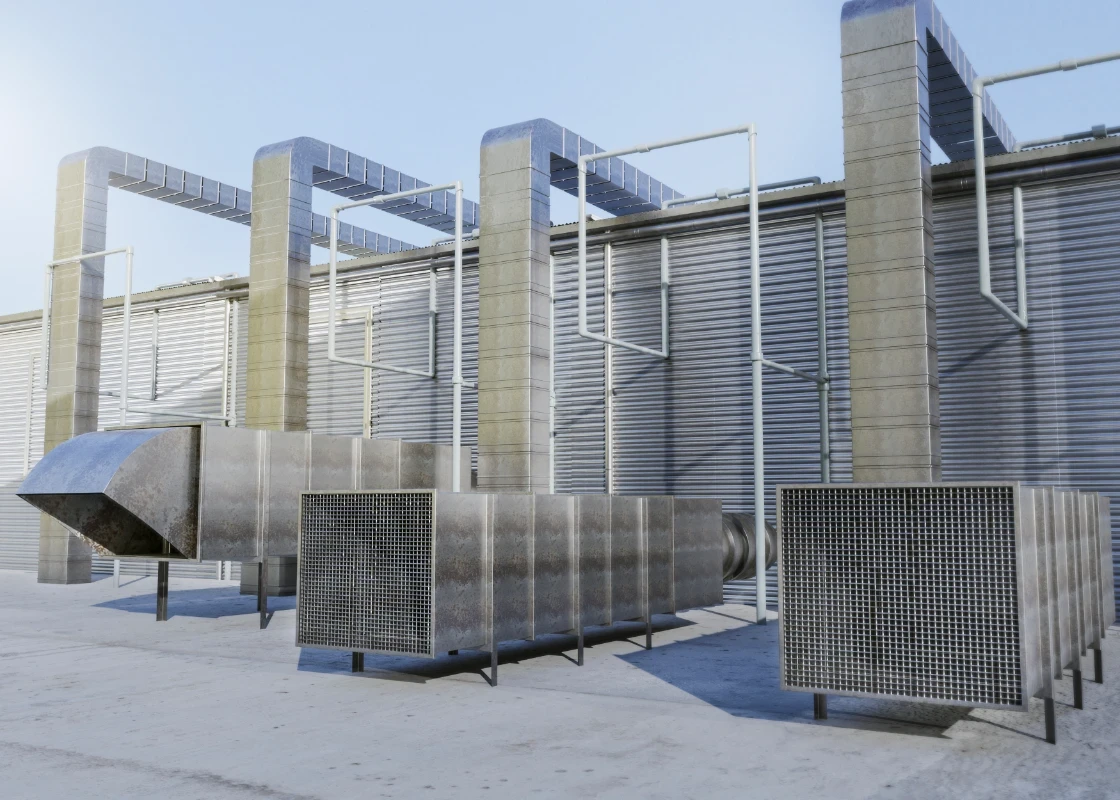
The implementation of a petrochemical borescope into maintenance workflows transforms reactive repairs into a proactive strategy, significantly mitigating the risk of environmental disasters while optimizing plant uptime.
Safety & Risk Mitigation: A petrochemical borescope enables proactive maintenance by identifying micro-cracks and corrosion before they lead to catastrophic leaks or explosions.
Efficiency & Cost Savings: Utilizing a petrochemical borescope minimizes unnecessary disassembly and unplanned downtime, significantly reducing operational expenses.
Informed Decision-Making: The petrochemical borescope provides direct visual evidence and precise quantitative data to support Condition-Based Maintenance (CBM).
Digital Traceability: High-quality data from the petrochemical borescope can be archived for long-term failure analysis and process optimization.
FAQ
How do we ensure no blind spots in large pipes using a petrochemical borescope?
Use specialized centering devices to keep the petrochemical borescope probe aligned with the pipe’s axis, combined with 360° articulation for full visual coverage.
What if the petrochemical borescope probe is damaged by high heat?
Always use a petrochemical borescope system rated for high temperatures and strictly follow cooling protocols (such as air cooling) as outlined in the equipment manual.
How can we determine if a defect found by a petrochemical borescope is critical?
Utilize the 3D modeling and measurement features of the petrochemical borescope to quantify the depth, area, or diameter of the defect rather than relying on visual estimation.
Should we choose a domestic or imported brand for a petrochemical borescope?
While domestic options are growing, premium imported petrochemical borescope brands currently lead in AI-assisted defect recognition and 3D precision, making them ideal for high-stakes inspections.

Petrochemical Borescope Featured Products
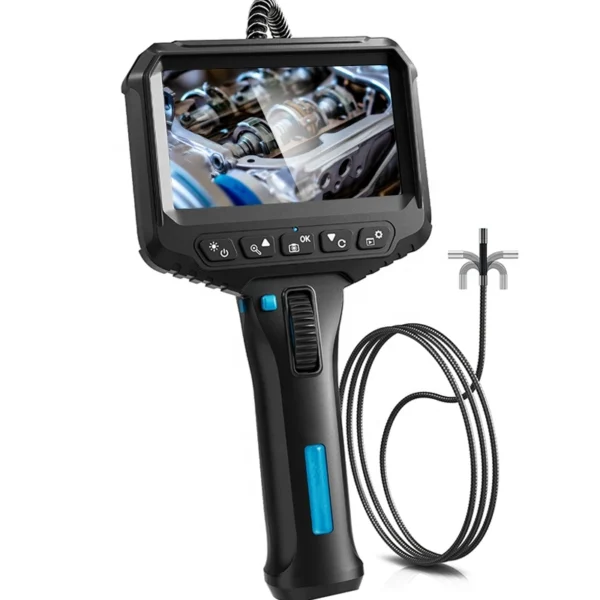
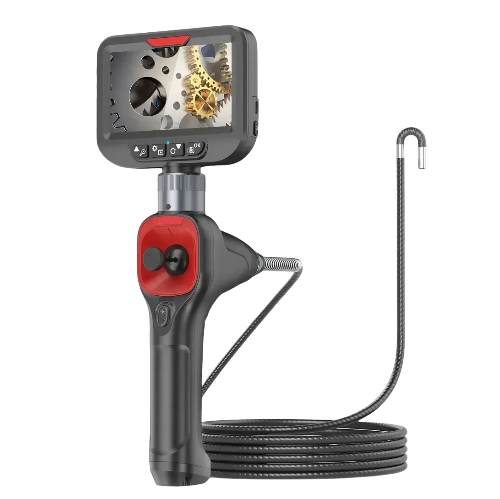
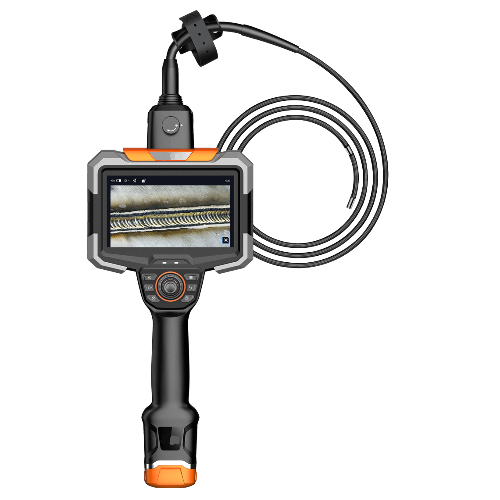
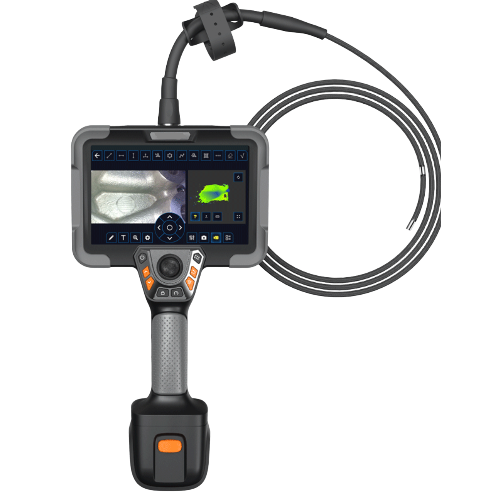
VW Series 4.3” Wheel Control Videoscope
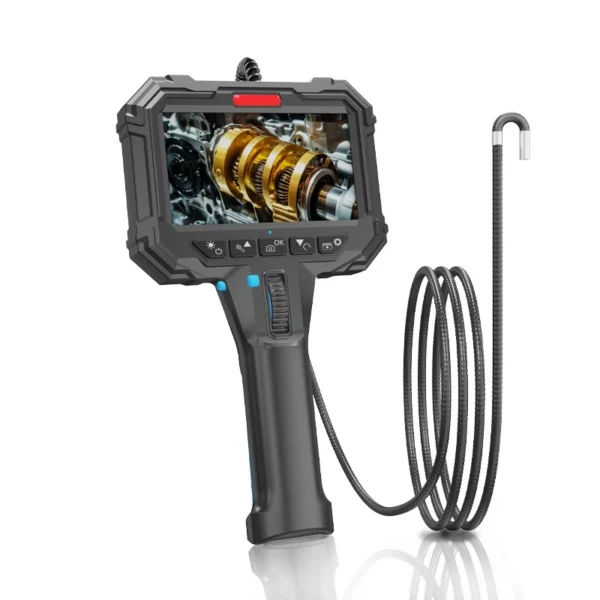
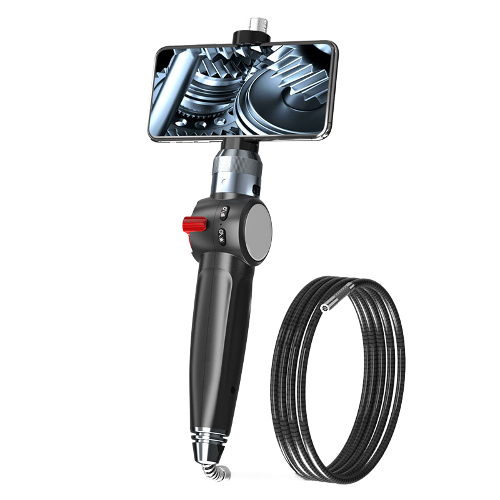
VL Series 5” Wheel Control Videoscope
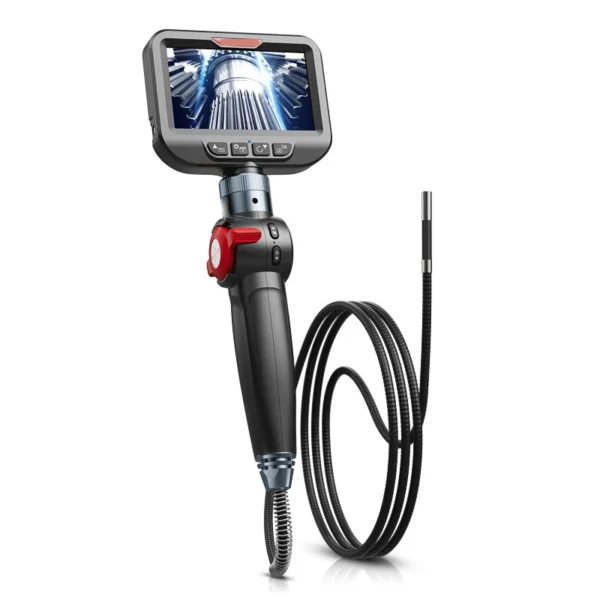
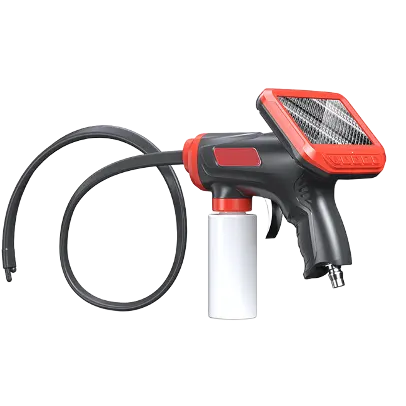
VK Series 4.3” Knob Control Videoscope
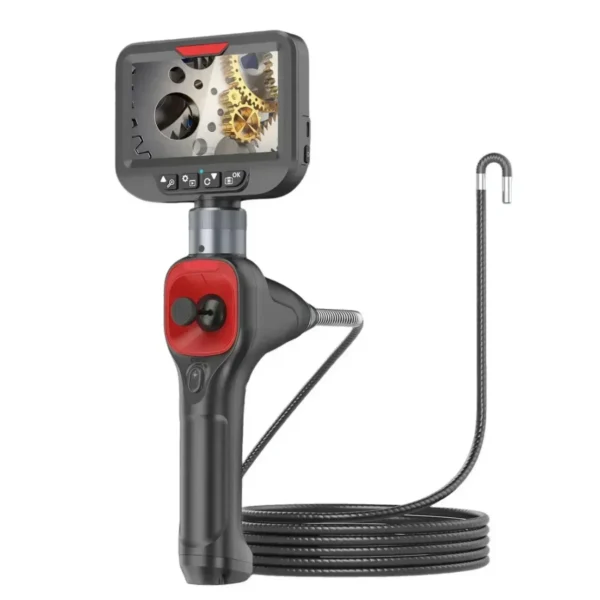
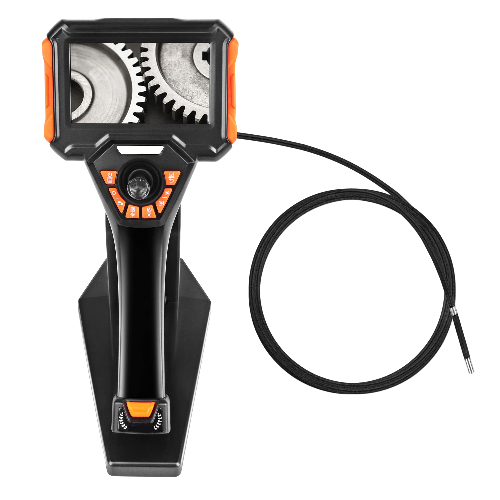
VA Series 4.3” All-Way Articulation Videoscope
Get a Quote for Petrochemical Endoscope
No. 255 Cheng Xing Street, Shi Jingshan, Beijing, China
www.innavi.net
www.industrial-borescope.com