

Industry Overview
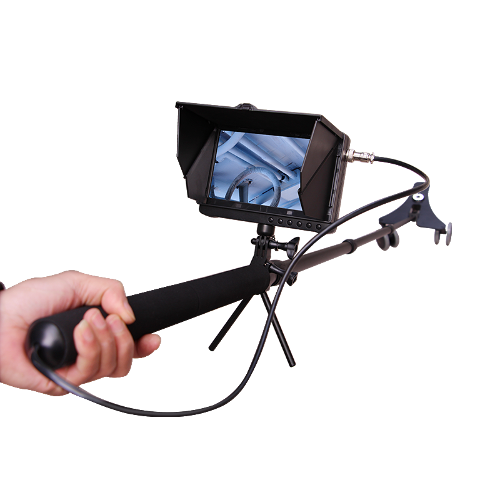
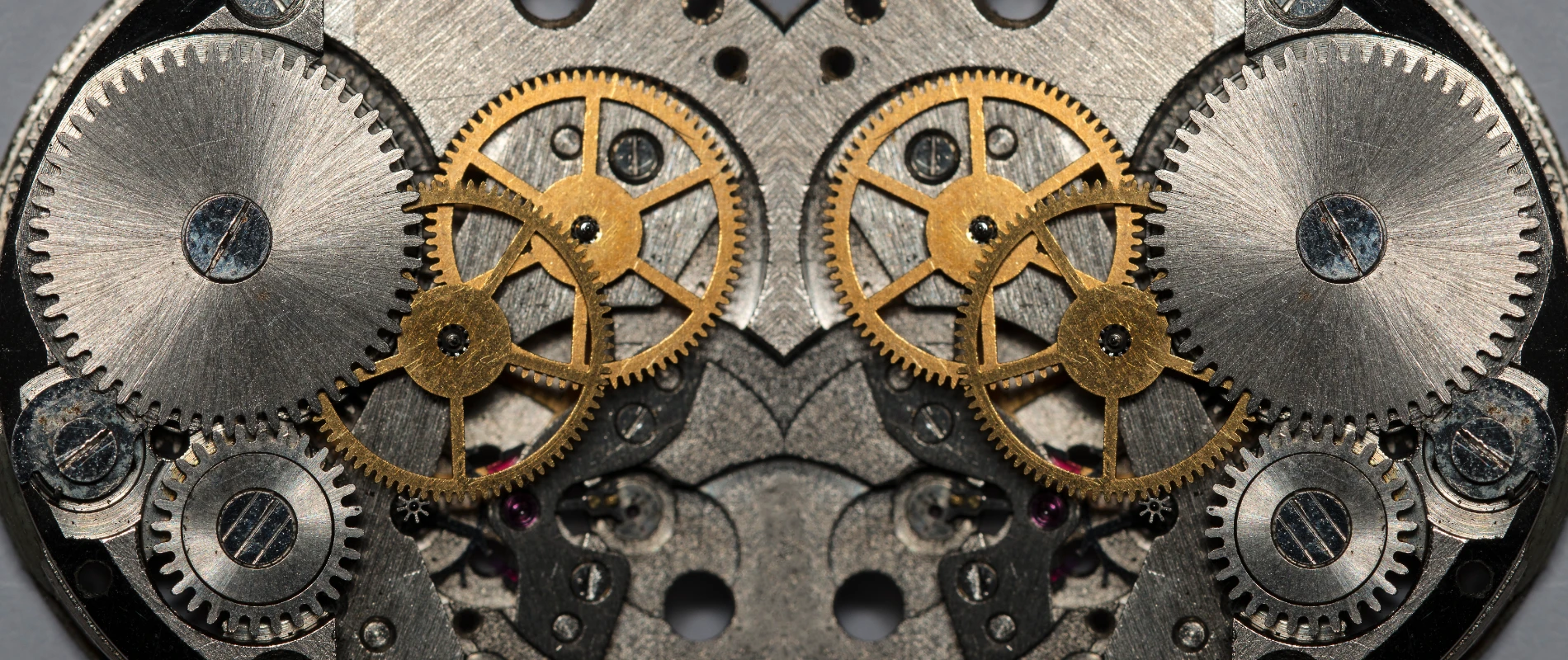
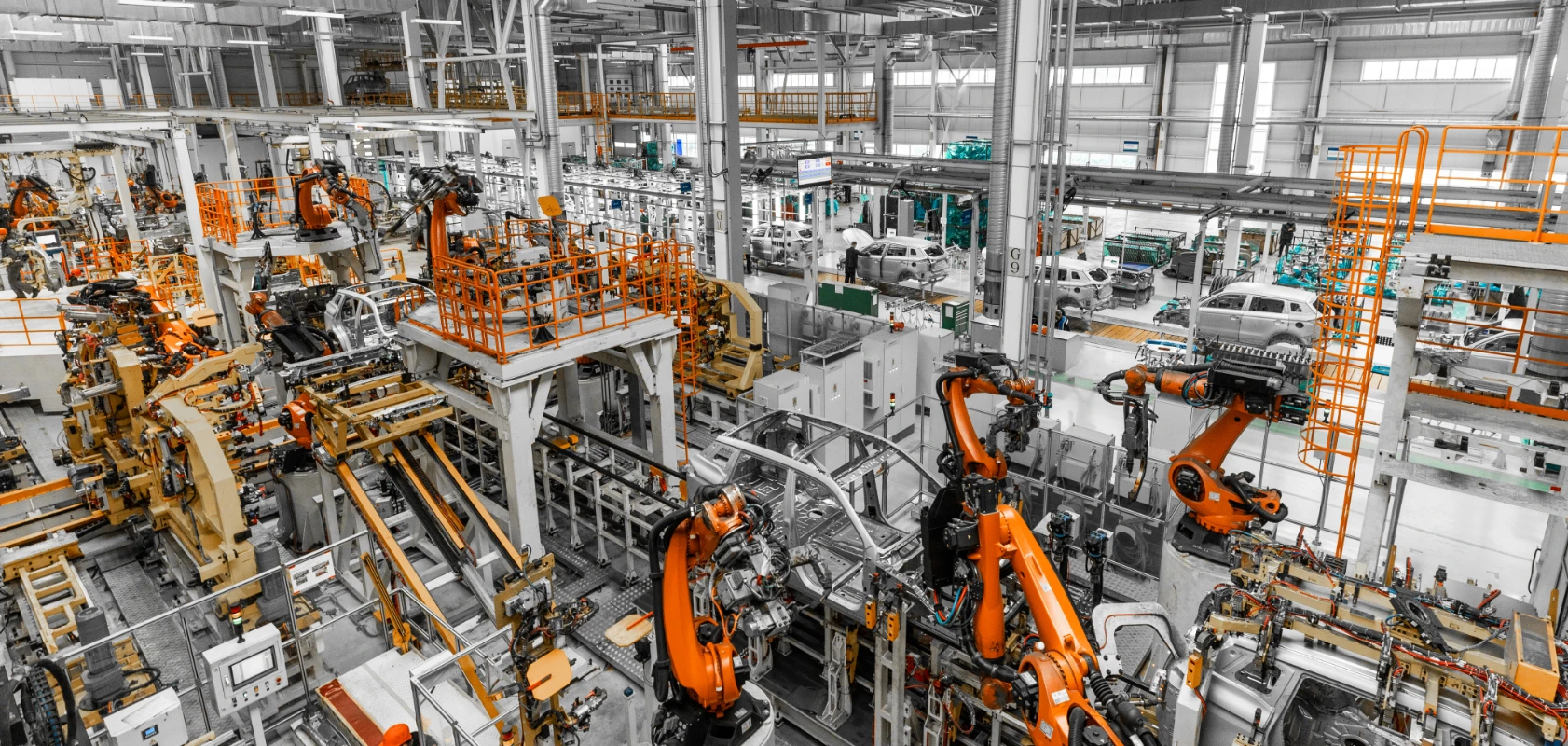
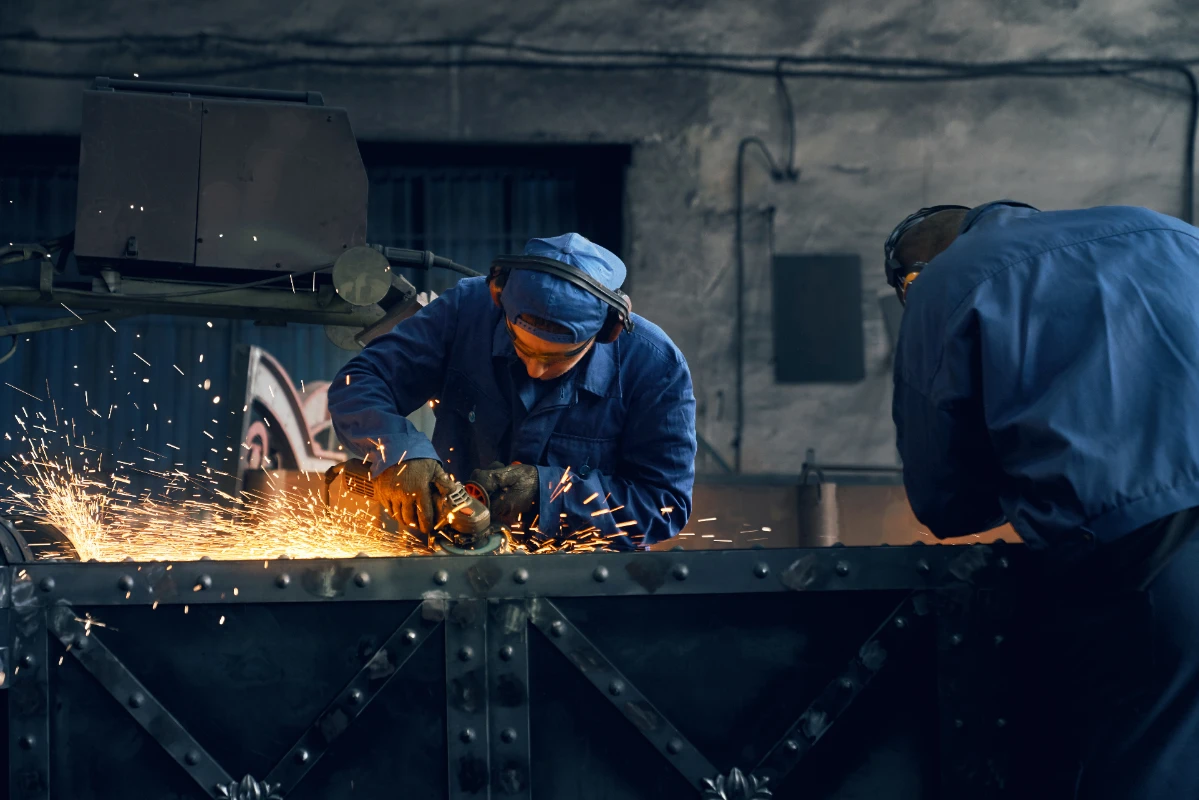
Mechanical manufacturing and casting are the backbones of modern industry, demanding extreme precision and structural integrity. However, “invisible defects” like porosity and cracks often hide within complex internal geometries. Traditional teardown inspections are costly and inefficient. As a result, industrial endoscopes—high-precision Non-Destructive Testing (NDT) tools—have become indispensable in mechanical manufacturing for ensuring yield rates and optimizing workflows.

Applications
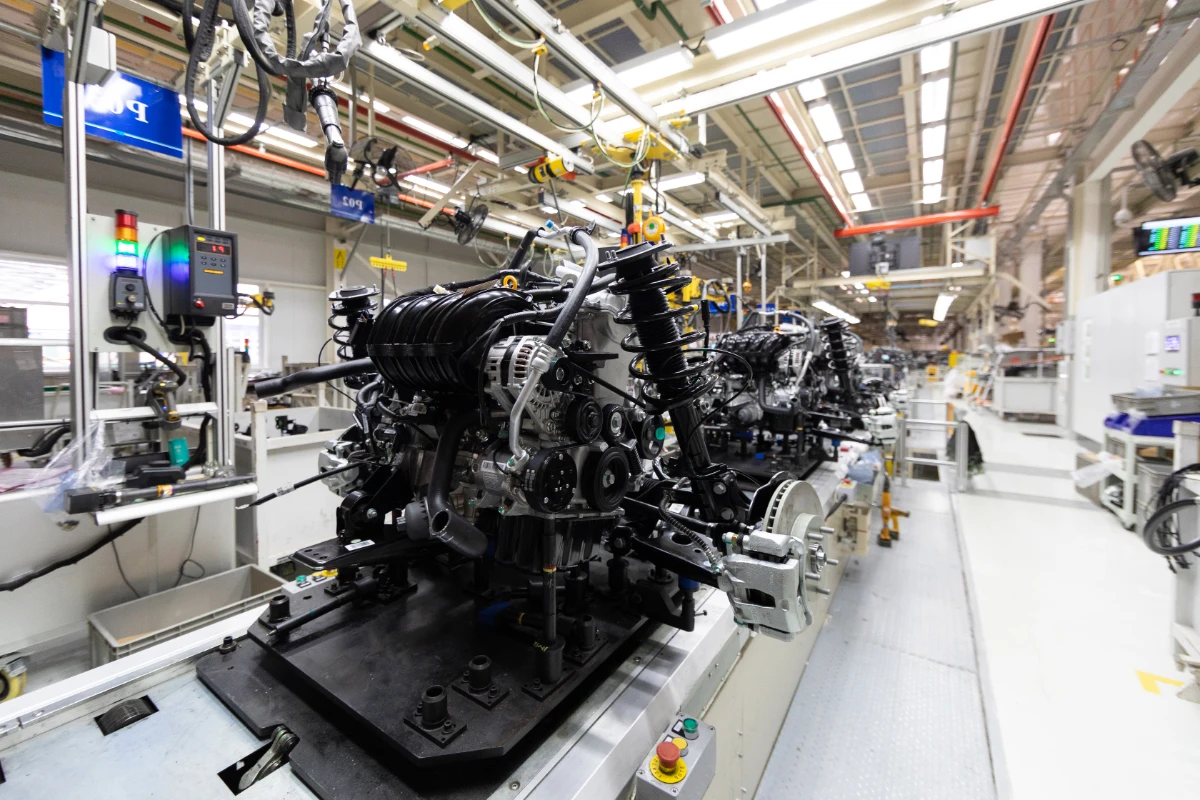
In the mechanical manufacturing sector, industrial endoscopes are primarily used for internal defect detection and assembly monitoring: • Casting Inspection: Identifying blowholes and slag inclusions inside cylinders and pump bodies.
Process Monitoring: Confirming thorough sand removal and inspecting mold cavities in mechanical manufacturing lines.
Precision Assembly: Checking the installation accuracy of high-stakes components like turbine blades.
Equipment Maintenance: Monitoring lubrication and wear on critical drive components and guide rails.
Selection Guide
When selecting a scope for mechanical manufacturing environments, consider these technical specs:
Probe Specifications: Match the probe diameter to the narrowest access port of the mechanical manufacturing component.
Image Quality: Prioritize high-resolution sensors with adjustable LED lighting to capture details on reflective metallic surfaces.
Advanced Features: For precision mechanical manufacturing, opt for units with 3D Measurement capabilities to quantify defects.
Ruggedness: Ensure the equipment is oil-proof and waterproof to withstand harsh factory floor conditions.
Value Proposition
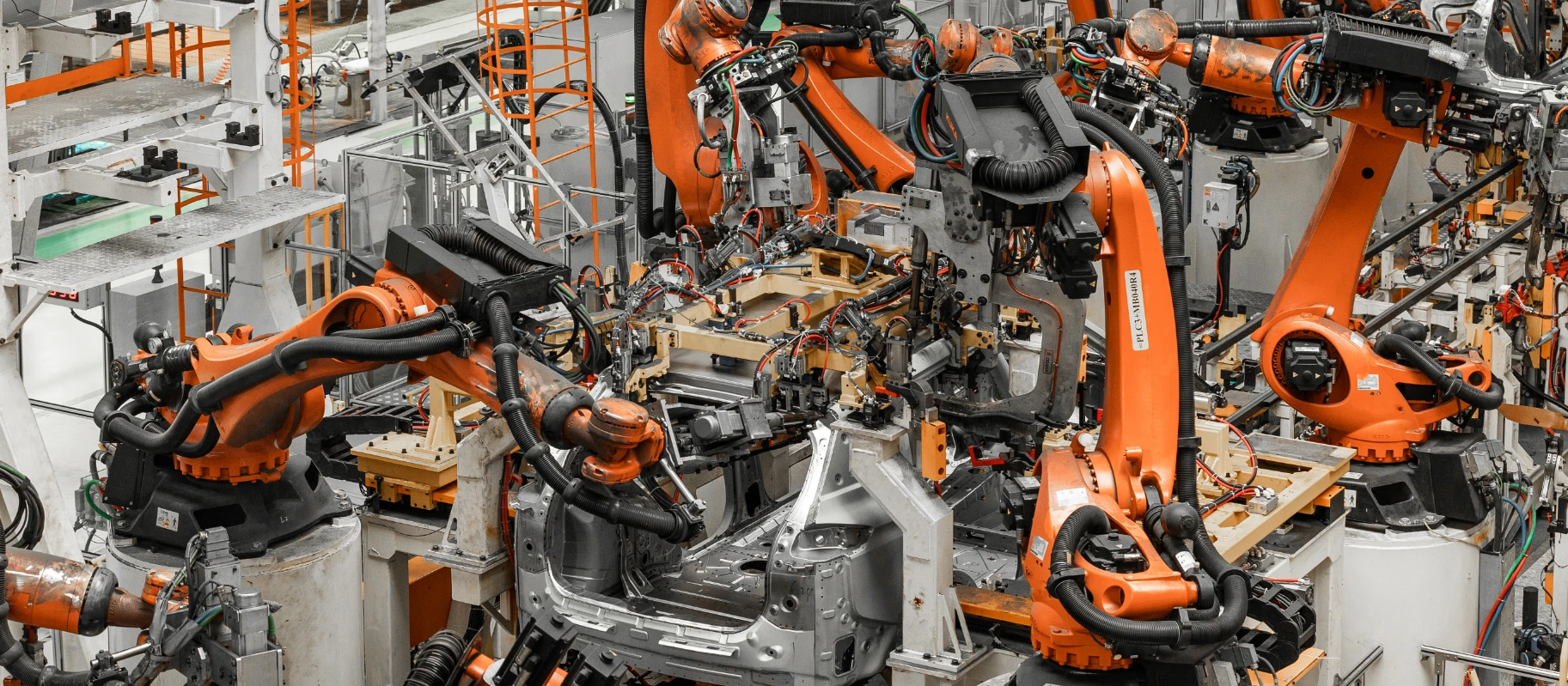
Boosting Yield Rates: By catching minute defects early in mechanical manufacturing, companies can significantly increase yield, often raising rates from 85% to over 95%.
Cost Efficiency: Perform “in-situ” inspections without disassembling machinery, preventing wasted machining costs on defective mechanical manufacturing parts.
Process Optimization: Visual data helps engineers fine-tune casting parameters for continuous improvement in mechanical manufacturing workflows.
Safety & Reliability: Remote evaluation of hazardous areas ensures equipment uptime and operator safety.
FAQ
How do I handle heavy glare on metallic parts in mechanical manufacturing?
Use a scope with manual brightness control or anti-glare technology. Adjusting the probe angle can also minimize direct reflections on mechanical manufacturing components.
How do I choose the right probe diameter for mechanical manufacturing?
The probe should be slightly smaller than the access port. For precision mechanical manufacturing, diameters between 2.0mm and 6.0mm are the industry standard.
Can endoscopes accurately measure defects in mechanical manufacturing?
Yes. Scopes with 3D phase scanning provide precise quantitative data on crack lengths and pit depths for mechanical manufacturing quality control.
Which is better for mechanical manufacturing: a flexible or rigid scope?
Rigid scopes offer superior clarity for straight holes, while flexible videoscopes are essential for navigating complex channels in mechanical manufacturing parts.
Mechanical Manufacturing Borescope Featured Products
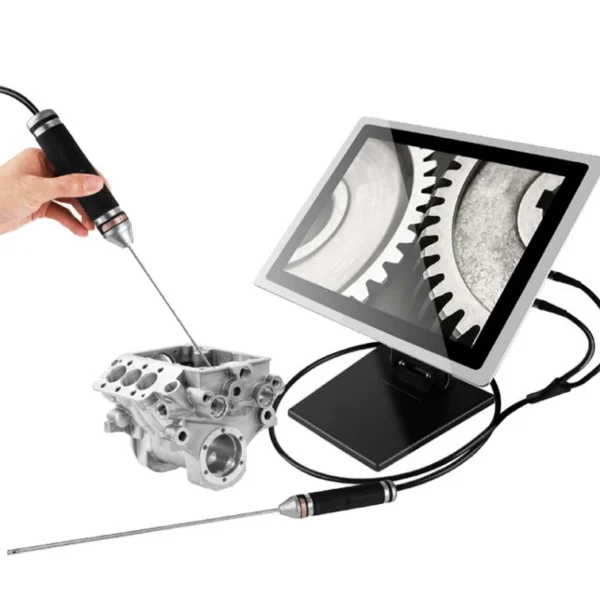
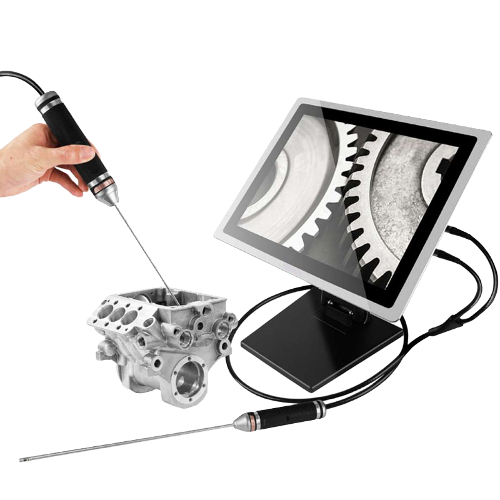
RD Series 10”/15” Touchscreen 1080P HD Desktop Rigid Rod Borescope
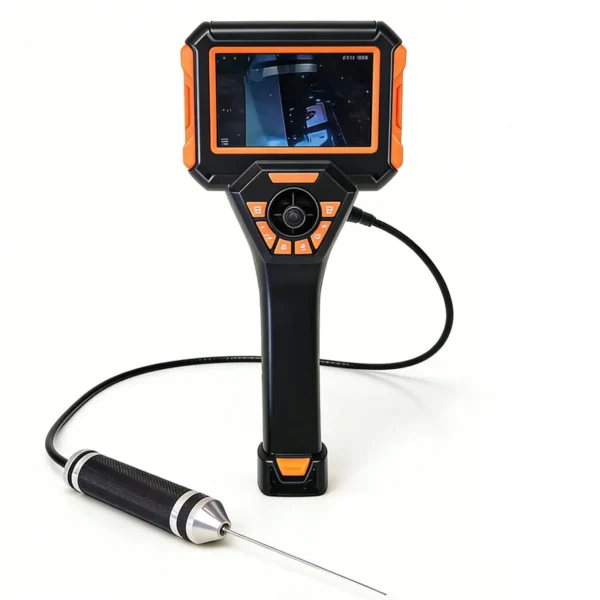
RH Series 4.3” Display 1080P HD Handheld Rigid Rod Borescope
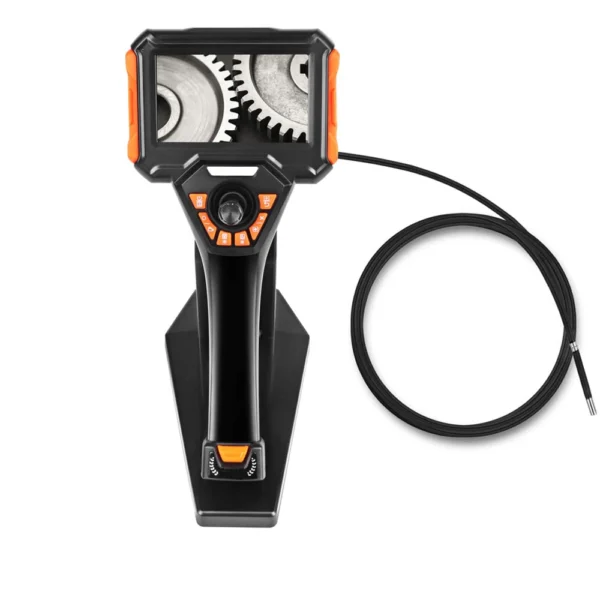
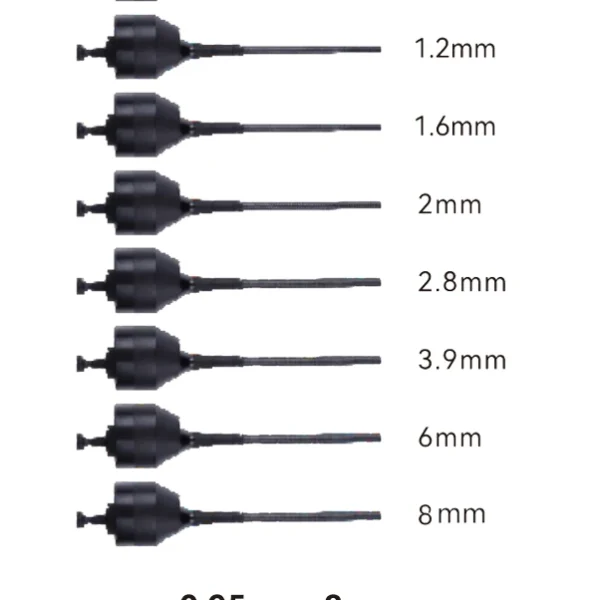
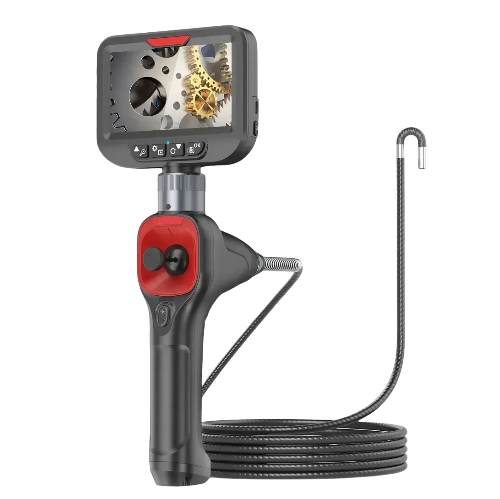
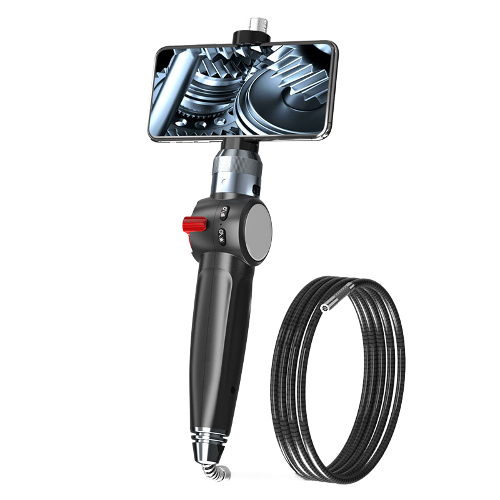
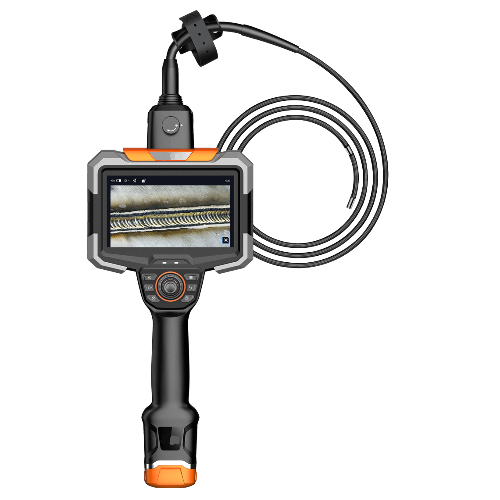
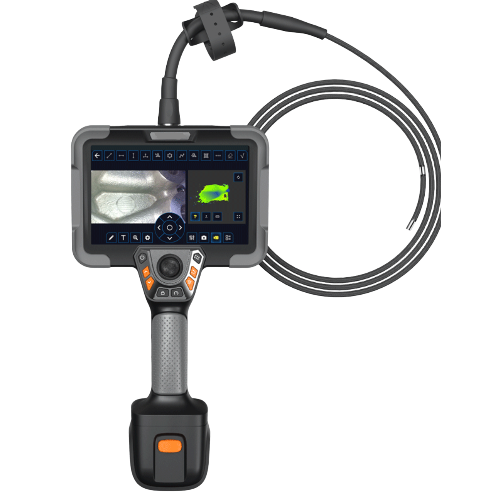
BO Series 360° Articulation 1080P HD Joystick Control 4.3” Optimal HD Borescope
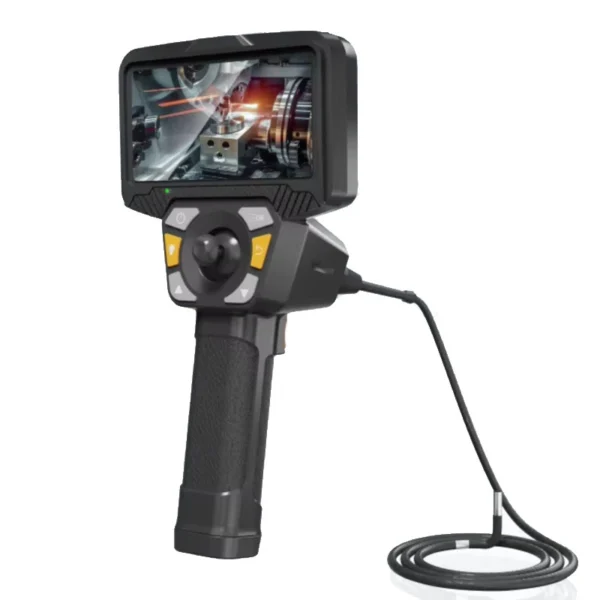
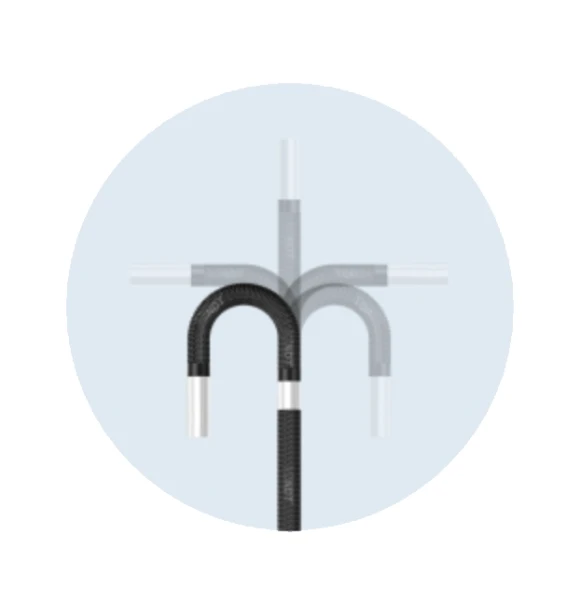
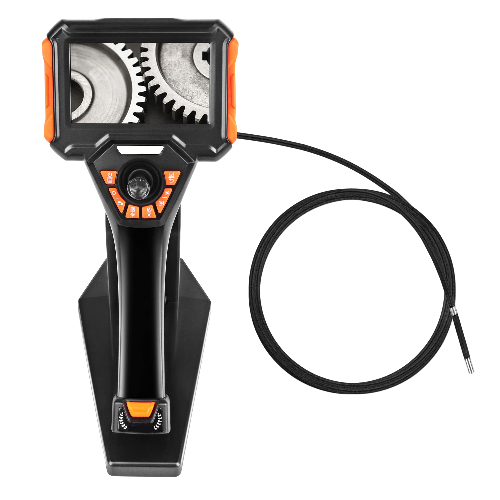
BI Series 360° Articulation 1080P HD Joystick Control 5” Intuitive Borescope
Get a Quote for Mechanical Manufacturing Endoscope
No. 255 Cheng Xing Street, Shi Jingshan, Beijing, China
www.innavi.net
www.industrial-borescope.com