

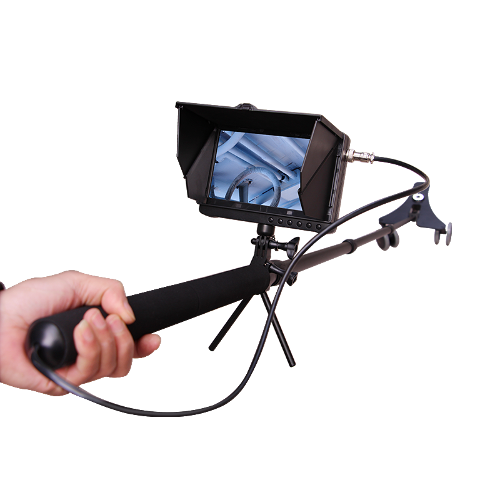

Industry Overview
The energy sector—encompassing thermal, nuclear, and wind power—serves as the backbone of the economy. Equipment in this field typically operates under extreme conditions, including high temperatures, high pressure, intense radiation, or harsh natural environments. Because these systems are complex and require continuous operation, any failure or unscheduled downtime results in massive financial losses. With the rapid growth of renewable energy, the demand for equipment safety and operational efficiency has reached new heights, making precise, non-destructive testing (NDT) essential.


Applications
An energy industry borescope is an indispensable diagnostic tool designed to perform high-stakes inspections of critical infrastructure, ensuring the stability of power grids by detecting internal defects in extreme environments.
Thermal & Hydro Power: Using an energy industry borescope to inspect corrosion in boiler tubes, identify cracks or wear on turbine blades, and monitor fouling in heat exchanger bundles.
Wind Power: Utilizing an energy industry borescope to penetrate blade interiors for composite delamination or cracks; inspecting gearbox and generator bearings; and checking tower weld integrity.
Nuclear Power: Deploying radiation-hardened energy industry borescopes for remote monitoring of reactor pressure vessel welds, foreign object search and retrieval (FOSAR) in steam generators, and inspecting main pump flow seals.
Selection Guide
When choosing an energy industry borescope, technical specifications must prioritize environmental resilience—such as radiation hardening or extreme water resistance—alongside advanced measurement capabilities for large-scale assets.
Durability: Nuclear-grade energy industry borescopes require radiation-resistant probes, while standard power plant environments require high IP ratings (such as IP68) for water and dust resistance.
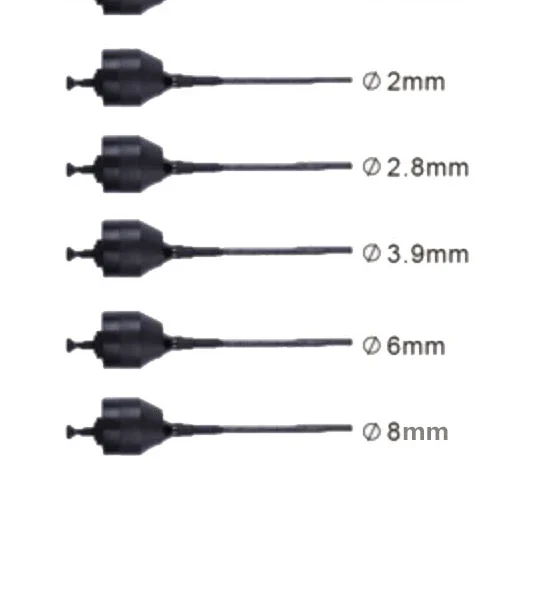
Dimensions & Reach: Specialized energy industry borescopes offer ultra-thin probes (1.8mm–2.8mm) for narrow tubing, while wind turbine towers require extra-long insertion tubes reaching up to 30 meters.
Advanced Features: Priority should be given to an energy industry borescope with 360° motorized articulation, high-definition glare reduction, 3D phase measurement, and integrated retrieval tools.


Value Proposition
The strategic deployment of an energy industry borescope transforms maintenance from a reactive necessity into a predictive asset, significantly reducing the risk of unplanned outages and enhancing personnel safety in hazardous zones.
Non-Destructive Testing (NDT): The energy industry borescope evaluates internal conditions without teardowns, significantly reducing downtime and O&M (Operations & Maintenance) costs.
High-Precision Early Warning: By detecting micro-cracks at the millimeter level, the energy industry borescope enables “predictive maintenance” to prevent catastrophic infrastructure failures.
Enhanced Safety: An energy industry borescope allows for remote inspection in high-heat, high-radiation, or offshore sites, keeping technical personnel out of harm’s way.
Data-Driven Decisions: Smart diagnostics provided by a high-end energy industry borescope support accurate equipment life-cycle assessments and long-term planning.
FAQ
Can an energy industry borescope see through oil film or water mist?
Yes, modern energy industry borescopes use pulsed light sources and advanced image enhancement algorithms to suppress glare and reveal hidden details in obscured power plant environments.
Will radiation damage the camera of an energy industry borescope in nuclear environments?
Standard cameras will fail, so specialized radiation-hardened energy industry borescopes are required. These are built with radiation-resistant glass and shielding designed to operate reliably in high-dose zones.
How does an energy industry borescope determine the depth of a detected crack?
Utilizing 3D stereo or phase measurement technology, the energy industry borescope can perform quantitative analysis on defect size and depth with an accuracy margin as fine as 0.05mm.

Energy Industry Borescope Featured Products
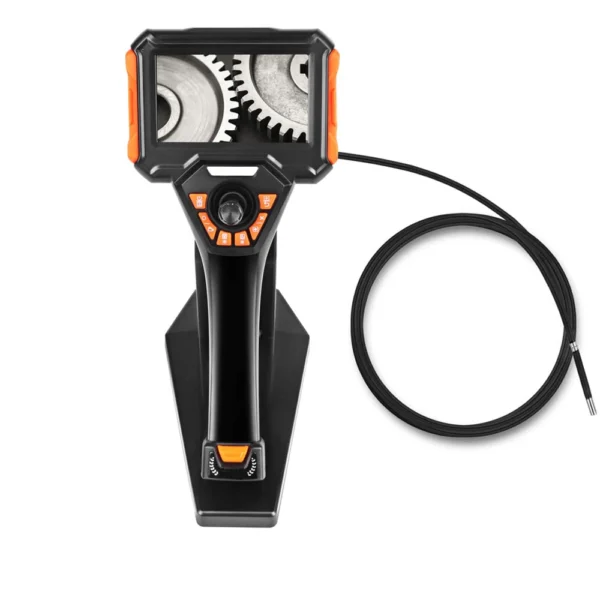
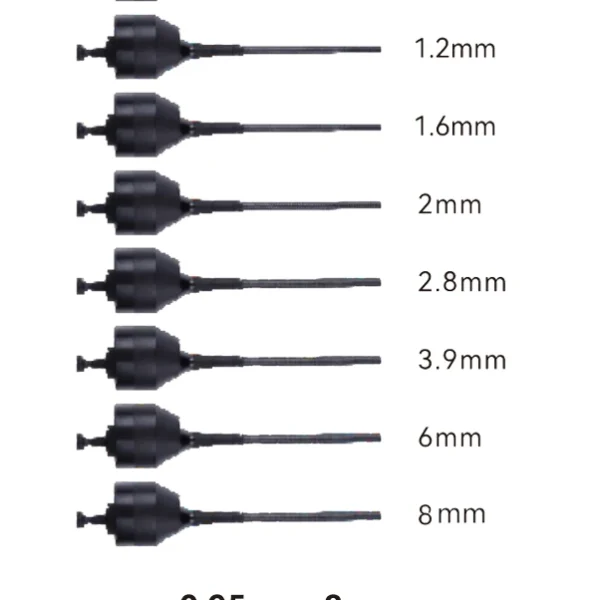
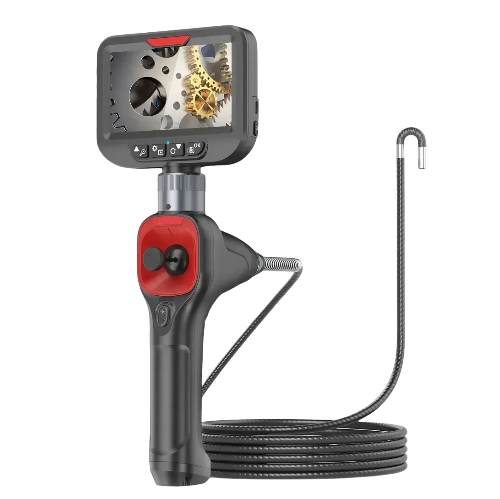
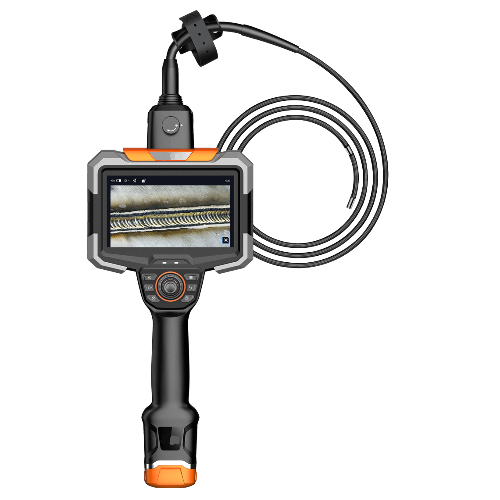
BO Series 360° Articulation 1080P HD Joystick Control 4.3” Optimal HD Borescope
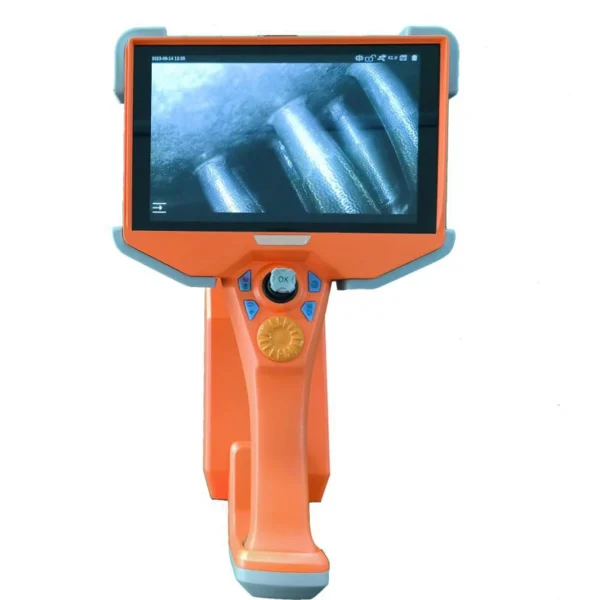
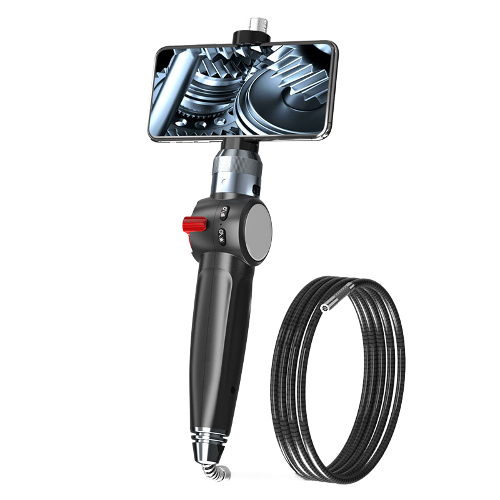
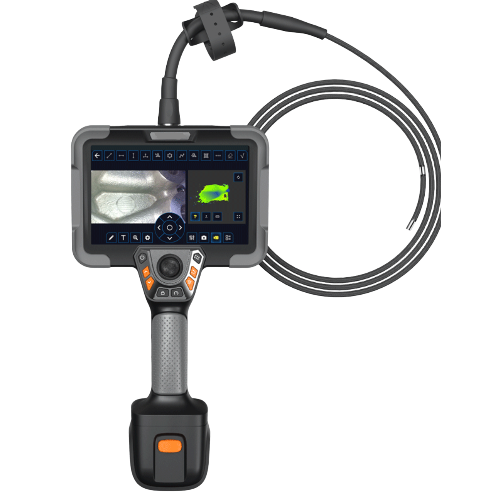
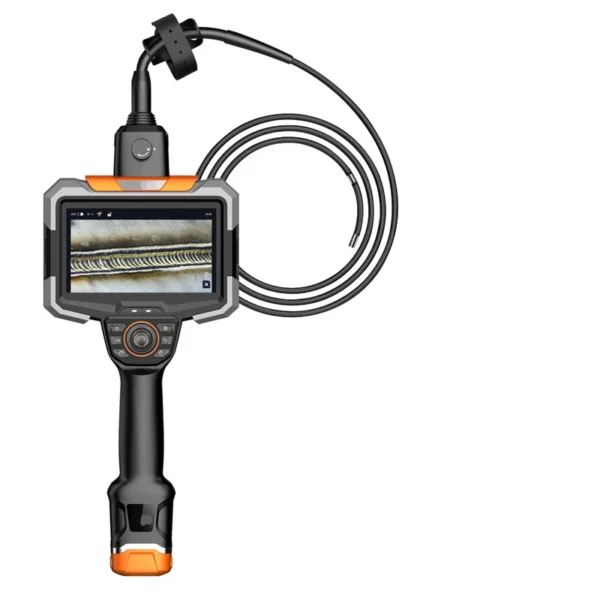
MA Series 360° Articulation 1080P Touch Screen 7” Acute Motor-driven HD Borescope
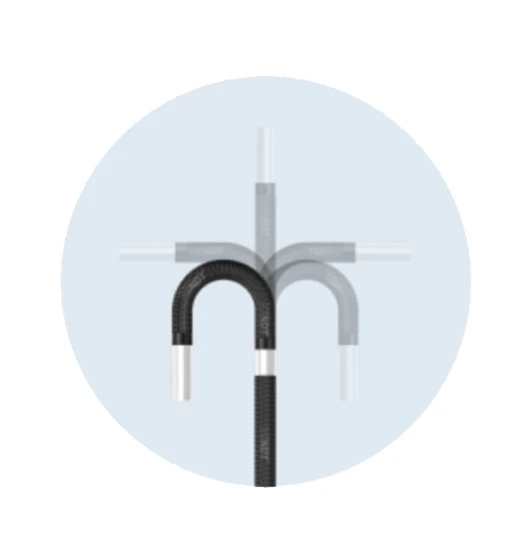
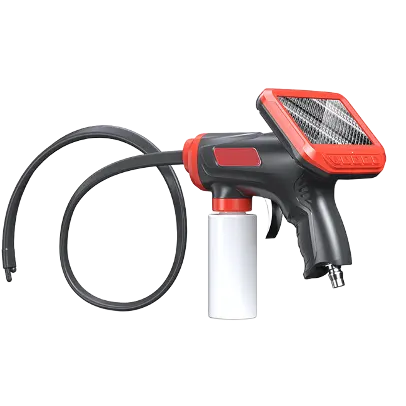
MD Series 360° Articulation 1080P Touch Screen 5.7” Dynamic Motor-driven HD Borescope
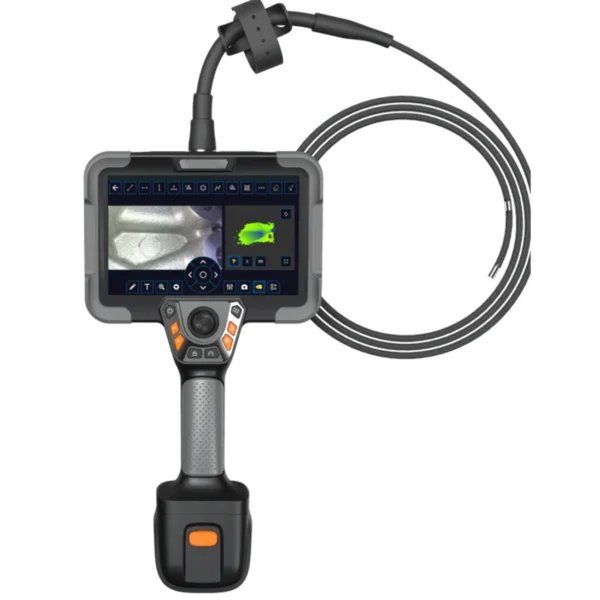
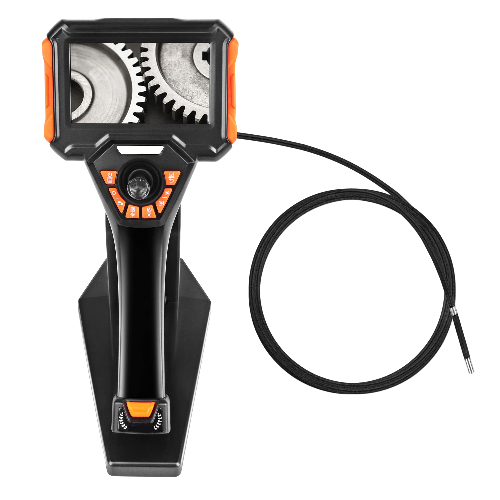
DE Series 360° Articulation Ultra HD Touch Screen 7” Elite Motor-Driven 3D Measurement Borescope
Get a Quote for Energy Industry Endoscope
No. 255 Cheng Xing Street, Shi Jingshan, Beijing, China
www.innavi.net
www.industrial-borescope.com