


Industry Overview
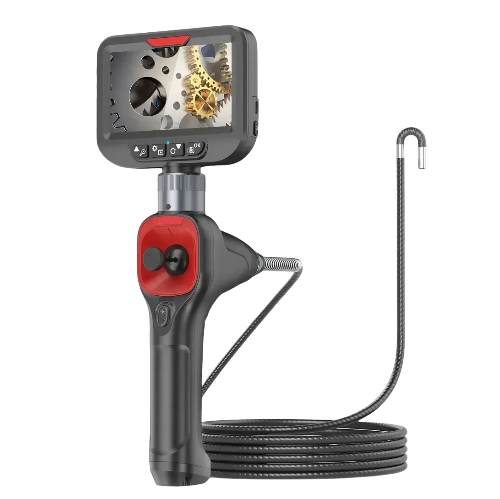
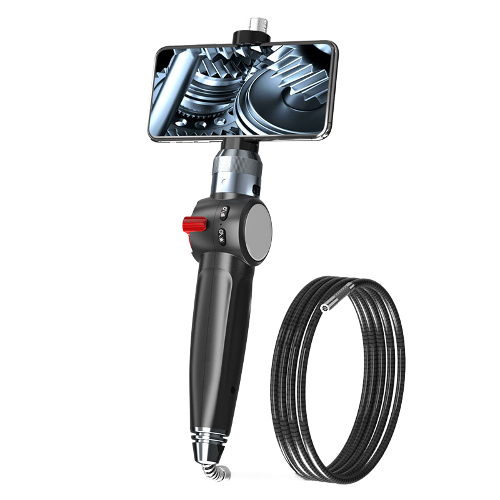
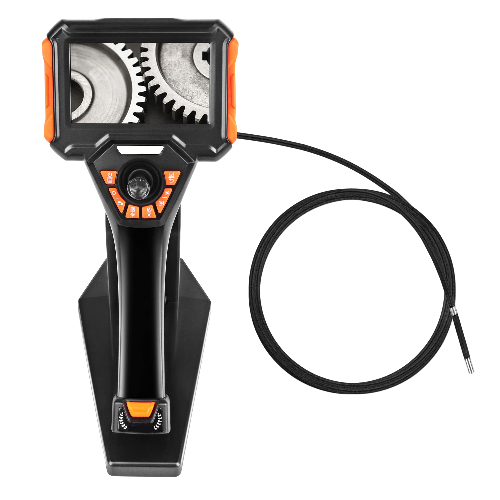
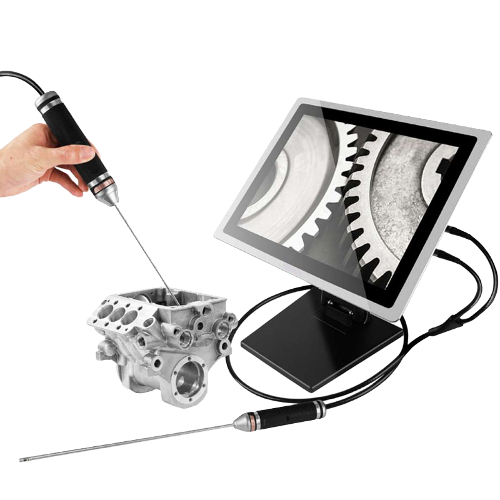
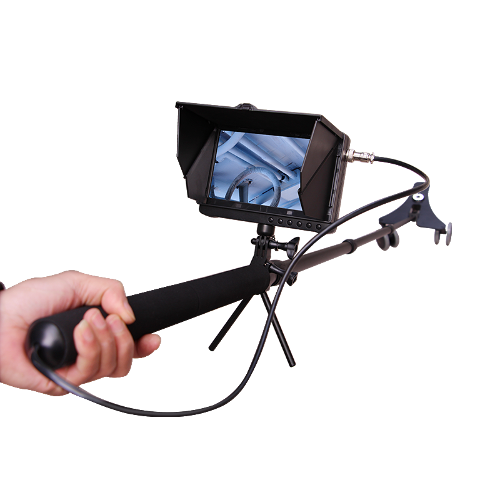
Aviation borescopes (often called engine scopes or videoscope systems) serve as a proactive barrier for flight safety. As a cornerstone of Non-Destructive Testing (NDT) in aviation, they utilize high-resolution probes to perform “on-wing” inspections without engine disassembly. The technology has evolved from basic standard-definition visuals to intelligent systems integrated with 4K imaging, 3D measurement, and AI recognition. It is an indispensable tool across aircraft manufacturing, routine line maintenance, and engine overhaul (MRO) for both commercial and general aviation.

Applications
An aviation borescope is a critical diagnostic tool used to perform high-precision visual inspections of an aircraft’s internal systems, ensuring flight safety by detecting defects without the need for costly engine or airframe disassembly.
Engine Inspection: The primary use case. Monitoring combustion chambers, turbine blades, and compressor blades for cracks, carbon buildup, erosion, and Foreign Object Damage (FOD) or bird strikes.
Airframe & Structure: Inspecting internal skin corrosion, composite delamination, weld fatigue, and debris within honeycomb structures.
System Diagnostics: Detecting rust in fuel lines, wire harness chafing, and hydraulic leaks in landing gear assemblies.
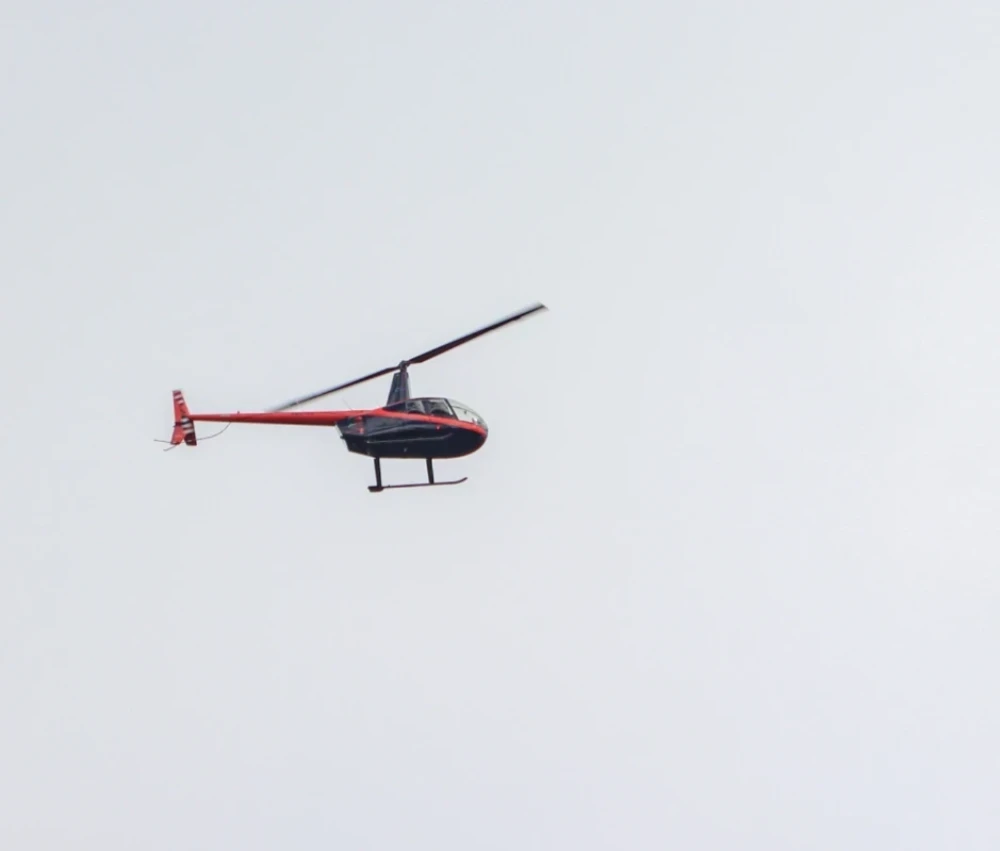
Specialized Tasks: Inspecting helicopter elastomeric bearings, performing quantitative 3D measurement of defect depths, and utilizing robotic grippers to retrieve internal FOD.
Selection Guide
When selecting an aviation borescope, technical specifications must meet rigorous aerospace standards, focusing on probe maneuverability, imaging clarity, and the ability to operate safely in hazardous environments.
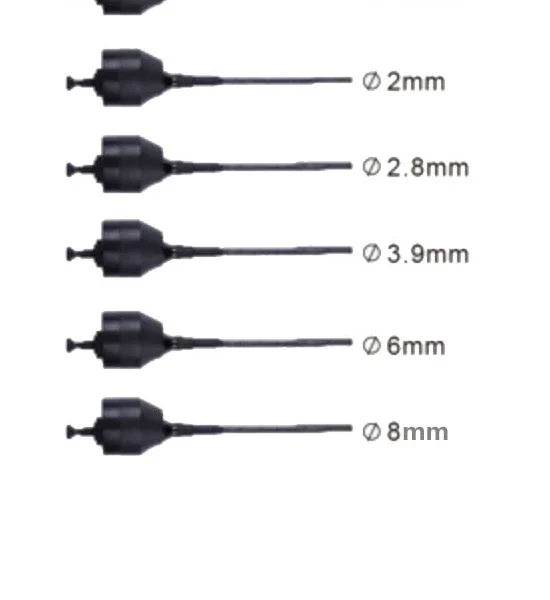
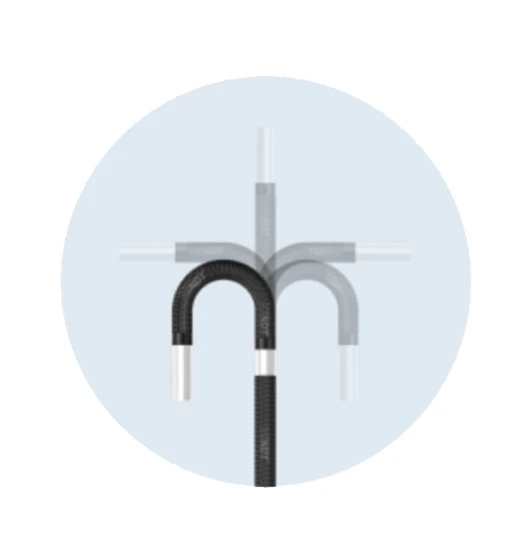
Probe Specifications: Prioritize diameters of 1mm–4mm (with 2.8mm being the industry standard) for navigating narrow passages. Look for 360° all-way articulation and modular tube designs.
Imaging & Lighting: 1080P or 4K resolution is required, with screen brightness ≥500 cd/m². LED cold light sources or fiber optic lighting are mandatory to eliminate fire hazards from sparks.
Core Functionality: Must feature 3D phase measurement for quantifying damage. The unit must also be oil-proof, waterproof, corrosion-resistant, and rated for high-temperature environments.

Value Proposition
The deployment of an advanced aviation borescope delivers immense operational value by significantly reducing aircraft downtime, enhancing maintenance accuracy, and supporting data-driven safety management.
Safety & NDT: Prevents secondary damage caused by frequent teardowns and accurately pinpoints “hidden failures.”
Cost & Efficiency: Reduces engine inspection times from days to just 1–2 hours, significantly cutting AOG (Aircraft on Ground) losses and labor costs.
Predictive Maintenance: Shifts the paradigm from “time-life replacement” to Condition-Based Maintenance (CBM), extending component life and reducing scrap rates through data monitoring.
Manufacturing Quality: Monitors weld integrity during production to ensure “zero-defect” parts and enable digital quality management.
FAQ
How do I handle severe image glare while using an aviation borescope?
Since aviation components are mostly metallic, glare is common. To resolve this, lower the LED brightness on your aviation borescope or slightly rotate the probe angle to avoid direct specular reflection from the polished surfaces.
What should I do if the aviation borescope probe gets stuck inside an engine?
Never pull forcefully, as this can damage both the engine and the aviation borescope. First, neutralize the articulation (return the tip to a neutral, straight position), then slowly retract. If it is caught between turbine blades, try manually rotating the engine fan to free the probe.
Why is the image on my aviation borescope suddenly blurry?
This is usually due to fuel residue, oil, or dust on the lens. Use a specialized lens tissue with anhydrous alcohol to gently clean the tip of the aviation borescope to restore high-definition clarity.
Can I perform an inspection with an aviation borescope on a hot engine?
No. You must wait for the engine to cool below 158°F (70°C) before inserting the equipment. Extreme heat will permanently damage the image sensor and the sensitive optics of the aviation borescope.

Aviation Borescope Featured Products
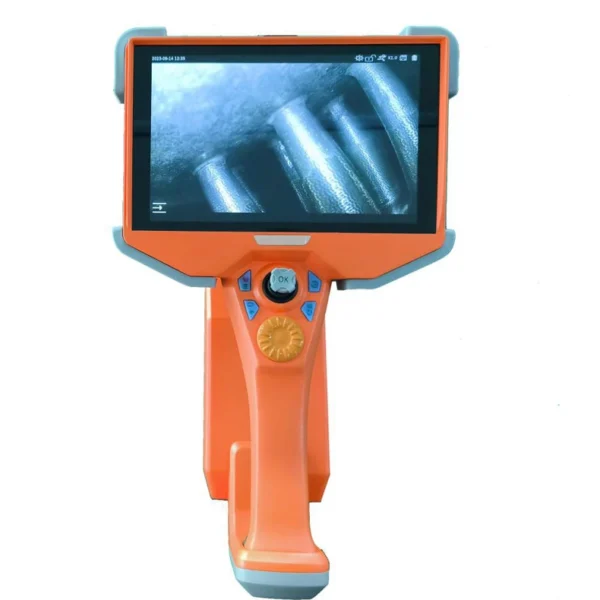
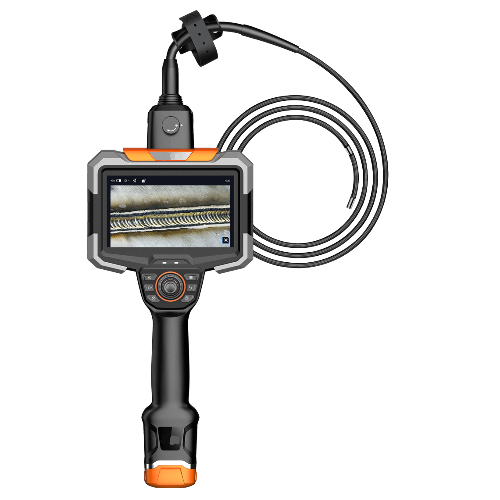
DA Series 360° Articulation Ultra HD Touch Screen 7” Acute Motor-Driven 3D Measurement Borescope
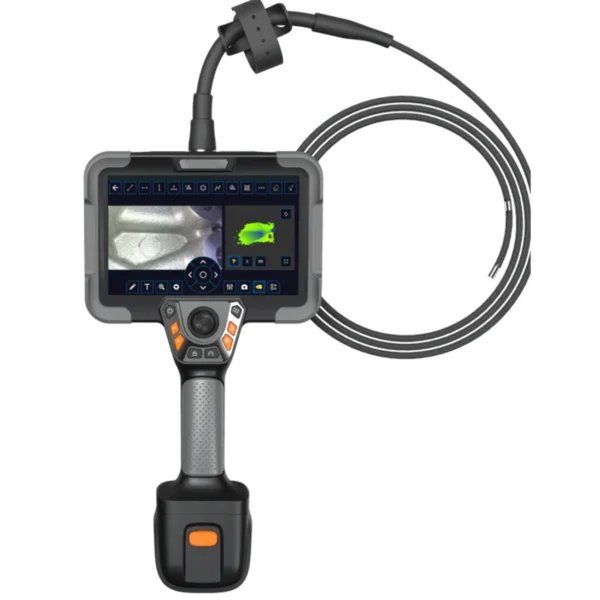
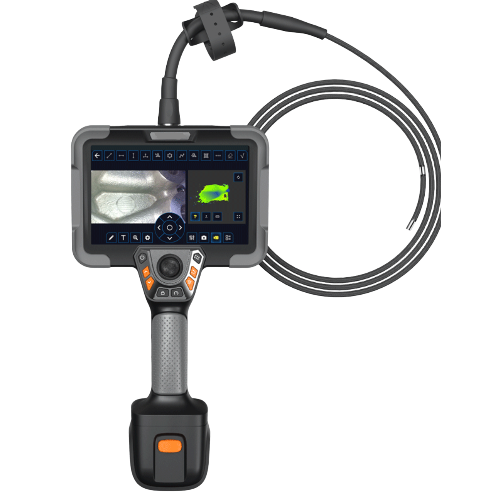
DE Series 360° Articulation Ultra HD Touch Screen 7” Elite Motor-Driven 3D Measurement Borescope
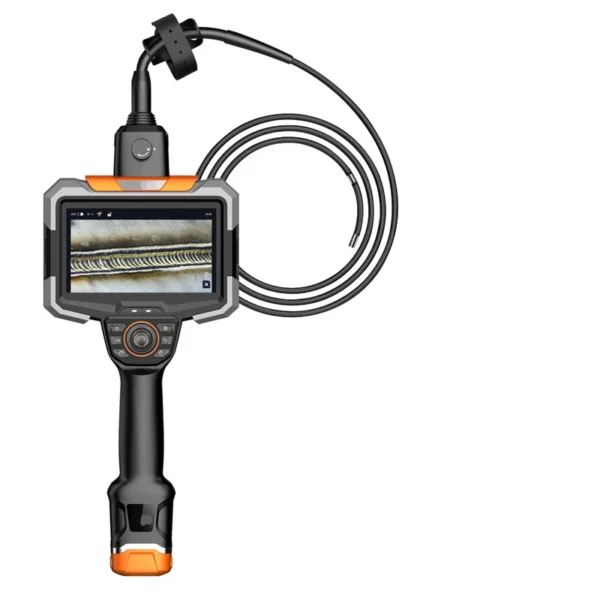
MD Series 360° Articulation 1080P Touch Screen 5.7” Dynamic Motor-driven HD Borescope
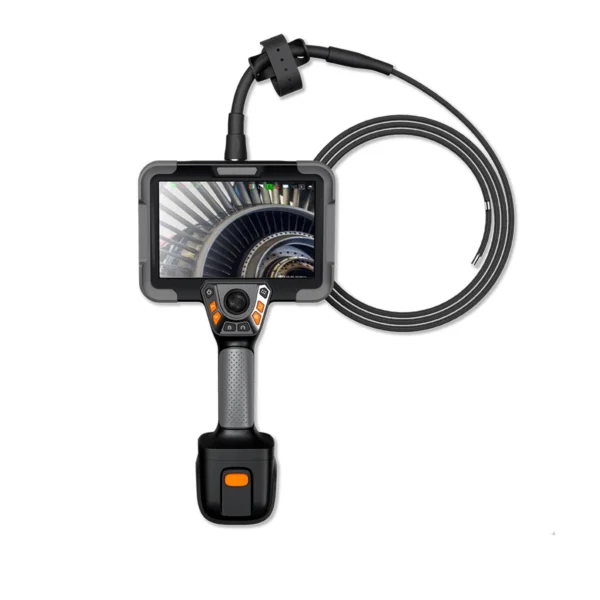
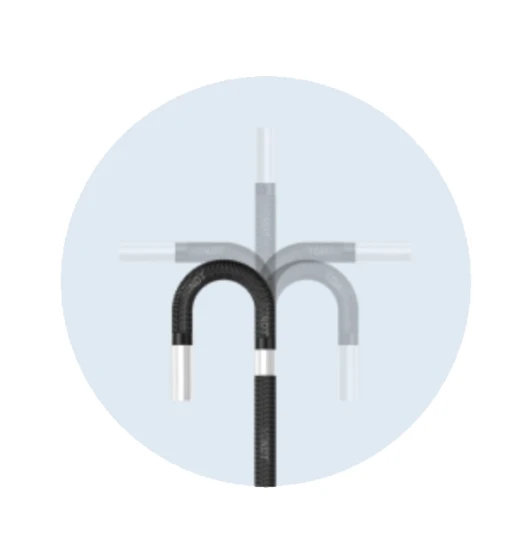
ME Series 360° Articulation 1080P Touch Screen 7” Elite Motor-driven HD Borescope
Get a Quote for Aviation Endoscope
No. 255 Cheng Xing Street, Shi Jingshan, Beijing, China
www.innavi.net
www.industrial-borescope.com