

Industry Overview
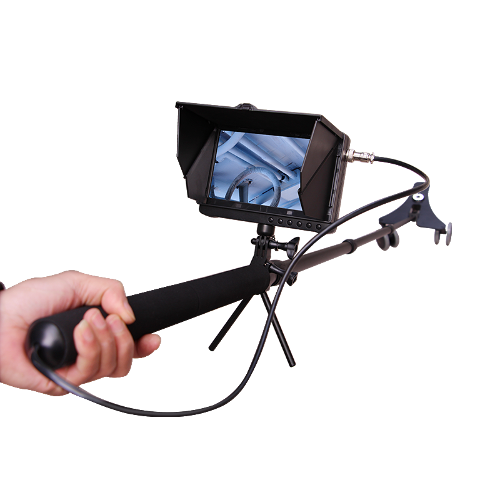
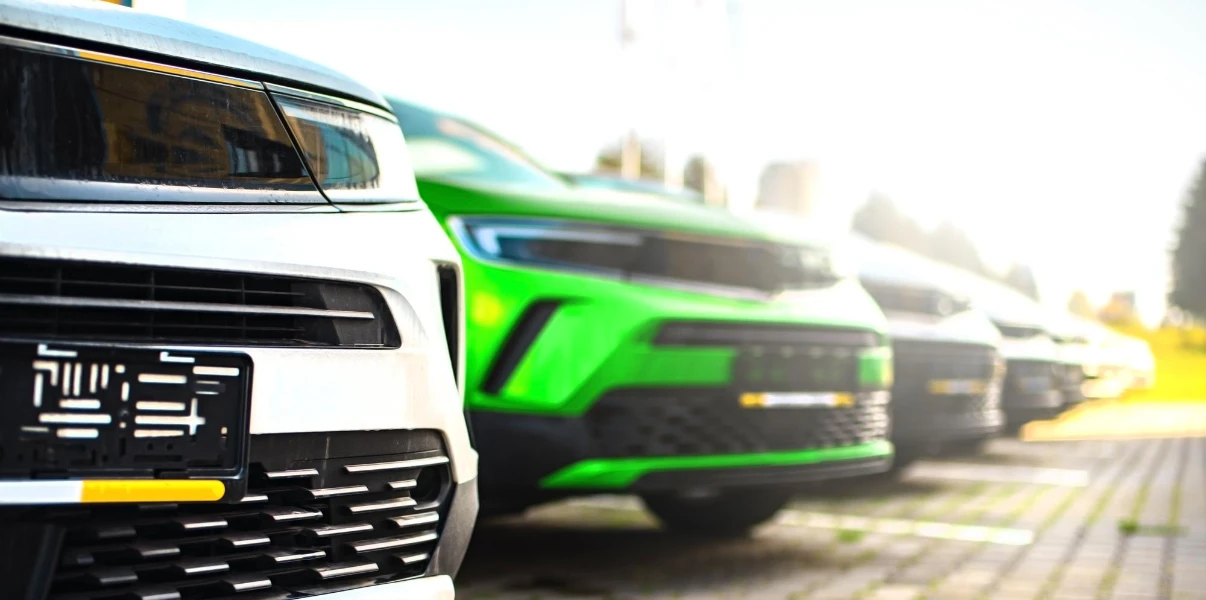
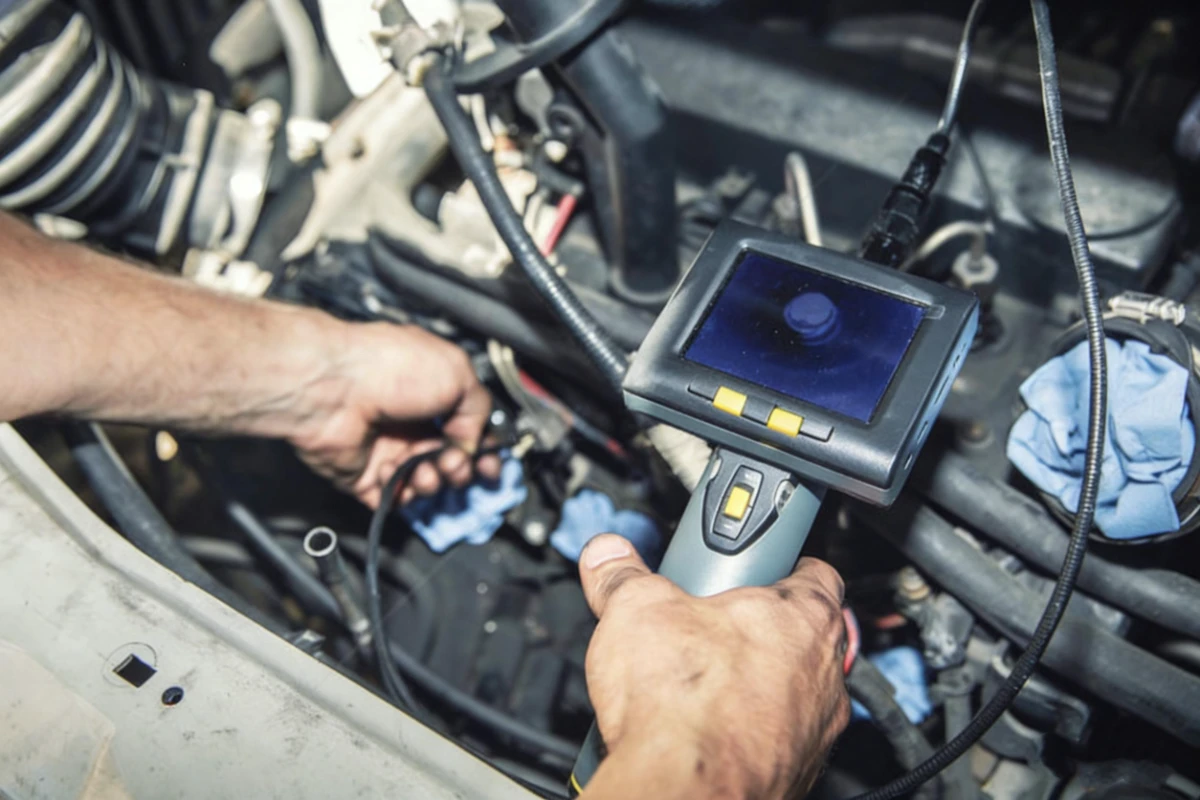
The automotive aftermarket and manufacturing sectors are shifting from “tear-down inspections” to Non-Destructive Testing (NDT). As modern vehicles become more complex and compact, traditional disassembly is not only time-consuming but also risks secondary damage. Often called the “gastroscope” of a car, industrial borescopes have become an essential tool for repair shops, dealerships, and OEMs. They play a critical role in everything from internal combustion engine and transmission diagnostics to used car appraisals, R&D testing, and EV powertrain maintenance.
Applications
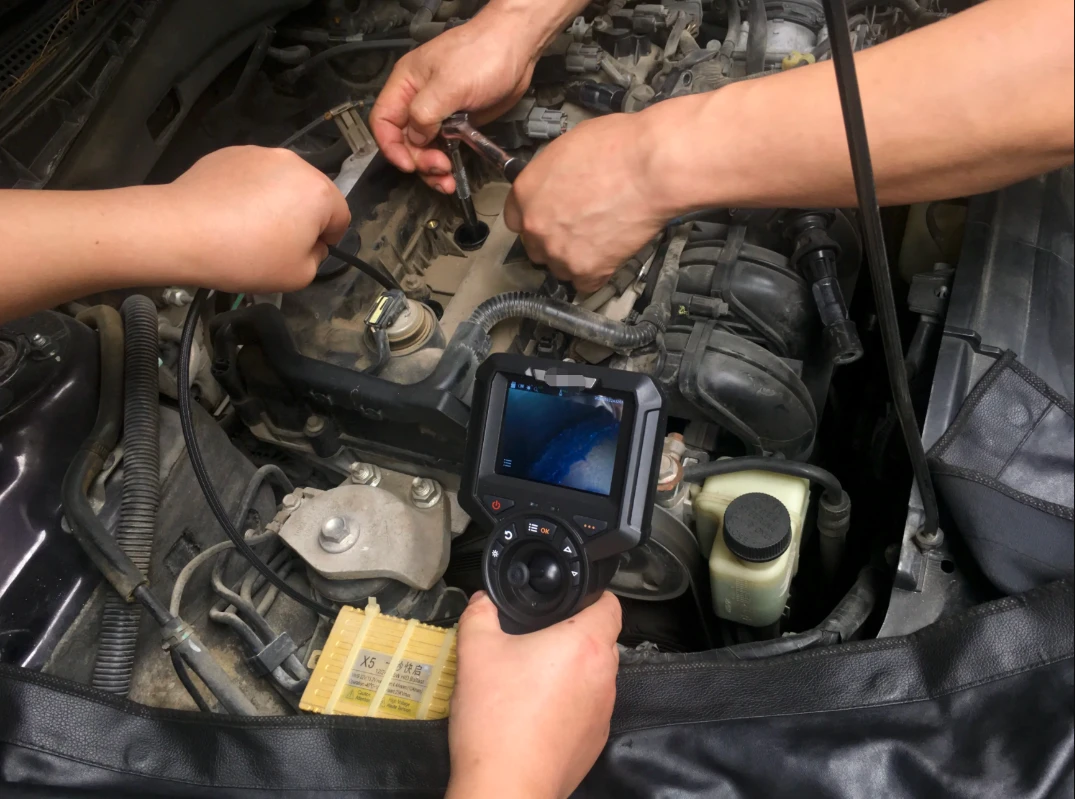
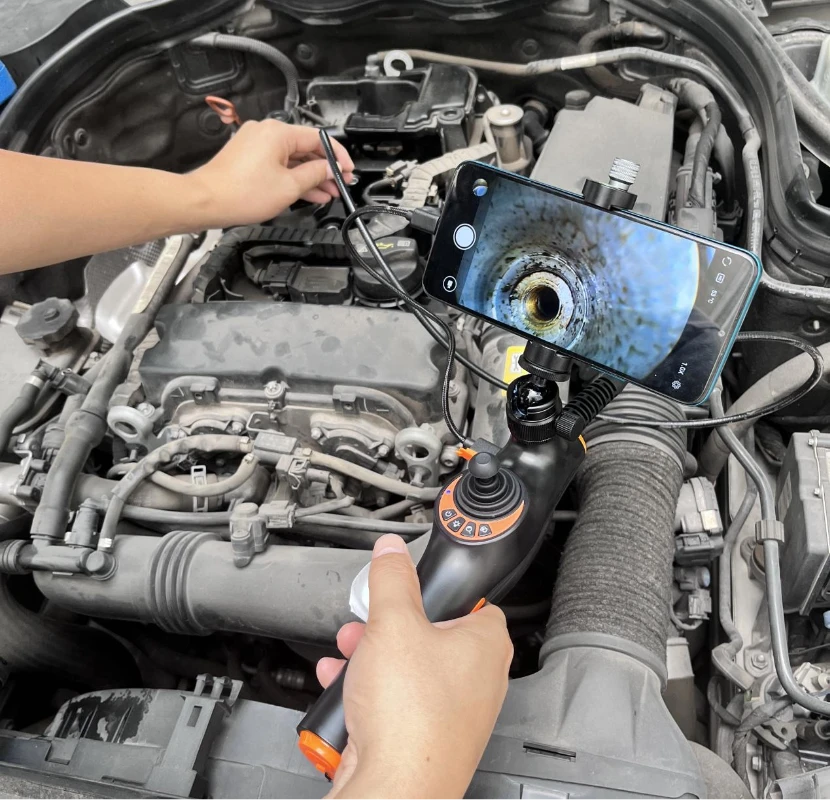
The automotive borescope is a versatile diagnostic tool designed to provide clear, internal views of a vehicle’s most critical and hard-to-reach components without the need for extensive teardowns.
Engine Diagnostics: Inspecting cylinders, carbon buildup on piston heads, cylinder wall scoring, valve wear, and oil leaks in spark plug wells.
Drivetrain & Exhaust: Observing wear on transmission gears and clutch plates; checking for clogged or melted catalytic converters.
Turbo & Cooling: Inspecting turbocharger blade chips, bearing play, and corrosion or blockages in cooling lines.
Chassis & EV: Detecting repair marks on frames/frame rails during used car inspections; checking EV battery packs for leaks or burn marks and inspecting motor windings.
Selection Guide
Selecting the right automotive borescope requires balancing probe maneuverability, high-definition imaging, and rugged durability to ensure the device can withstand the demanding conditions of a professional garage.
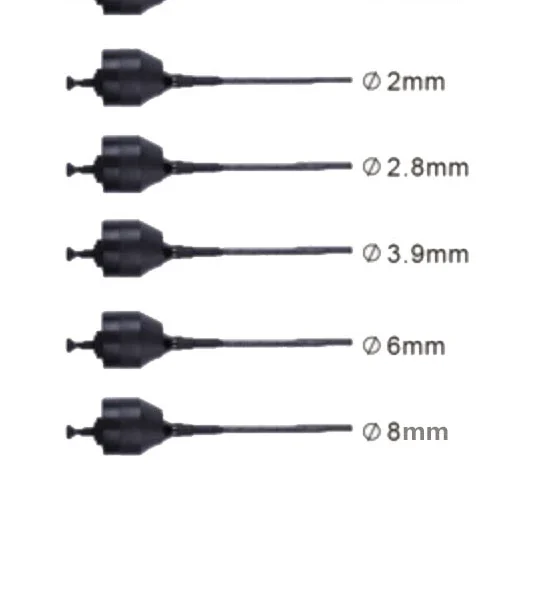
Probe Diameter: Opt for slim 4mm–6mm probes to fit through tight passages like spark plug holes.
Lens Features: For professional use, articulating lenses are recommended. Pair these with dual or triple-lens switching to eliminate blind spots.
Image Quality: Choose at least 1080P resolution to ensure fine details like hairline cracks or micro-carbon deposits are visible.
Durability: A rating of IP67 or higher (waterproof/oil-proof) and high-temperature resistance is mandatory for harsh engine bay environments.
Value Proposition
Integrating an industrial videoscope into automotive workflows delivers significant value by transforming complex inspections into fast, visual-based processes that enhance both shop profitability and customer transparency.
Efficiency & Cost Savings: Enable “no-tear-down” diagnostics, drastically cutting troubleshooting time and reducing repair bills for owners.
Precision Diagnostics: High-res visuals capture hidden issues like cylinder scoring or tiny cracks that the naked eye would miss, preventing misdiagnosis.
Building Trust: Documenting issues via photo and video provides “proof of repair,” boosting the shop’s professional image and customer confidence.
Enhanced Safety: Especially critical for identifying structural damage in used cars or electrical leakage hazards in EV batteries.
FAQ
Why is the image on my automotive borescope blurry?
Common causes include oil or debris on the lens—start by wiping it with a clean, soft cloth. If the image is washed out, try lowering the LED brightness to reduce glare from metallic surfaces. Also, ensure you are within the automotive borescope’s focal range; moving the probe slightly closer or further from the object can help find the optimal depth of field.
What if the automotive borescope probe won't fit in a tight space?
Automotive components like fuel injectors or glow plug holes are extremely narrow. In these cases, you will need an automotive borescope equipped with a professional ultra-slim probe (e.g., 3.9mm or smaller) specifically engineered for high-precision access in cramped environments.
How do I protect the insertion cable of my automotive borescope?
To ensure the longevity of your automotive borescope, avoid over-bending the cable or rubbing it against sharp metal edges within the chassis or engine bay. When not in use, store the cable in a naturally coiled or straight position to prevent internal wiring damage or “kinking.”

Automotive Borescope Featured Products
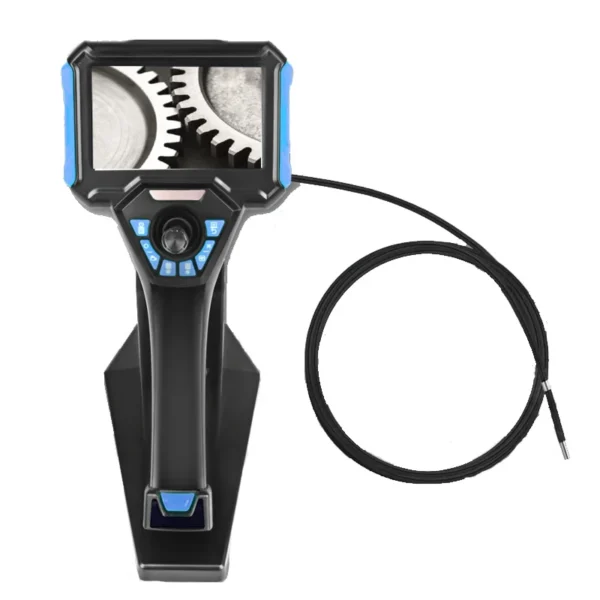
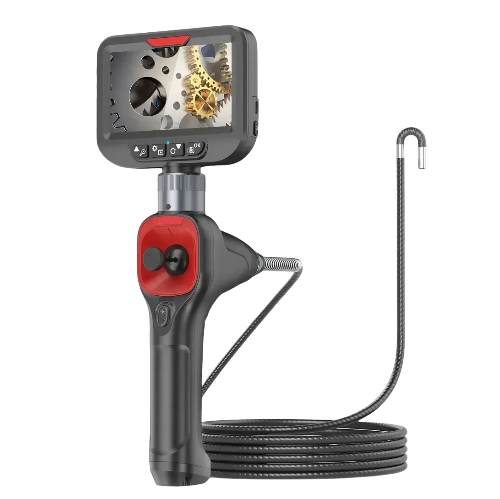
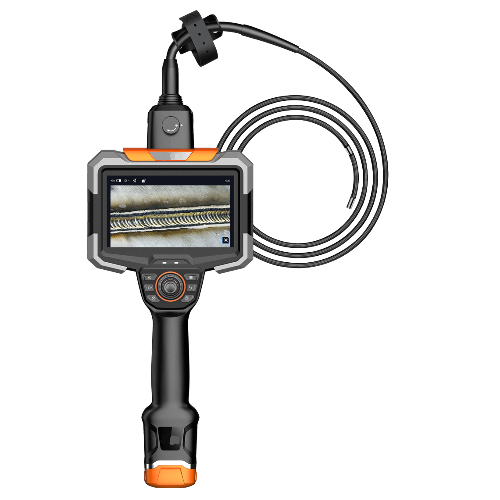
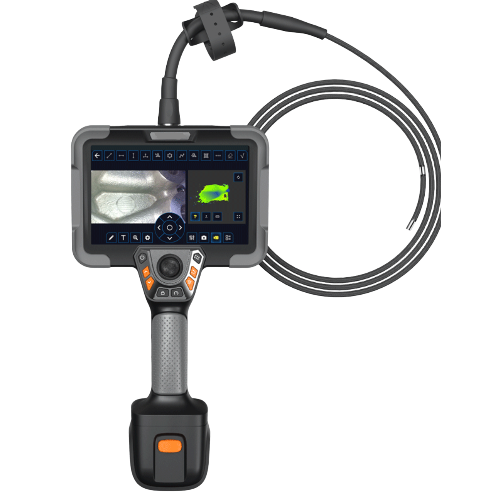
BC Series 360° Articulation 1080P HD Joystick Control 5.1” Classic Borescope
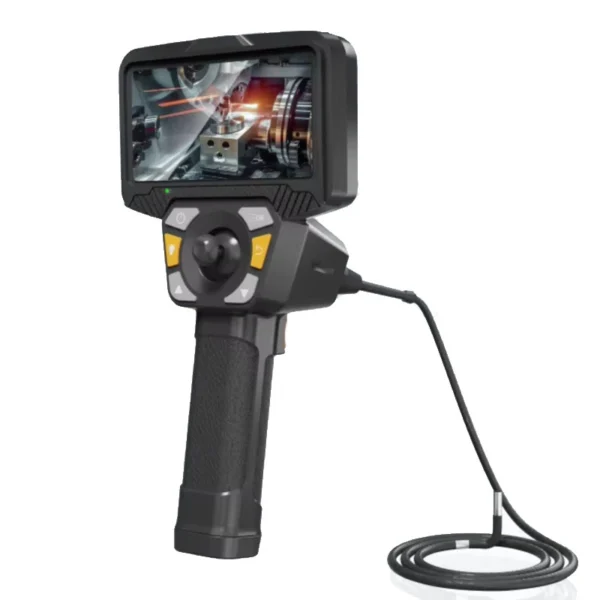
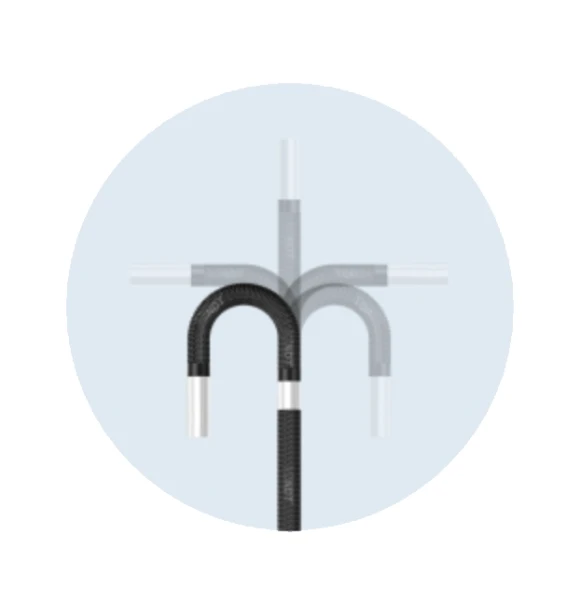
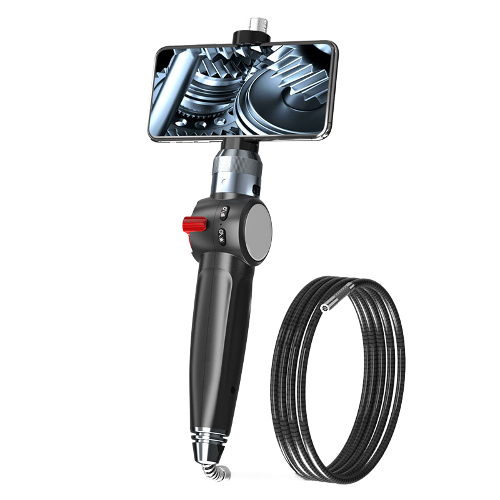
BI Series 360° Articulation 1080P HD Joystick Control 5” Intuitive Borescope
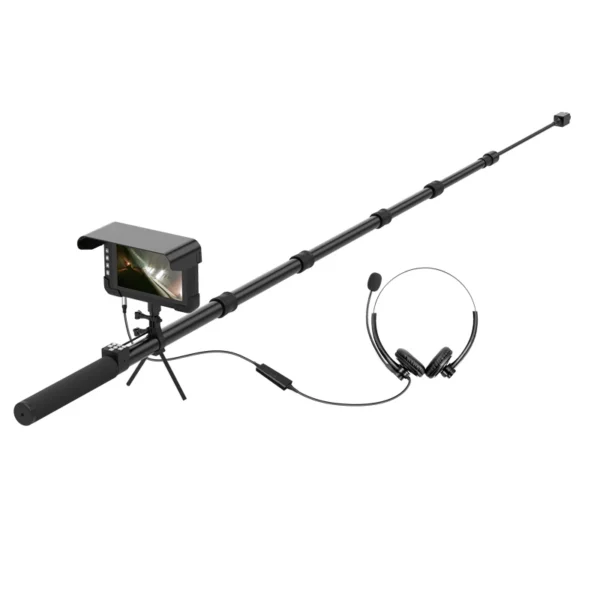
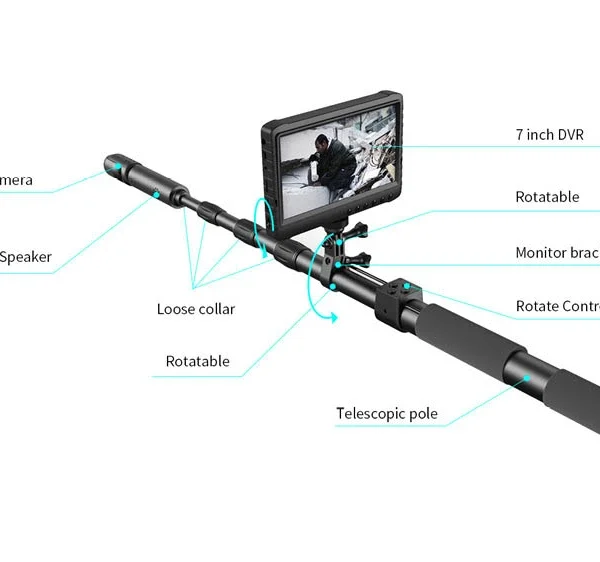
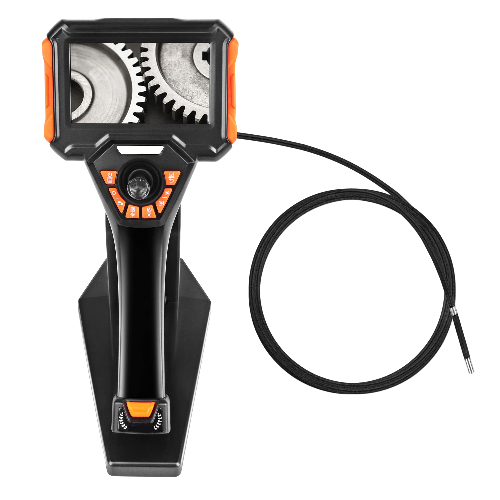
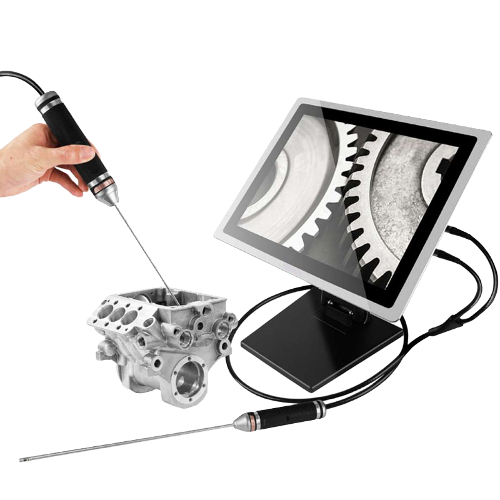
TR Series 4K 360° Motorized Audio/Video Talkback Full HD Rotary Telescopic Inspection Camera
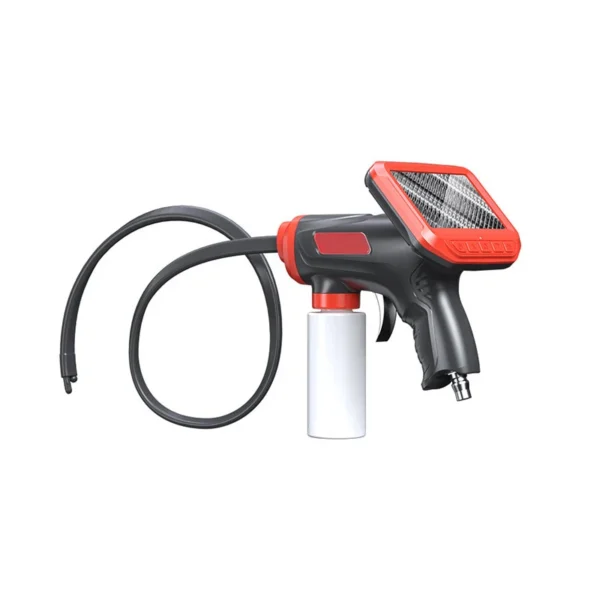
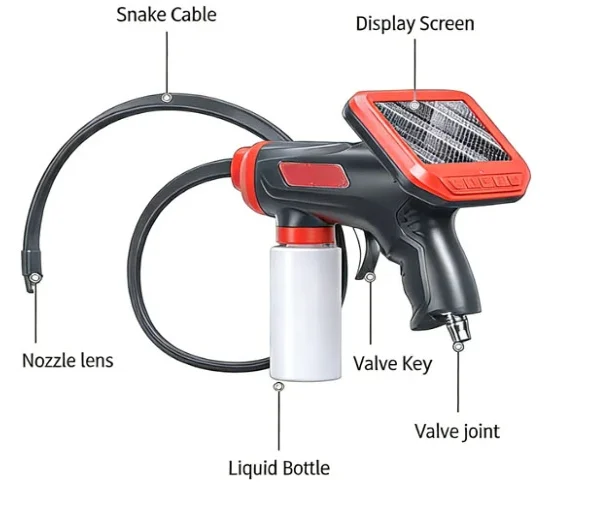
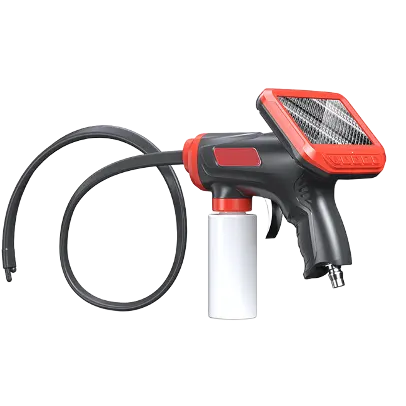
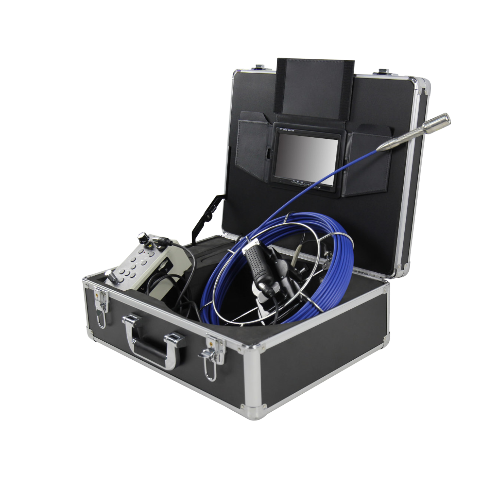
CE Series 4.3” Side-view & Side-spray Nozzle Evaporator Cleaning Borescope
Get a Quote for Automotive Endoscope
No. 255 Cheng Xing Street, Shi Jingshan, Beijing, China
www.innavi.net
www.industrial-borescope.com