
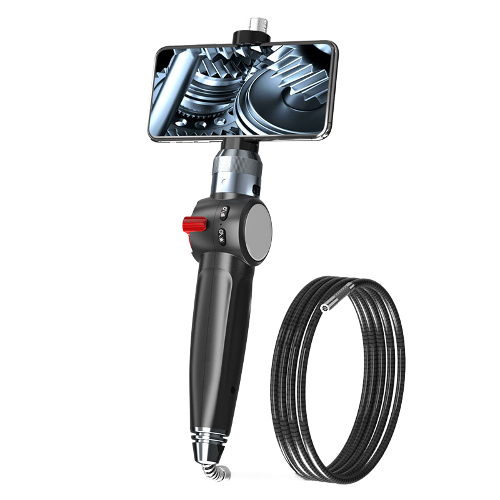
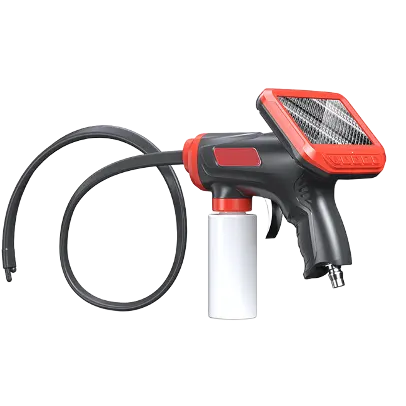
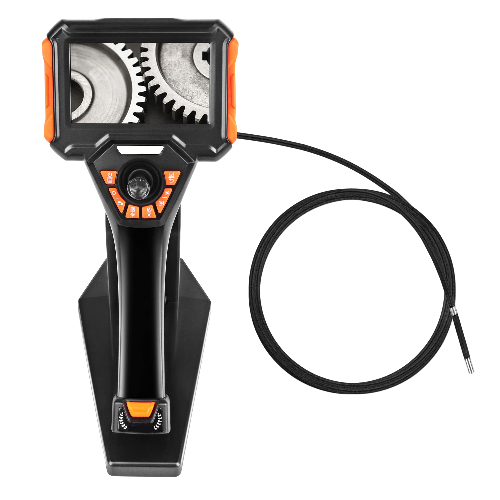
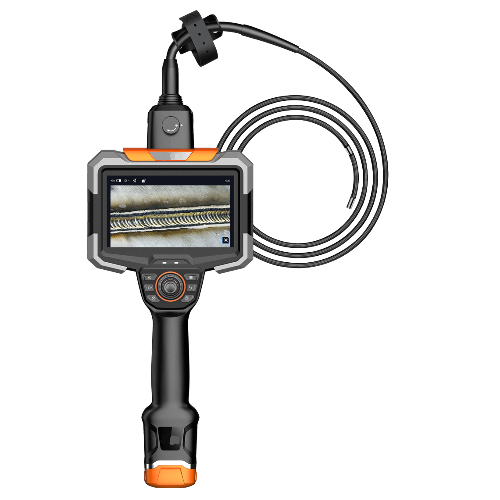
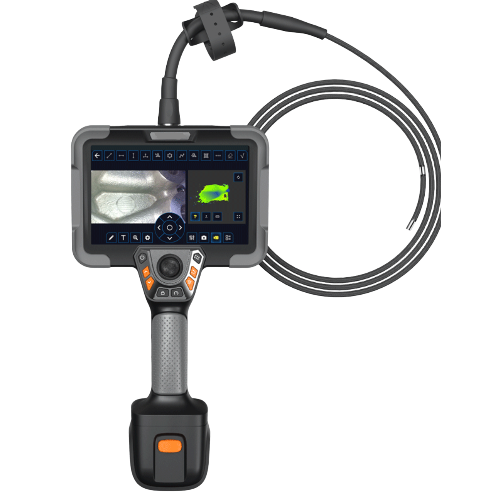
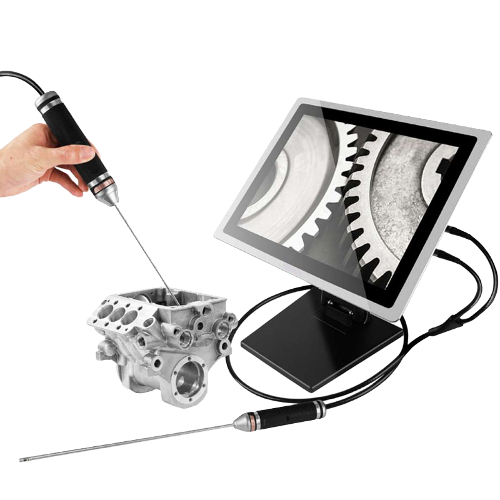
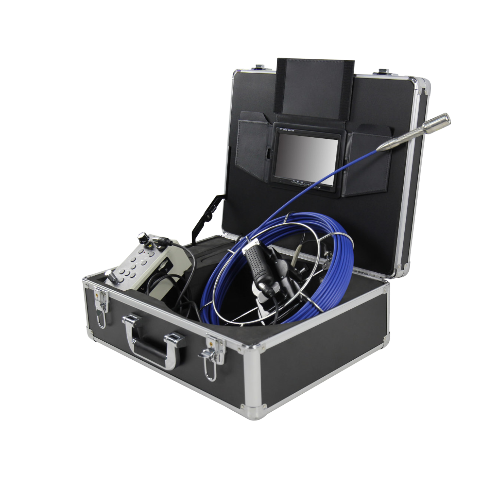
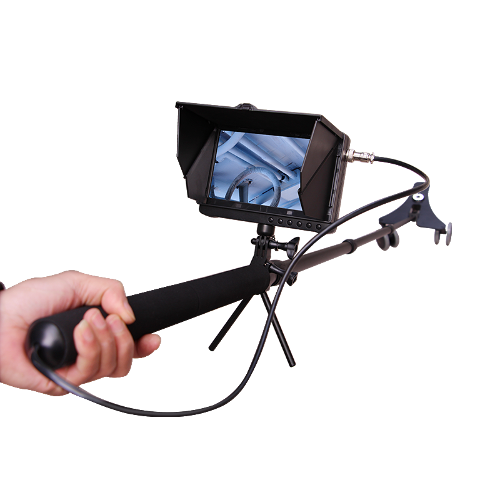
What value does an aircraft borescope bring? This article explores the core values of aircraft borescopes through four progressive dimensions: safety, efficiency, cost optimization, and technological breakthroughs.
Safety Empowerment
The aviation industry’s primary demand is “absolute safety” — and the core value of an Aircraft Borescope lies first in its role as an irreplaceable proactive safety barrier.
NDT Capabilities Eliminate Secondary Risks
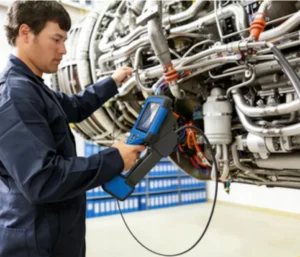
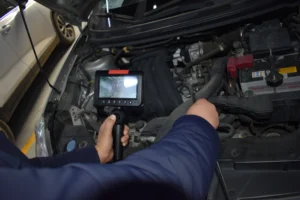
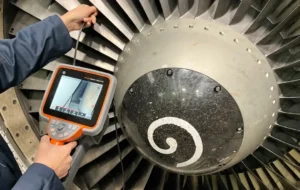
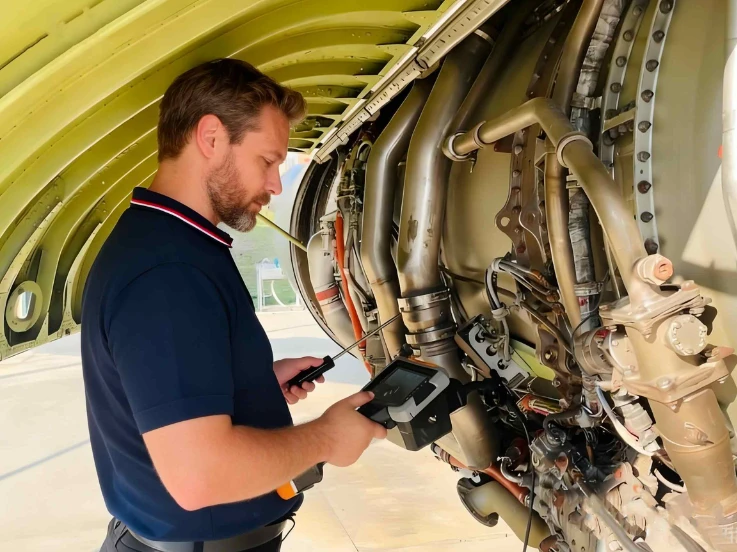
Critical components like aircraft engines, airframe structures, and landing gear are high-precision integrated systems. Traditional disassembly-based inspections can cause secondary hazards such as component wear and assembly deviations. However, Aircraft Borescopes enable non-destructive, non-disassembly inspection through narrow access points — including engine blade clearances and airframe weld pores — to accurately identify hidden defects like cracks, corrosion, and foreign object debris (FOD).
Precision Detection Reduces Fault Miss Rates
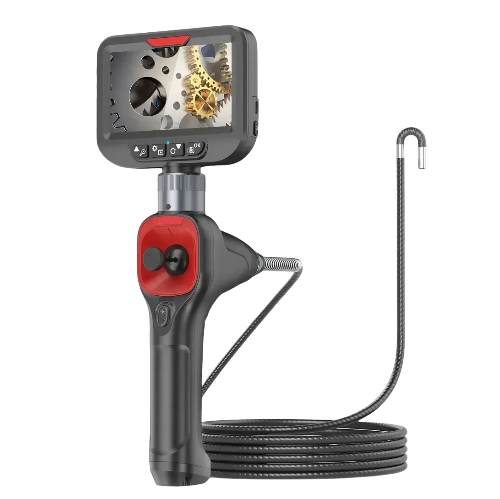
Equipped with high-definition cameras, 360° rotating probes, and image magnification technology, Aircraft Borescopes capture defects invisible to the naked eye or conventional tools. This precision directly prevents air emergencies caused by “hidden faults,” serving as a critical line of defense in aviation safety systems.
Efficiency Innovation
One of the key pain points in aviation maintenance is “long downtime and low operational efficiency.” Through technological innovation, Aircraft Borescopes have fundamentally reshaped maintenance workflows, delivering leapfrog improvements in efficiency.
Shorten Inspection Cycles & Minimize Downtime Losses
Traditional inspection of critical engine components requires airframe disassembly and engine teardown, a process that takes days or even weeks. In contrast, Aircraft Borescopes enable comprehensive inspections of key areas — including engine interiors, landing gear bays, and fuel lines — in just 1-2 hours without aircraft disassembly. For commercial airliners, for example, inspection time per aircraft has been cut from 72 hours to 2 hours, reducing downtime losses by over 97% and significantly boosting aircraft dispatch rates.
Simplify Maintenance Workflows & Reduce Labor Costs
Traditional inspections demand a multi-person team of mechanics, electronic engineers, and teardown specialists, while Aircraft Borescope operations only require 1-2 professional technicians. Equipped with imaging, video recording, and report generation capabilities, these tools enable remote expert collaboration for inspections, cutting cross-regional manpower deployment costs. Additionally, their digital storage functionality provides accurate data support for subsequent maintenance.
Cost Optimization
Aviation equipment comes with extremely high acquisition and maintenance costs (a single aircraft engine costs over $10 million, with annual maintenance expenses accounting for 15%-20% of the purchase cost). Through full-lifecycle cost control, Aircraft Borescopes deliver significant economic value for aviation companies.
Enable Predictive Maintenance (PdM)
Replace the traditional “scheduled mandatory replacement” model. Based on actual inspection results from the borescope — such as crack length and corrosion depth — accurately assess the remaining service life of components and develop scientific maintenance plans. This avoids over-maintenance while preventing “operation with undetected faults.”
Extend Component Service Life & Reduce Replacement Costs
With precise detection and early defect alerts, Aircraft Borescopes help maintenance teams identify potential component issues in a timely manner. Targeted maintenance actions (e.g., crack repair, corrosion removal) can be taken to prevent defect progression that leads to premature component failure. These tools have become a core solution for cost reduction and efficiency improvement in the aviation industry.
Technological Breakthroughs
The technological evolution of Aircraft Borescopes not only meets existing inspection needs but also drives technological innovation in aviation equipment design, manufacturing, and maintenance — unlocking deep-seated value beyond a mere “inspection tool.”
Integrated Design Enablement
Supports the development of lightweight, highly integrated aviation equipment. Traditional aircraft design required reserving large disassembly spaces for inspection accessibility. However, the miniature probes and flexible steering capabilities of Aircraft Borescopes allow engineers to adopt more compact structural designs, reducing equipment weight (e.g., fighter jet airframe weight can be cut by 5%-8%) and enhancing flight performance.
Precision in Manufacturing
Guarantees precision manufacturing quality and boosts product reliability. Critical aviation components (such as engine turbine blades and aerospace bearings) demand micron-level manufacturing precision. Aircraft Borescopes enable real-time inspections of internal channels, weld quality, and material density during production. Equipped with 3D measurement capabilities, they provide accurate length, width, and depth measurements — delivering quantitative data support for engineering decisions. This raises product qualification rates to over 99.5%, advancing the aerospace industry toward “zero-defect” manufacturing.
Data-Driven Maintenance Transformation
Leads the shift toward data-driven maintenance. Through the Aircraft Borescope’s closed-loop system of “inspection – analysis – repair – feedback,” aircraft maintenance is transformed from “reactive repair” to “predictive maintenance (PdM)” — laying a technical foundation for efficient aviation operations.
Across the four key dimensions of safety, efficiency, cost, and technology, the value of Aircraft Borescopes is clear: They are no longer just diagnostic tools, but strategic essential tools deeply integrated into aviation operations and safety systems.